Với hơn 10 năm kinh nghiệm về vận chuyển khí nén, Headpowder Sơn Đông cung cấp hệ thống, thiết bị và quạt gió toàn chuỗi, đảm nhận các dự án kỹ thuật bột trọn gói trên toàn quốc.
When it comes to the efficient and reliable transportation of high-alumina fly ash, selecting the right method is crucial for industrial operations. High-alumina fly ash, a byproduct of coal combustion, is widely used in construction and manufacturing due to its unique properties. However, its handling and transport require specialized approaches to ensure safety, efficiency, and compliance with environmental standards. This article explores the primary methods used for transporting high-alumina fly ash, highlighting the advantages and considerations of each approach.
1. Pneumatic Conveying Systems
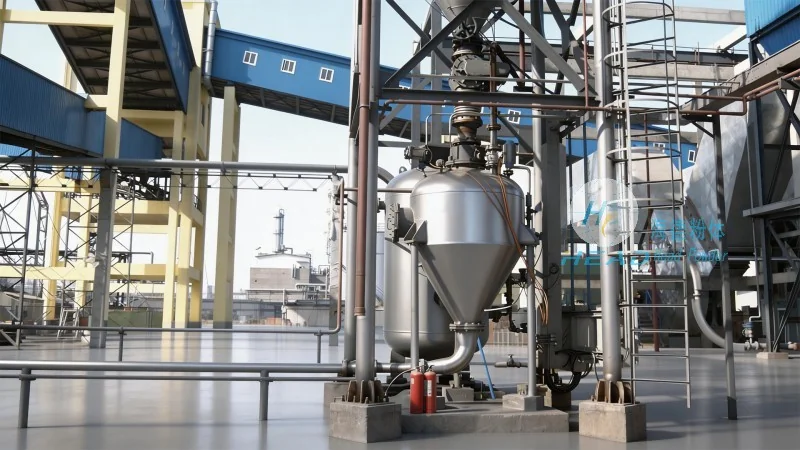
One of the most common methods for transporting high-alumina fly ash is through pneumatic conveying systems. This technology uses air pressure to move the material through a pipeline. There are two main types: positive displacement and pressure-assisted systems. Positive displacement systems, such as rotary lobe or rotary screw pumps, create a vacuum or pressure to push the ash forward. Pressure-assisted systems, on the other hand, use compressed air to propel the material. The choice between these depends on the distance, material characteristics, and required flow rate. For high-alumina fly ash, which can be abrasive, selecting materials like stainless steel or special alloys for the pipeline and components is essential to prevent wear and ensure longevity. Pneumatic conveying offers advantages like continuous operation, minimal labor, and the ability to transport materials over long distances without the need for intermediate storage.
2. Hydraulic Conveying
Another method is hydraulic conveying, which uses water or a slurry to transport the high-alumina fly ash. This approach is particularly suitable for materials that are difficult to handle dry, as the slurry helps to reduce friction and prevent clogging. The process involves mixing the fly ash with water to create a slurry, which is then pumped through pipelines using centrifugal pumps. Hydraulic conveying systems are often used in applications where the ash needs to be transported over long distances or through complex networks. However, they require additional equipment for slurry preparation and dewatering, which can increase operational costs. The key advantage of hydraulic conveying is its ability to handle high volumes of material with relatively low energy consumption compared to pneumatic systems. It is also effective for transporting ash with high moisture content or in areas where air pollution control is a concern.
3. Mechanical Conveying
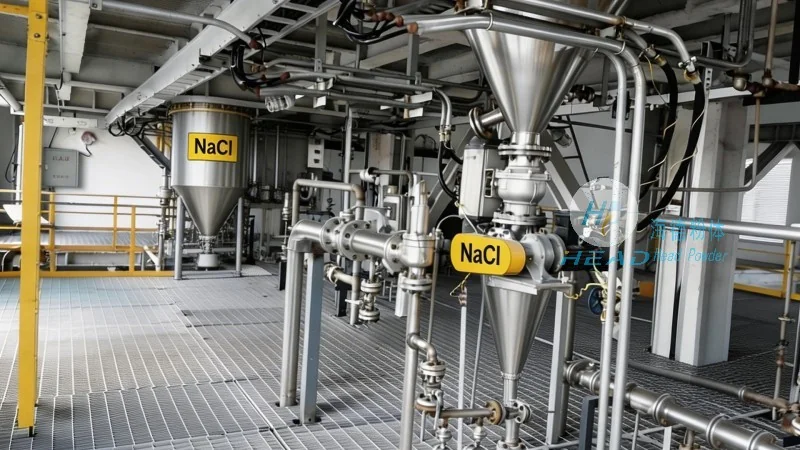
Mechanical conveying methods, such as belt conveyors or screw conveyors, are widely used for transporting high-alumina fly ash in industrial settings. Belt conveyors are ideal for horizontal or slightly inclined transport, while screw conveyors are suitable for vertical or inclined applications. These systems rely on mechanical components to move the material along a path. For high-alumina fly ash, which can be abrasive, the conveyor components must be made of durable materials like rubber or special metals to withstand wear. Mechanical conveyors are often used in combination with other systems, such as pneumatic or hydraulic, to create a comprehensive transport solution. They offer the advantage of being able to handle large quantities of material and are relatively simple to install and maintain. However, they may not be as efficient for long-distance transport as pneumatic or hydraulic systems and can be more prone to material buildup and clogging.
4. Pipeline Transport
Pipeline transport is a mature and widely adopted method for the long-distance movement of high-alumina fly ash. This method involves transporting the material through a network of pipelines, often in a slurry form. The pipelines are typically made of steel or other corrosion-resistant materials to withstand the abrasive nature of the ash. Pipeline transport offers several benefits, including high capacity, low energy consumption, and minimal environmental impact compared to truck transport. It is particularly effective for transporting ash from power plants to processing facilities or disposal sites over long distances. The system can be designed to handle varying flow rates and can be integrated with other industrial processes. However, pipeline transport requires significant upfront investment in infrastructure and maintenance. It also needs regular inspection and maintenance to prevent leaks and ensure the integrity of the pipeline.
5. Considerations for Choosing the Right Method
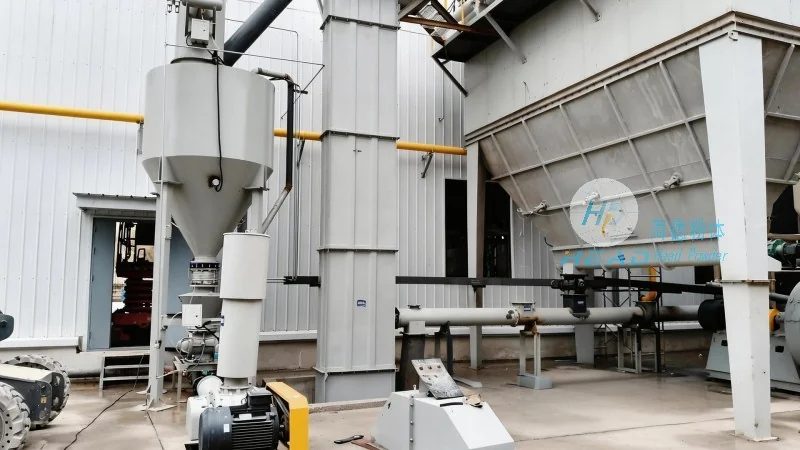
When selecting a transportation method for high-alumina fly ash, several factors must be considered. The first is the distance and layout of the transport route. Short distances may be suitable for mechanical conveyors, while long distances may require pneumatic or hydraulic systems. The second is the material characteristics, including particle size, moisture content, and abrasiveness. High-alumina fly ash can be abrasive, so the choice of materials for the transport system is critical to prevent wear and extend the lifespan of equipment. The third is the required flow rate and capacity. Different applications may need different volumes of ash, which influences the type of system selected. Environmental regulations and local regulations also play a role, as some methods may have stricter emission controls. Finally, the cost of the system, including installation, operation, and maintenance, must be considered. Each method has its own cost structure, and the total cost of ownership should be evaluated over the system's lifespan.
Conclusion
Transporting high-alumina fly ash efficiently and safely requires careful consideration of the available methods and their specific advantages. Pneumatic conveying, hydraulic conveying, mechanical conveying, and pipeline transport each offer unique benefits and considerations. The choice of method depends on factors such as distance, material properties, flow rate, and cost. By selecting the appropriate system, industrial operations can ensure the reliable and sustainable transport of high-alumina fly ash, supporting their production processes while adhering to environmental standards. Shandong HeadPowder Engineering Co., Ltd., a leading provider in this field, offers expertise and solutions tailored to the specific needs of clients, helping them optimize their high-alumina fly ash transportation systems.

 Shandong Headpowder Engineering Co., Ltd.
 156-6277-7102(Quản lý Trương)
  0531-83386006
  Thành phố Tế Nam, Tỉnh Sơn Đông, Trung Quốc
Điện thoại
WeChatTư vấn
Lên đầu