Với hơn 10 năm kinh nghiệm về vận chuyển khí nén, Headpowder Sơn Đông cung cấp hệ thống, thiết bị và quạt gió toàn chuỗi, đảm nhận các dự án kỹ thuật bột trọn gói trên toàn quốc.
When it comes to the efficient and safe transportation of food products within industrial settings, selecting the right conveying method is crucial. Various options are available, each with its own set of advantages and considerations. This article provides an overview of common food conveying methods, focusing on their applications, benefits, and how they contribute to maintaining hygiene and operational efficiency in food processing environments.
Understanding the Basics of Food Conveying Systems
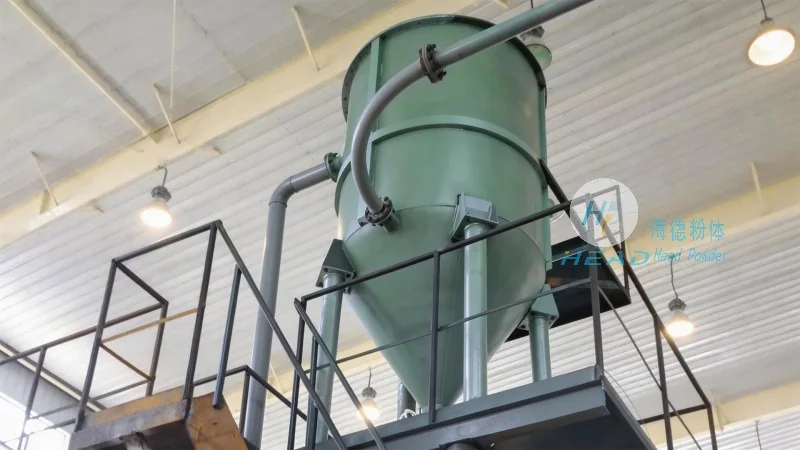
Food conveying systems are designed to move products from one stage of processing to another without compromising quality or safety. The choice of method depends on several factors, including the type of product (e.g., powders, liquids, solids), the production volume, and the required level of hygiene. Key considerations include material compatibility, ease of cleaning, and the ability to maintain product integrity throughout the process.
Common Food Conveying Methods Explained
Several standard methods are widely used in the food industry. These include belt conveyors, screw conveyors, pneumatic conveyors, and bucket elevators. Each method is suited to different product characteristics and operational needs.
Belt Conveyors for General Product Handling
Belt conveyors are versatile and commonly used for transporting a wide range of food products, from bulk items to packaged goods. They consist of a continuous belt that moves over rollers or pulleys, allowing products to be moved horizontally or at slight inclines. The design can be customized to handle different product sizes and shapes, making them suitable for various stages of food processing, such as raw material intake, packaging, and distribution.
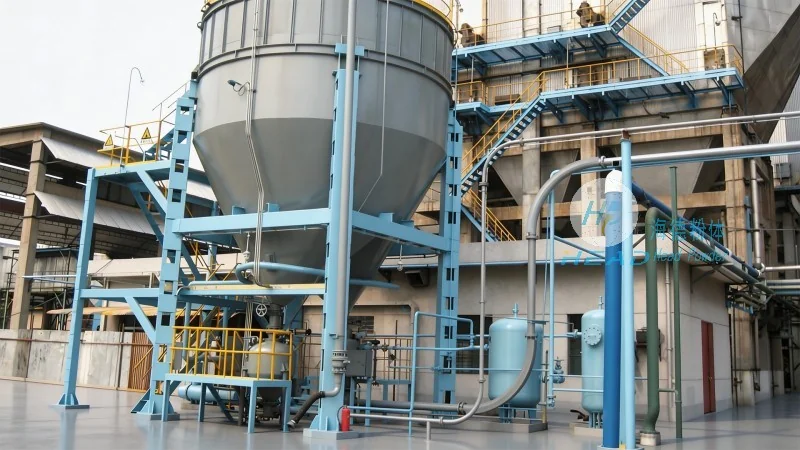
Screw Conveyors for Powder and Granule Transport
Screw conveyors, also known as auger conveyors, are ideal for transporting powders, granules, and other free-flowing materials. They operate by rotating a screw within a tube, which pushes the material forward. This method is particularly effective for materials that are prone to clogging or require gentle handling. Screw conveyors are often used in applications like flour processing, sugar handling, and the transport of spices or other dry ingredients.
Pneumatic Conveying Systems for Bulk Materials
Pneumatic conveying systems use air or other gases to transport bulk materials through a pipeline. This method is highly efficient for moving powders and granules over long distances or between different processing areas. It offers advantages such as minimal product contact with equipment, reduced risk of contamination, and the ability to handle materials that are difficult to convey with mechanical systems. Pneumatic conveyors are commonly used in the food industry for transporting flour, sugar, and other dry ingredients.
Bucket Elevators for Vertical Transport
Bucket elevators are specialized equipment designed for vertical transport of bulk materials. They consist of a vertical or inclined conveyor with a series of buckets attached to a chain or belt. As the conveyor rotates, the buckets scoop up material from a lower level and discharge it at a higher level. This method is particularly useful for moving materials between different floors or processing stages, ensuring a continuous and efficient flow of products.
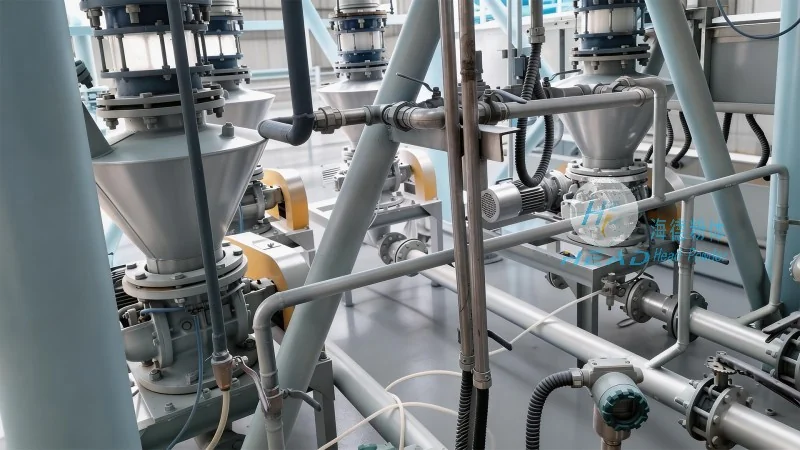
Choosing the Right Conveying Method for Your Food Processing Needs
When selecting a food conveying method, it is essential to consider the specific requirements of your operation. Factors such as product type, production volume, and the need for hygiene and sanitation should guide your decision. For example, if you are handling dry powders, a screw or pneumatic conveyor might be more suitable due to their ability to minimize product degradation and maintain cleanliness. Conversely, if you need to transport packaged goods or larger items, a belt conveyor may be the better choice.
Ensuring Compliance and Efficiency with Professional Solutions
Implementing an effective food conveying system requires expertise and adherence to industry standards. Companies like Shandong HeadPowder Engineering Co., Ltd., a leading provider in the field, offer comprehensive solutions tailored to the unique needs of food processing facilities. With a focus on quality, hygiene, and operational efficiency, their products and services help ensure that food products are transported safely and efficiently throughout the production process.
By understanding the different food conveying methods and their applications, food processing companies can make informed decisions that enhance productivity, maintain product quality, and comply with regulatory requirements. Whether you need to transport powders, granules, or packaged goods, the right conveying system can significantly impact the overall success of your operations.

 Shandong Headpowder Engineering Co., Ltd.
 156-6277-7102(Quản lý Trương)
  0531-83386006
  Thành phố Tế Nam, Tỉnh Sơn Đông, Trung Quốc
Điện thoại
WeChatTư vấn
Lên đầu