Với hơn 10 năm kinh nghiệm về vận chuyển khí nén, Headpowder Sơn Đông cung cấp hệ thống, thiết bị và quạt gió toàn chuỗi, đảm nhận các dự án kỹ thuật bột trọn gói trên toàn quốc.
Sediment transport is a critical process in various industrial and environmental applications, such as construction, mining, and water management. Efficiently moving sediment from one location to another requires specialized equipment and methods tailored to the specific characteristics of the material and the operational conditions. Understanding the common methods for sediment transport is essential for selecting the right technology and ensuring optimal performance in projects.
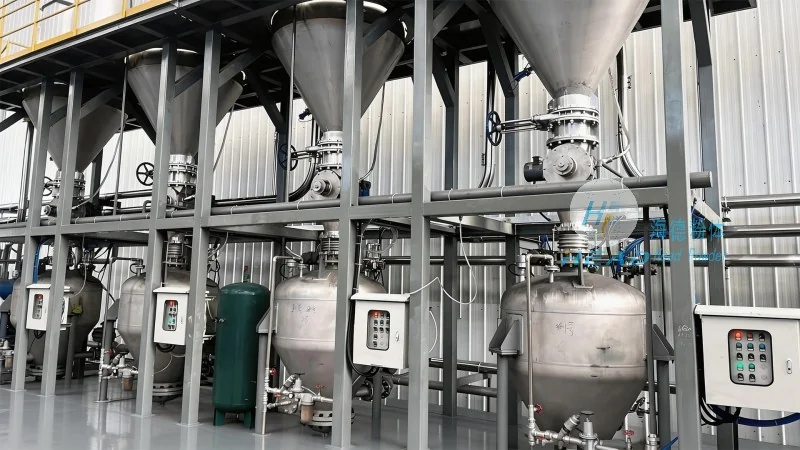
1. Gravity-Based Sediment Transport
Gravity-based transport relies on the natural force of gravity to move sediment. This method is often used when the terrain is suitable, with a slope that allows the material to flow down a channel or trough. The primary equipment for gravity transport includes open channels, flumes, and chutes. These structures are designed to minimize friction and maintain a consistent flow rate. For example, in mining operations, gravity chutes are used to transport crushed ore or tailings from one level to another, reducing the need for mechanical energy. The effectiveness of gravity transport depends on the slope gradient, the size and density of the sediment particles, and the presence of water, which can affect the flow characteristics.
2. Pumping Systems for Sediment Transport
Pumping systems are widely used for sediment transport, especially in applications where gravity is insufficient or where the material needs to be moved over long distances or against an elevation change. These systems typically consist of high-capacity pumps, such as slurry pumps or centrifugal pumps, connected to a pipeline network. The choice of pump type depends on the specific properties of the sediment, including particle size, concentration, and abrasiveness. For instance, in dredging operations, slurry pumps are used to lift and transport sediment from the bottom of water bodies to disposal sites or processing facilities. The pump's design, including the impeller and casing, is optimized to handle abrasive particles and high solids concentrations without excessive wear. In addition to the pump itself, accessories like valves, fittings, and hoses are crucial for controlling the flow and pressure within the system.
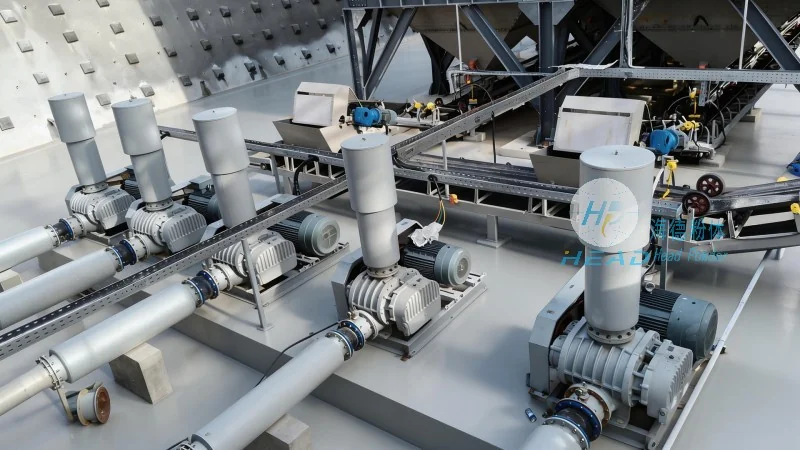
3. Pipeline Transport of Sediment
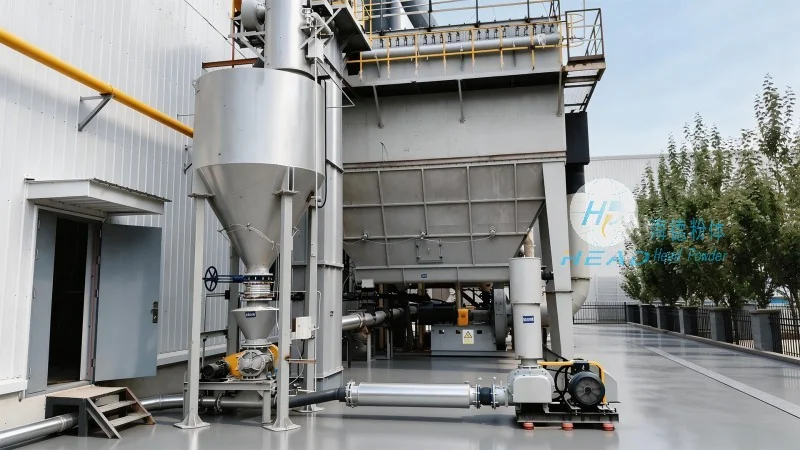
Pipeline transport is a versatile method for moving sediment over long distances, offering advantages such as enclosed systems that prevent contamination and reduce environmental impact. This method is commonly used in water treatment plants, where sediment is transported from settling basins to disposal areas or in industrial facilities where waste sludge needs to be moved to treatment or disposal sites. The pipeline system typically includes a series of pipes with appropriate diameters and materials, such as steel or PVC, to withstand the pressure and abrasion from the sediment. The flow is often controlled by pumps or gravity, depending on the layout of the system. For example, in municipal wastewater treatment, pipelines transport sludge from primary and secondary treatment units to sludge dewatering facilities. The efficiency of pipeline transport is enhanced by maintaining proper pipe slopes and using appropriate flow control devices to prevent clogging and ensure consistent flow rates.
4. Mechanical Conveyors for Sediment Handling
Mechanical conveyors, such as belt conveyors or screw conveyors, are used for transporting sediment in bulk, particularly in applications where the material is dry or has a relatively uniform particle size. Belt conveyors are commonly used in mining and construction sites to move sand, gravel, or other granular materials from stockpiles to processing equipment or storage areas. The conveyor system consists of a continuous belt supported by rollers, with a drive mechanism that pulls the belt and moves the material along its length. Screw conveyors, also known as augers, are used for transporting materials in a vertical or inclined direction, making them suitable for applications where elevation changes are required. These conveyors are particularly effective for handling fine-grained materials like silt or clay, as the screw's rotation pushes the material forward. The choice between belt and screw conveyors depends on factors such as the material's abrasiveness, the required capacity, and the space available for installation.

 Shandong Headpowder Engineering Co., Ltd.
 156-6277-7102(Quản lý Trương)
  0531-83386006
  Thành phố Tế Nam, Tỉnh Sơn Đông, Trung Quốc
Điện thoại
WeChatTư vấn
Lên đầu