Với hơn 10 năm kinh nghiệm về vận chuyển khí nén, Headpowder Sơn Đông cung cấp hệ thống, thiết bị và quạt gió toàn chuỗi, đảm nhận các dự án kỹ thuật bột trọn gói trên toàn quốc.
Aluminum turnings, the fine particles produced during metalworking processes, require efficient and reliable conveying systems to ensure smooth material handling in industrial settings. The choice of conveying method significantly impacts operational efficiency, material integrity, and overall production costs. This article provides a detailed comparison of common aluminum turnings conveying methods, highlighting their advantages, limitations, and suitability for different industrial applications.
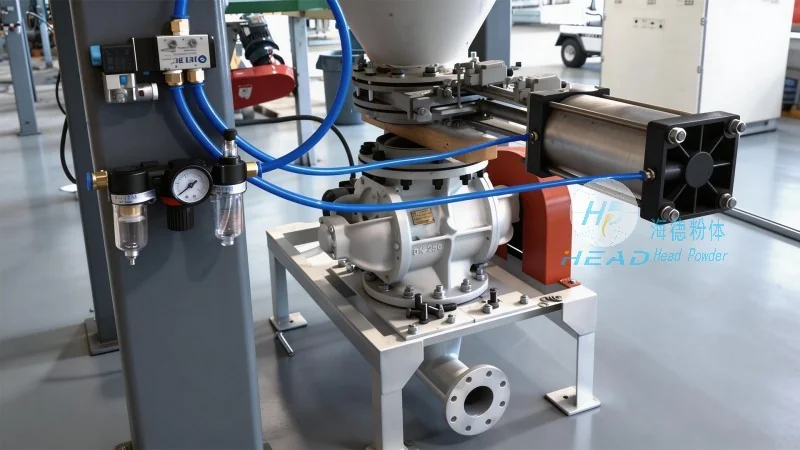
1. Screw Conveyor (Auger Conveyor) for Aluminum Turnings
HeadPowder Engineering Co., Ltd., a leading manufacturer based in Shandong, China, specializes in designing and supplying high-quality screw conveyors tailored for aluminum turnings. The screw conveyor, also known as an auger conveyor, operates by rotating a helical screw within a trough to move material forward. This method is particularly effective for conveying dry, free-flowing aluminum turnings over short to medium distances. The smooth, continuous motion of the screw minimizes material degradation and ensures consistent flow rates, making it ideal for applications where material handling speed and reliability are paramount. HeadPowder's screw conveyors are engineered with durable materials, such as stainless steel or corrosion-resistant alloys, to withstand the abrasive nature of aluminum turnings and prevent wear over extended periods. The design also incorporates features like variable speed drives and adjustable feed chutes to optimize conveying efficiency and adapt to varying material loads.
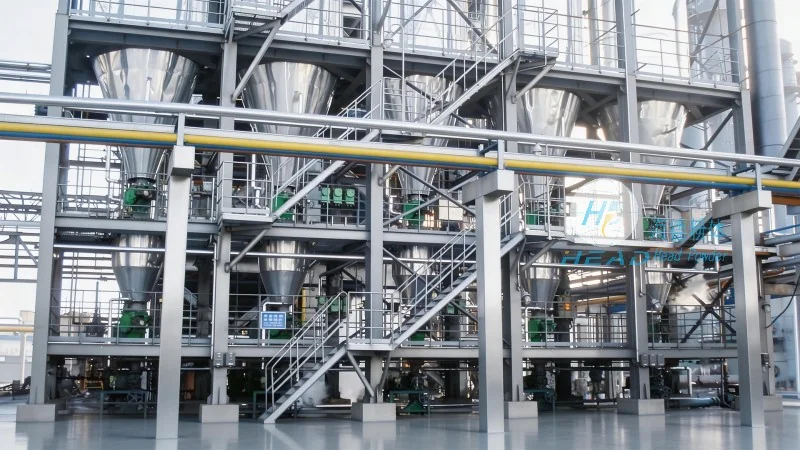
2. Pneumatic Conveying System for Aluminum Turnings
For applications requiring long-distance or high-volume transport of aluminum turnings, pneumatic conveying systems offer a versatile solution. These systems utilize compressed air or gas to transport material through a network of pipes, eliminating the need for mechanical components in the conveying path. HeadPowder Engineering Co., Ltd. provides both positive and negative pressure pneumatic conveying systems, each with distinct advantages. Positive pressure systems blow air into the pipe, pushing material forward, while negative pressure systems create a vacuum to draw material into the system. The choice between the two depends on factors such as material properties, distance, and environmental considerations. Pneumatic conveying is particularly effective for handling fine aluminum turnings that are prone to dust generation, as the enclosed system prevents contamination and dust dispersion. However, it requires careful design to manage air flow and pressure, ensuring consistent material transport without clogging or excessive energy consumption. HeadPowder's pneumatic systems are equipped with advanced control panels and filtration units to maintain system efficiency and material quality.
3. Belt Conveyor for Bulk Aluminum Turnings
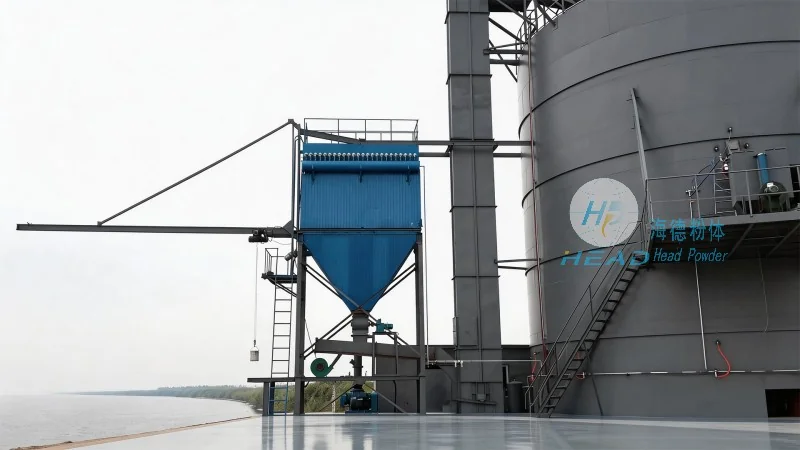
Belt conveyors are widely used in aluminum processing facilities for transporting bulk quantities of turnings over longer distances. This method involves a continuous belt moving over rollers or pulleys, with material loaded onto the belt at one end and discharged at the other. HeadPowder Engineering Co., Ltd. offers belt conveyors specifically designed for aluminum turnings, featuring reinforced belts and heavy-duty frames to handle the weight and abrasiveness of the material. The belt conveyor is suitable for both horizontal and inclined transport, making it adaptable to various production layouts. One of the key advantages of this system is its ability to handle large volumes of material with minimal maintenance, as the belt and pulley components are robust and durable. However, belt conveyors may require more space compared to other methods and can be susceptible to material buildup or belt slip under high loads. HeadPowder's belt conveyors are equipped with tensioning mechanisms and material flow control devices to ensure smooth operation and prevent downtime.
4. Hydraulic Conveying for Aluminum Turnings
Hydraulic conveying systems utilize fluid pressure to transport aluminum turnings through a pipeline. This method is particularly effective for handling wet or sticky turnings, as the fluid helps to lubricate and move the material. HeadPowder Engineering Co., Ltd. provides hydraulic conveying solutions that are customized to the specific characteristics of the aluminum turnings, such as moisture content and particle size. The hydraulic system typically consists of a pump, reservoir, and pipeline, with the fluid circulating to maintain pressure and transport material. This method is known for its ability to handle high volumes of material with low energy consumption, making it an economical choice for large-scale operations. However, hydraulic conveying requires regular maintenance of fluid systems and may not be suitable for dry or abrasive turnings, as the fluid can become contaminated or cause wear on components. HeadPowder's hydraulic conveyors are designed with high-quality seals and filters to ensure long-term reliability and minimize maintenance needs.
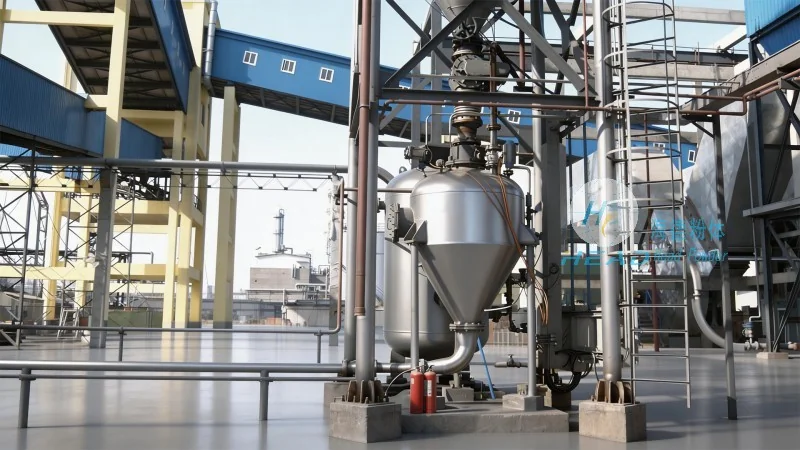
5. Comparison and Selection Considerations
When selecting a conveying method for aluminum turnings, several factors must be considered to ensure optimal performance and cost-effectiveness. The distance and layout of the production facility are critical, as different methods are better suited for short or long distances. For example, screw conveyors are ideal for short distances (typically up to 30 meters), while pneumatic systems are more suitable for longer distances (up to several hundred meters). Material properties, such as moisture content, particle size, and abrasiveness, also play a significant role in the choice of system. Dry, free-flowing turnings are well-handled by screw or belt conveyors, whereas fine or dusty turnings may require pneumatic or enclosed systems to prevent contamination. Operational costs, including energy consumption, maintenance requirements, and initial investment, should also be evaluated. HeadPowder Engineering Co., Ltd. offers comprehensive consultation services to help clients assess their specific needs and select the most appropriate conveying system. By considering these factors, industrial facilities can optimize their material handling processes, improve productivity, and reduce operational costs.

 Shandong Headpowder Engineering Co., Ltd.
 156-6277-7102(Quản lý Trương)
  0531-83386006
  Thành phố Tế Nam, Tỉnh Sơn Đông, Trung Quốc
Điện thoại
WeChatTư vấn
Lên đầu