Với hơn 10 năm kinh nghiệm về vận chuyển khí nén, Headpowder Sơn Đông cung cấp hệ thống, thiết bị và quạt gió toàn chuỗi, đảm nhận các dự án kỹ thuật bột trọn gói trên toàn quốc.
Shandong HeadPowder Engineering Co., Ltd., located in Shandong, China, specializes in advanced material handling solutions, particularly for fine powders like magnesium hydroxide. With a focus on efficiency and reliability, the company has developed innovative pneumatic conveying systems tailored to the unique challenges of transporting magnesium hydroxide.
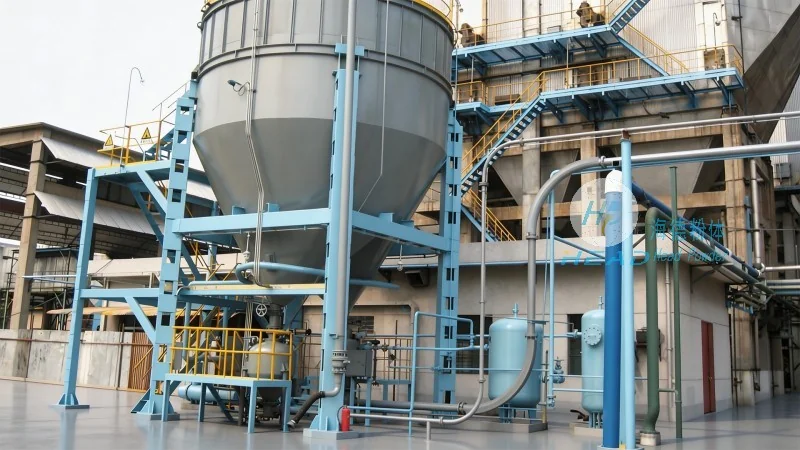
Understanding Magnesium Hydroxide: Properties and Handling Challenges
Magnesium hydroxide (Mg(OH)₂) is a common inorganic compound widely used in various industries, including pharmaceuticals, cosmetics, and industrial applications. Its fine particle size and hygroscopic nature make it challenging to handle and transport. Traditional methods often struggle with dust generation, clogging, and material loss, leading to operational inefficiencies and increased maintenance costs. This section explores common conveying methods and highlights the superior approach offered by HeadPowder's pneumatic conveying systems.
Common Conveying Methods for Magnesium Hydroxide
Several conventional methods are used to transport magnesium hydroxide, each with its own set of advantages and limitations. These include:
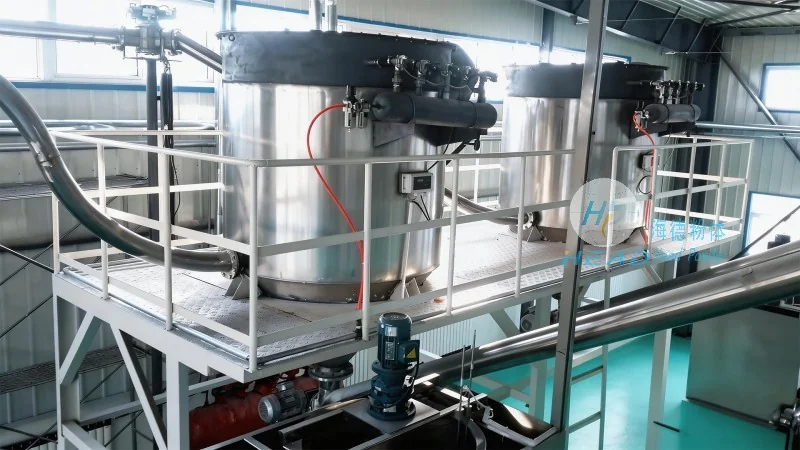
Bucket Elevators: These systems use buckets attached to a belt or chain to lift and transport material vertically. While effective for vertical transport, they are prone to material degradation and require regular maintenance to prevent clogging.
Pneumatic Conveying (Positive Pressure): This method uses compressed air to push material through a pipeline. It offers flexibility in transporting material over long distances and can handle both horizontal and vertical movement. However, it may generate significant dust and requires careful air pressure management to avoid material degradation.
Pneumatic Conveying (Negative Pressure): Also known as vacuum conveying, this method uses a vacuum to draw material into a pipeline. It is suitable for short-distance transport and can handle fine powders but may be less efficient for long distances and can lead to higher energy consumption.
Pneumatic Conveying (Combination): Some systems combine positive and negative pressure to optimize material transport. This approach aims to balance efficiency and energy use but can be complex to design and maintain.
Each of these methods has its place in material handling, but they often fall short when dealing with the specific properties of magnesium hydroxide. The challenges of dust, clogging, and material loss can significantly impact production efficiency and product quality.
Advantages of HeadPowder's Pneumatic Conveying for Magnesium Hydroxide
HeadPowder's pneumatic conveying systems are engineered specifically to address the unique challenges of magnesium hydroxide transport. The company's expertise in material handling has led to the development of advanced solutions that enhance efficiency, reduce downtime, and maintain product integrity. Key advantages include:
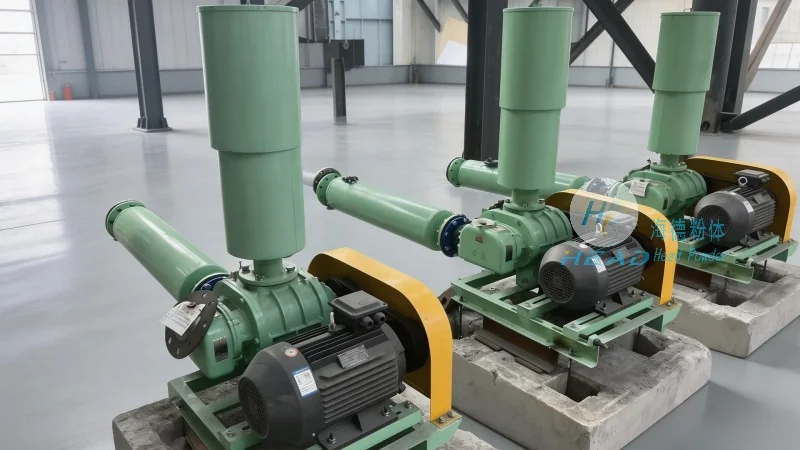
Efficient Material Transport: The system uses optimized air flow and pipeline design to ensure smooth and consistent transport of magnesium hydroxide, even over long distances. This reduces the risk of clogging and material degradation.
Low Dust Generation: Advanced filtration and sealing techniques minimize dust emissions, improving workplace safety and compliance with environmental regulations. This is particularly important for magnesium hydroxide, which can be a respiratory irritant.
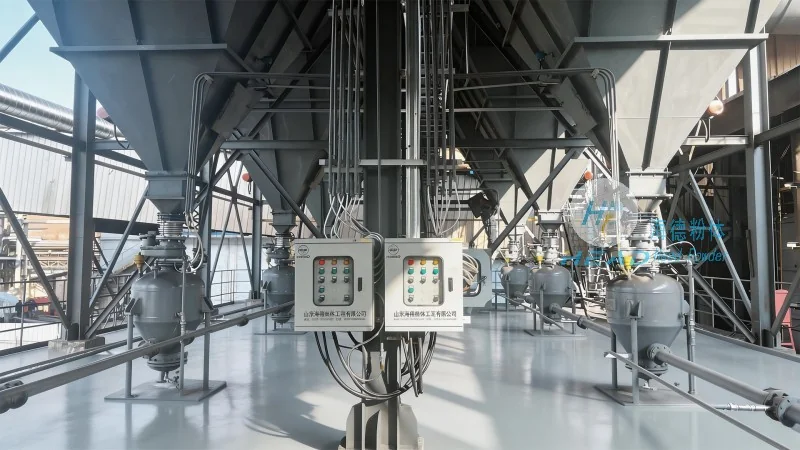
Energy Efficiency: HeadPowder's systems are designed to operate with minimal energy consumption, reducing operational costs and environmental impact. The use of variable speed drives and optimized air pressure further enhances energy efficiency.
Customizable Solutions: The company offers tailored pneumatic conveying systems that can be adapted to specific production requirements, including different material flow rates, pipeline lengths, and environmental conditions. This ensures that the system meets the exact needs of the client.
Reliability and Durability: High-quality materials and robust construction ensure long-term performance and minimal maintenance. The systems are built to withstand the abrasive nature of magnesium hydroxide, reducing the risk of wear and tear.
By leveraging these advantages, HeadPowder's pneumatic conveying systems provide a reliable and efficient solution for transporting magnesium hydroxide, helping clients achieve higher productivity and lower operational costs.
Conclusion: Choosing the Right Conveying Solution for Magnesium Hydroxide
When selecting a conveying method for magnesium hydroxide, it is essential to consider the specific properties of the material and the operational requirements of the plant. While traditional methods may offer some benefits, they often fail to address the unique challenges posed by magnesium hydroxide. HeadPowder's pneumatic conveying systems provide a superior alternative, combining efficiency, reliability, and environmental responsibility. For companies seeking to optimize their material handling processes, HeadPowder's solutions offer a proven and effective approach to transporting magnesium hydroxide with minimal issues.

 Shandong Headpowder Engineering Co., Ltd.
 156-6277-7102(Quản lý Trương)
  0531-83386006
  Thành phố Tế Nam, Tỉnh Sơn Đông, Trung Quốc
Điện thoại
WeChatTư vấn
Lên đầu