Với hơn 10 năm kinh nghiệm về vận chuyển khí nén, Headpowder Sơn Đông cung cấp hệ thống, thiết bị và quạt gió toàn chuỗi, đảm nhận các dự án kỹ thuật bột trọn gói trên toàn quốc.
When considering the design of a pneumatic conveying system for sawdust and wood flour, several key factors must be addressed to ensure optimal performance and efficiency. The process involves understanding the material's unique properties, selecting appropriate equipment, and integrating the system with existing production processes. This guide outlines the essential steps and considerations for designing a reasonable system, with a focus on practical implementation and long-term reliability.
Material Characteristics and Their Impact on System Design
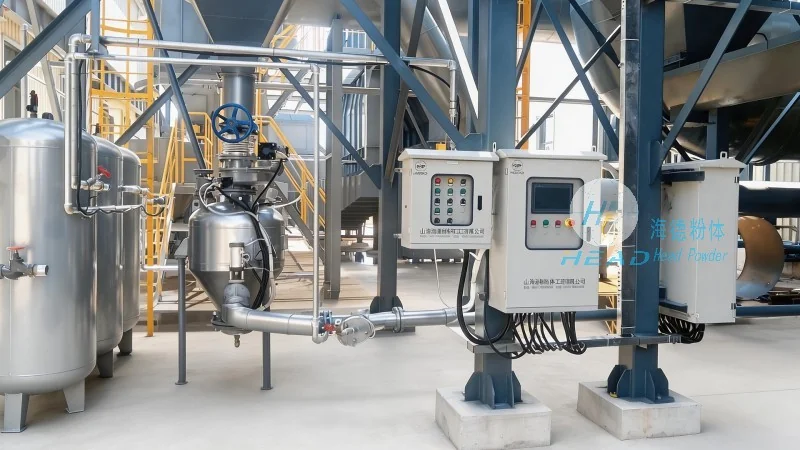
Sawdust and wood flour are characterized by low bulk density, fine particle size, and varying moisture content. These properties significantly influence the choice of pneumatic conveying method. For instance, high moisture levels can lead to clogging in the system and reduced airflow efficiency, while fine particles may require specialized filtration to prevent dust accumulation and maintain product quality. The material's flowability is also critical; some sawdust may be sticky or prone to bridging, which can affect the feeder's performance. Understanding these characteristics allows engineers to select the right equipment and system configuration to handle the material effectively.
System Pressure and Conveying Method Selection
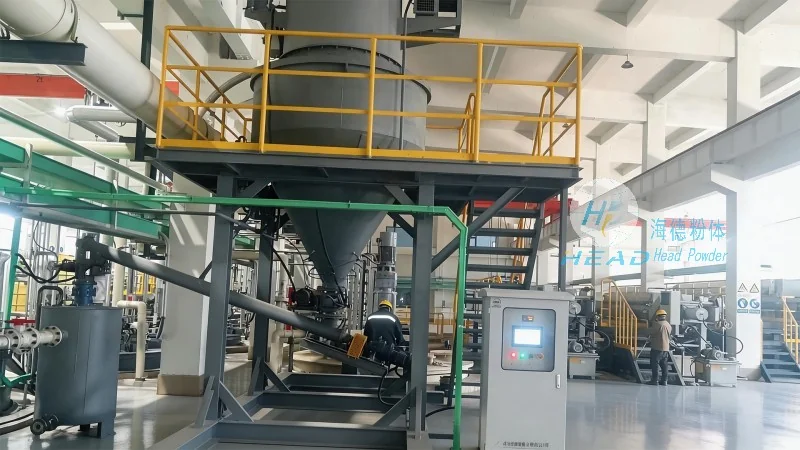
The choice between positive and negative pressure systems is a fundamental decision in pneumatic conveying design. Positive pressure systems, which use air to push material through the pipeline, are generally preferred for short to medium transport distances (typically up to 100 meters). They offer consistent airflow, lower risk of material degradation, and easier maintenance. Negative pressure systems, which use suction to draw material, are more suitable for longer distances or when the material needs to be transported from multiple sources. These systems are often more complex and require additional filtration to prevent dust from escaping into the environment. The pressure level, whether low (under 0.5 bar) or high (over 1 bar), also impacts the system's capacity and energy consumption. Higher pressure systems can handle larger volumes but may increase operational costs and wear on components.
Equipment Selection and System Configuration
HeadPowder Engineering Co., Ltd., a leading engineering firm based in Shandong, China, specializes in designing customized pneumatic conveying solutions tailored to the specific needs of clients. The company's expertise includes selecting the appropriate equipment for sawdust and wood flour handling. Common components include feeders, hoppers, airlocks, and filters. Feeders must be capable of handling the material's flow characteristics, such as low bulk density and potential stickiness, to ensure consistent feeding. Airlocks are used to separate the material from the air stream, preventing clogging and maintaining system efficiency. They are typically designed with multiple chambers to allow for continuous operation and reduce downtime. Filters are essential to capture fine particles and protect downstream equipment from damage. High-efficiency particulate air (HEPA) filters or bag filters are commonly used to ensure compliance with environmental regulations and maintain product purity.
System Integration and Process Compatibility
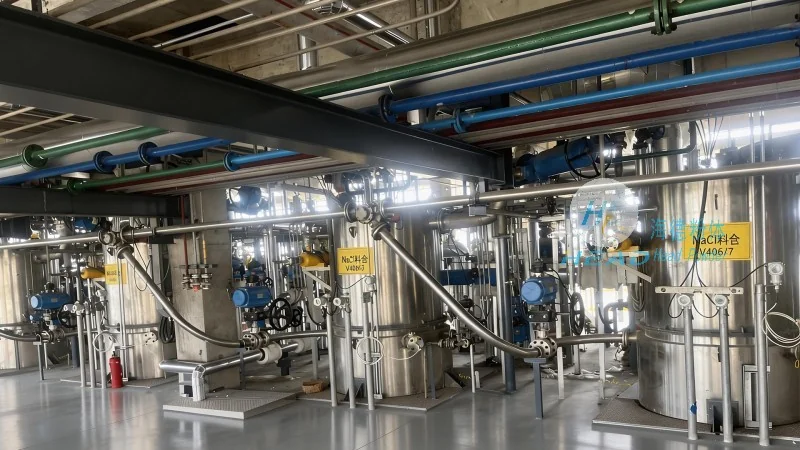
Effective integration of the pneumatic conveying system with existing production lines is crucial for seamless operation. The system must be compatible with the overall workflow, ensuring minimal disruption to other processes. For example, if the sawdust is used in a downstream manufacturing process, the conveying system should be designed to maintain the material's quality and prevent contamination. The system's control panel should allow for easy monitoring and adjustment of parameters such as pressure, flow rate, and temperature. HeadPowder's engineers work closely with clients to ensure that the system integrates smoothly with their existing infrastructure, optimizing production efficiency and reducing operational costs.
Maintenance and Long-Term Performance
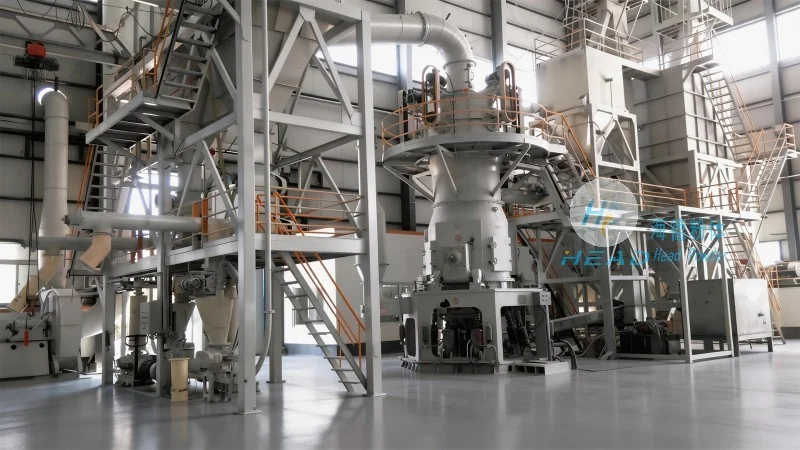
Regular maintenance is vital to maintain the performance and longevity of a pneumatic conveying system. This includes cleaning filters, checking for wear and tear on components, and monitoring pressure and flow rates. Proper maintenance can significantly reduce downtime and extend the lifespan of the system. For sawdust and wood flour systems, it is important to schedule regular filter changes and inspect airlocks for signs of clogging or wear. Additionally, the system should be equipped with sensors to detect abnormal conditions, such as high pressure or low flow, and alert operators to take corrective action. By implementing a proactive maintenance plan, companies can ensure consistent system performance and minimize the risk of unexpected failures.
Conclusion: Achieving Efficient and Reliable Material Handling
Designing a reasonable sawdust and wood flour pneumatic conveying system requires a comprehensive approach that considers material properties, operational requirements, and system integration. By selecting the appropriate equipment, pressure level, and configuration, companies can achieve efficient and cost-effective material handling. HeadPowder Engineering Co., Ltd., with its headquarters in Shandong, China, offers professional engineering services to help clients design and implement such systems, ensuring optimal performance and reliability. With the right system in place, businesses can improve productivity, reduce operational costs, and maintain product quality, ultimately enhancing their competitive edge in the market.

 Shandong Headpowder Engineering Co., Ltd.
 156-6277-7102(Quản lý Trương)
  0531-83386006
  Thành phố Tế Nam, Tỉnh Sơn Đông, Trung Quốc
Điện thoại
WeChatTư vấn
Lên đầu