Với hơn 10 năm kinh nghiệm về vận chuyển khí nén, Headpowder Sơn Đông cung cấp hệ thống, thiết bị và quạt gió toàn chuỗi, đảm nhận các dự án kỹ thuật bột trọn gói trên toàn quốc.
When it comes to the efficient handling and transportation of husk materials in industrial settings, selecting the right conveying method is crucial for optimizing operational efficiency and maintaining product quality. Husk, a byproduct of grain processing, poses unique challenges in terms of material properties and handling requirements. The choice of conveying system directly impacts the overall performance of grain processing plants, feed mills, and other industrial facilities that rely on husk management. This article provides an overview of common husk conveying methods, with a particular focus on the advantages and applications of pneumatic conveying systems.
Understanding Husk and Its Conveying Challenges
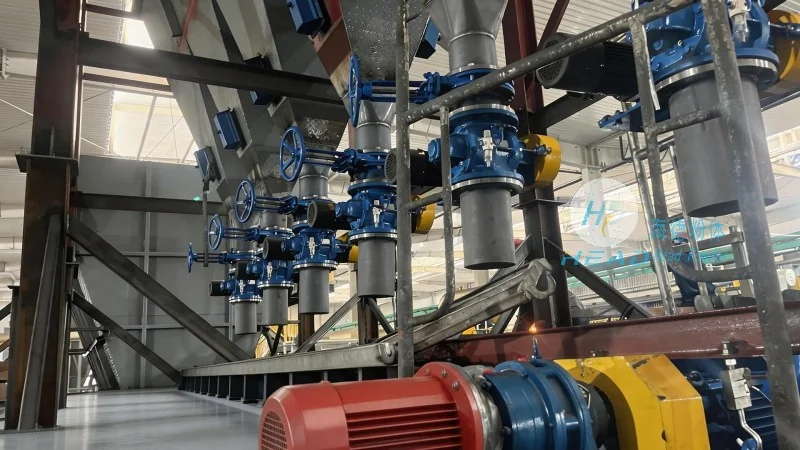
Husk, derived from the outer protective layer of grains such as wheat, corn, and rice, is a fibrous and lightweight material that presents distinct characteristics compared to bulk grains. Its low density, high dust content, and tendency to generate static electricity make traditional gravity or mechanical conveying methods less effective. These challenges necessitate specialized conveying solutions that can handle the unique properties of husk while ensuring minimal loss, contamination, and operational downtime. Understanding these challenges is the first step in selecting an appropriate conveying system for husk management.
Common Husk Conveying Methods
Several conventional methods are employed for husk transportation in industrial applications. These include mechanical conveyors like belt conveyors, screw conveyors, and bucket elevators, as well as gravity-based systems such as chutes and hoppers. While these methods are widely used for bulk material handling, they often struggle with the specific demands of husk. Mechanical conveyors, for instance, may experience issues with material buildup, blockages, and increased wear due to the abrasive nature of husk particles. Gravity systems, on the other hand, are limited by the need for steep inclines and may not be suitable for long-distance or complex routing requirements.
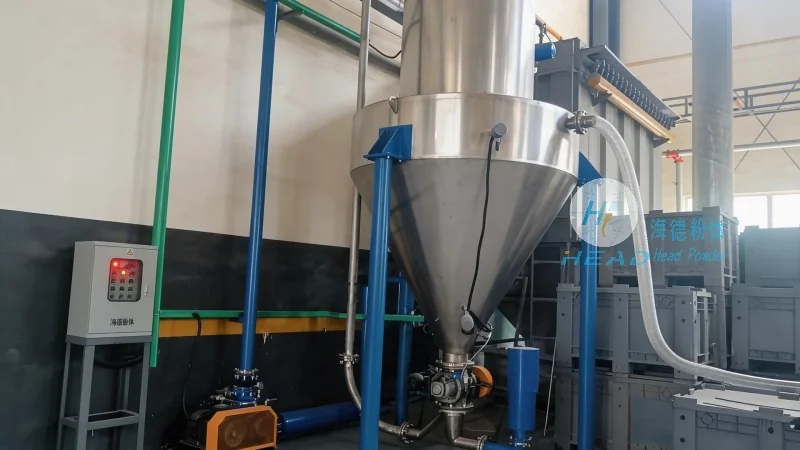
Pneumatic Conveying Systems for Husk: Advantages and Applications
Pneumatic conveying, also known as air-based or gas-powered conveying, has emerged as a preferred solution for husk transportation due to its ability to handle fine, light materials efficiently. This method involves transporting materials through a pipeline using pressurized or vacuum air, creating a flow that moves the husk particles along the system. The key advantages of pneumatic conveying for husk include high capacity, minimal material degradation, and the ability to handle long distances and complex layouts without the need for multiple transfer points. Unlike mechanical systems, pneumatic conveyors reduce the risk of product contamination and can be easily integrated into existing processing lines.
Components of a Pneumatic Husk Conveying System
A typical pneumatic conveying system for husk consists of several key components that work in tandem to ensure efficient material transport. These components include a hopper or feeder to store and feed the husk into the system, a blower or vacuum pump to generate the necessary air pressure or suction, a pipeline network to transport the material, and control valves to regulate the flow. The hopper is designed to minimize material bridging and ensure a consistent feed rate, while the blower provides the energy to move the husk particles through the pipeline. The pipeline itself is often made of durable materials such as stainless steel or PVC to withstand the abrasive nature of husk and prevent blockages. Control valves, including check valves and flow control devices, are used to manage the pressure and flow within the system, ensuring smooth operation and preventing backflow.
Types of Pneumatic Conveying for Husk
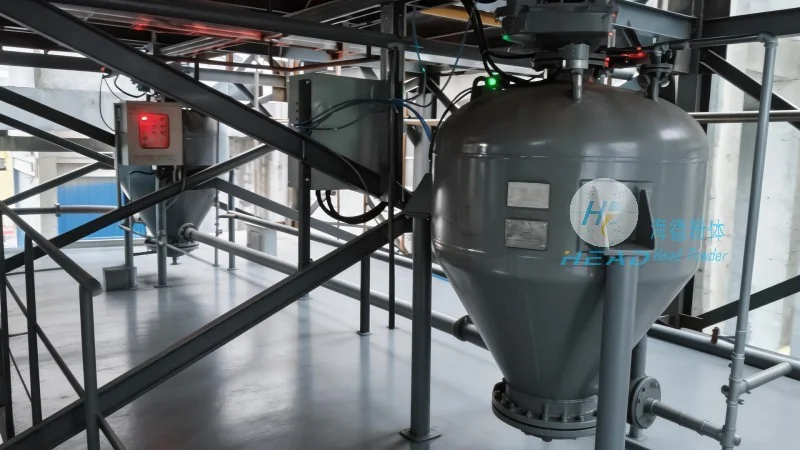
There are two primary types of pneumatic conveying systems used for husk: positive pressure and negative pressure (vacuum) systems. Positive pressure systems use a blower to force air and husk particles through the pipeline, typically operating at higher pressures and suitable for short to medium distances. Negative pressure systems, on the other hand, use a vacuum pump to draw husk particles into the pipeline, often used for longer distances or when the material needs to be transported from multiple sources to a central collection point. Each system has its own advantages and is selected based on the specific requirements of the application, including distance, material volume, and layout constraints.
Installation and Maintenance Considerations
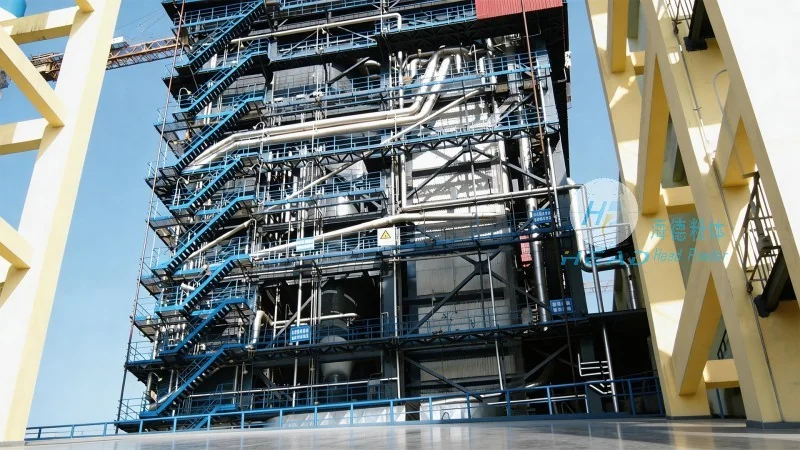
Proper installation and regular maintenance are critical to the long-term performance and reliability of a pneumatic husk conveying system. Installation involves careful planning of the pipeline layout to minimize bends and changes in direction, as excessive bends can cause pressure drops and material deposition. The system should be installed with appropriate support structures to prevent sagging and maintain alignment. Regular maintenance includes cleaning the hopper and feeder to prevent material buildup, inspecting the blower and pump for wear and tear, and checking the pipeline for blockages or leaks. Proper maintenance not only ensures optimal performance but also extends the lifespan of the equipment and reduces the risk of costly downtime.
Case Study: HeadPowder's Pneumatic Conveying Solutions
Shandong HeadPowder Engineering Co., Ltd., a leading manufacturer of industrial conveying systems, specializes in providing customized pneumatic conveying solutions for husk and other light materials. With facilities located in Shandong, China, HeadPowder leverages advanced engineering and manufacturing capabilities to design and produce high-quality pneumatic conveying systems tailored to the specific needs of grain processing and feed milling industries. The company's expertise in material handling and pneumatic technology ensures that their systems deliver reliable performance, efficient material transport, and minimal maintenance requirements. HeadPowder's products are known for their durability, energy efficiency, and adaptability, making them a preferred choice for industrial facilities seeking to optimize their husk management processes.
Conclusion
In conclusion, the selection of an appropriate husk conveying method is essential for the efficient operation of grain processing and related industries. While traditional mechanical and gravity systems have their limitations, pneumatic conveying systems offer a superior solution for handling the unique properties of husk. By understanding the components, types, and maintenance requirements of pneumatic conveying systems, industrial facilities can make informed decisions to improve their material handling processes. With the expertise and experience of companies like Shandong HeadPowder Engineering Co., Ltd., businesses can implement effective husk conveying solutions that enhance productivity, reduce costs, and ensure the smooth operation of their operations.

 Shandong Headpowder Engineering Co., Ltd.
 156-6277-7102(Quản lý Trương)
  0531-83386006
  Thành phố Tế Nam, Tỉnh Sơn Đông, Trung Quốc
Điện thoại
WeChatTư vấn
Lên đầu