Với hơn 10 năm kinh nghiệm về vận chuyển khí nén, Headpowder Sơn Đông cung cấp hệ thống, thiết bị và quạt gió toàn chuỗi, đảm nhận các dự án kỹ thuật bột trọn gói trên toàn quốc.
Refractory materials, essential components in high-temperature industrial processes, require efficient and reliable conveying systems to ensure smooth operation and safety. The choice of conveying method depends on factors such as material properties, production scale, and environmental requirements. This article explores the primary methods used for transporting refractory materials, highlighting the expertise of Shandong HeadPowder Engineering Co., Ltd. (commonly known as HeadPowder) in providing tailored solutions for various industrial applications.
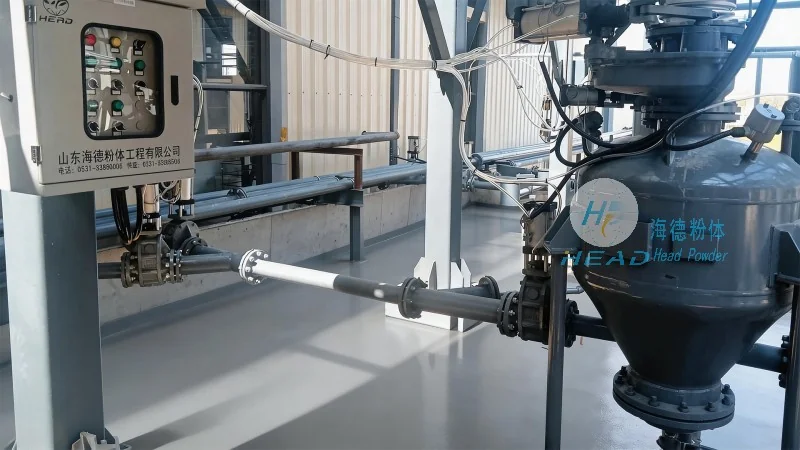
1. Belt Conveyor System
The belt conveyor is one of the most widely used methods for refractory material conveying due to its simplicity, durability, and ability to handle a wide range of materials. This system consists of a continuous loop of belt, supported by rollers or pulleys, which transports materials from one point to another. HeadPowder specializes in designing and manufacturing belt conveyors that are specifically engineered for refractory materials, ensuring minimal wear and tear and maintaining material integrity during transport. The company’s expertise in material handling technology allows for the customization of belt widths, speeds, and incline angles to suit different production needs, making it an ideal choice for both small-scale and large-scale operations.
2. Bucket Elevator (Vertical Conveying)
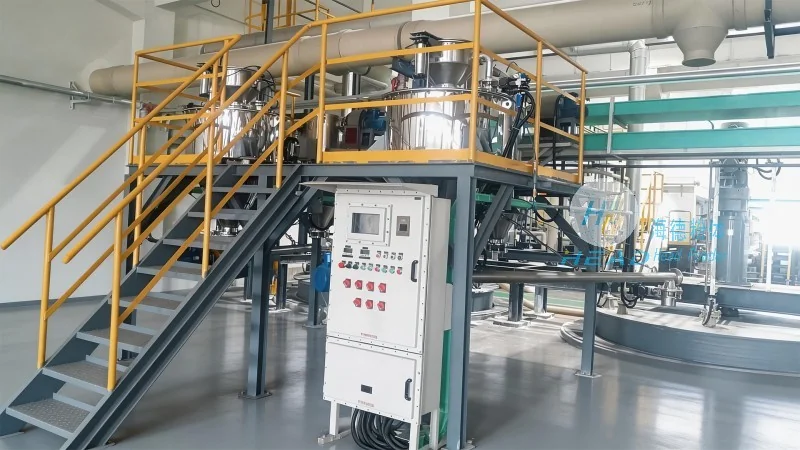
For vertical or inclined material transport, the bucket elevator is a highly effective solution. This system uses a series of buckets attached to a chain or belt, which moves vertically to lift materials from a lower to a higher level. HeadPowder’s bucket elevators are designed with robust construction to withstand the abrasive nature of refractory materials, ensuring long service life and reliable performance. The company offers various types of bucket elevators, including chain bucket elevators and belt bucket elevators, each tailored to specific material characteristics and operational conditions. These systems are particularly useful in applications where space is limited or where vertical transport is necessary, such as in kiln loading and unloading processes.
3. Pneumatic Conveying System
Pneumatic conveying, also known as air conveying, is a method that uses air pressure or vacuum to transport refractory materials in a closed pipeline system. This technology is ideal for handling fine powders or granular materials, as it minimizes dust exposure and provides a clean, controlled transport environment. HeadPowder’s pneumatic conveying systems are equipped with advanced control mechanisms to regulate air flow and pressure, ensuring efficient and safe material transport. The company’s expertise in material flow dynamics allows for the design of systems that can handle different particle sizes and densities, making it suitable for applications such as raw material feeding in refractory production lines. Pneumatic conveying also offers advantages like reduced labor costs and improved safety by eliminating the need for manual handling of materials.
4. Screw Conveyor
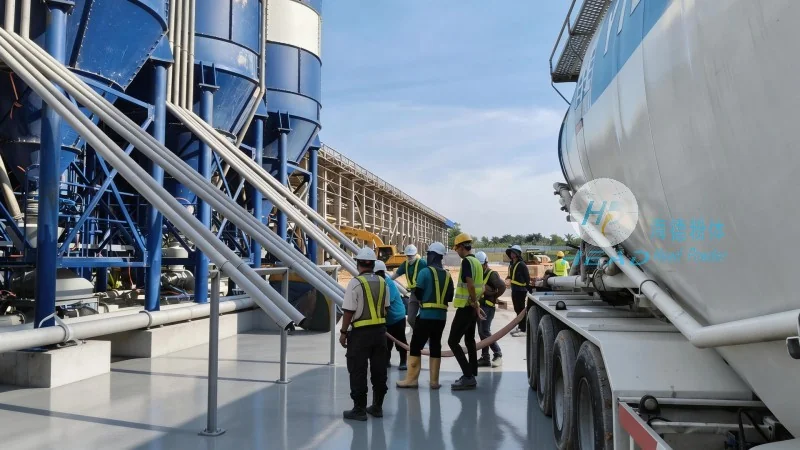
Screw conveyors, also known as auger conveyors, are another common method for refractory material transport. This system uses a rotating screw or auger to move materials along a trough. HeadPowder’s screw conveyors are designed with high-quality materials and precise engineering to handle the abrasive nature of refractory materials, ensuring minimal wear and efficient transport. The company offers adjustable screw speeds and trough dimensions to accommodate different material types and production volumes. Screw conveyors are particularly effective for horizontal or slightly inclined transport, making them suitable for applications such as material feeding into mixers or storage silos. Their compact design and low maintenance requirements make them a popular choice in many industrial settings.
5. Hydraulic Conveying
Hydraulic conveying systems use water or other fluids to transport refractory materials, especially in applications where dust control is critical. This method is commonly used for transporting fine powders or slurry materials, as it provides a closed system that prevents dust emissions. HeadPowder’s hydraulic conveying systems are engineered with high-pressure pumps and robust pipelines to ensure efficient material transport. The company’s expertise in fluid dynamics allows for the design of systems that can handle different material viscosities and particle sizes, making it suitable for applications such as raw material transport in cement or refractory production. Hydraulic conveying offers advantages like low noise levels and reduced maintenance compared to other methods, making it an attractive option for industrial environments.

 Shandong Headpowder Engineering Co., Ltd.
 156-6277-7102(Quản lý Trương)
  0531-83386006
  Thành phố Tế Nam, Tỉnh Sơn Đông, Trung Quốc
Điện thoại
WeChatTư vấn
Lên đầu