Với hơn 10 năm kinh nghiệm về vận chuyển khí nén, Headpowder Sơn Đông cung cấp hệ thống, thiết bị và quạt gió toàn chuỗi, đảm nhận các dự án kỹ thuật bột trọn gói trên toàn quốc.
PP (Polypropylene) pellets are a fundamental raw material in the plastics industry, used in a wide range of applications from packaging to automotive components. The efficient and reliable transportation of these pellets from storage to processing equipment is critical for maintaining production efficiency and product quality. Various conveying methods are available, each with its own set of advantages and limitations. This article explores the different PP pellet conveying methods, with a focus on the benefits and characteristics of pneumatic conveying, a popular choice for many industrial applications.
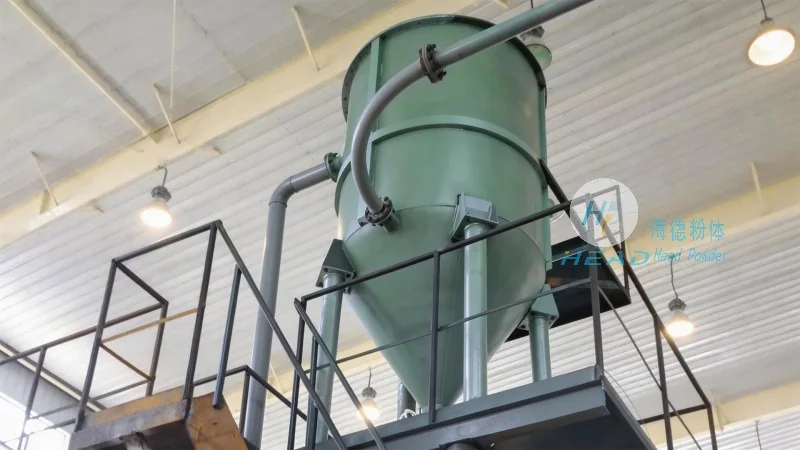
About Shandong HeadPowder Engineering Co., Ltd.
Shandong HeadPowder Engineering Co., Ltd., commonly known as HeadPowder, is a leading provider of engineering solutions for material handling and processing. With a strong commitment to innovation and quality, HeadPowder specializes in designing and manufacturing equipment tailored to the unique needs of the plastics and related industries. HeadPowder is headquartered in Shandong, China, and serves clients globally with expertise in material handling systems, including advanced conveying technologies for PP pellets and other plastic materials.
Common PP Pellet Conveying Methods
When selecting a conveying method for PP pellets, several factors must be considered, including the distance to be covered, the volume of material, the need for dust control, and the overall cost. The primary methods include gravity flow, mechanical conveyors, and pneumatic conveying. Each method has distinct characteristics that make it suitable for different scenarios.
Gravity Flow Conveying
Gravity flow, also known as bulk handling or hopper flow, relies on the natural force of gravity to move PP pellets from a higher elevation to a lower one. This method is simple and cost-effective for short distances and low volumes. It typically involves using hoppers or chutes to direct the flow of pellets. However, gravity flow is limited by the need for a sufficient vertical drop and is not suitable for long distances or when the material needs to be elevated. Additionally, it may not provide adequate control over the flow rate, which can lead to uneven delivery to processing equipment.
Mechanical Conveyors
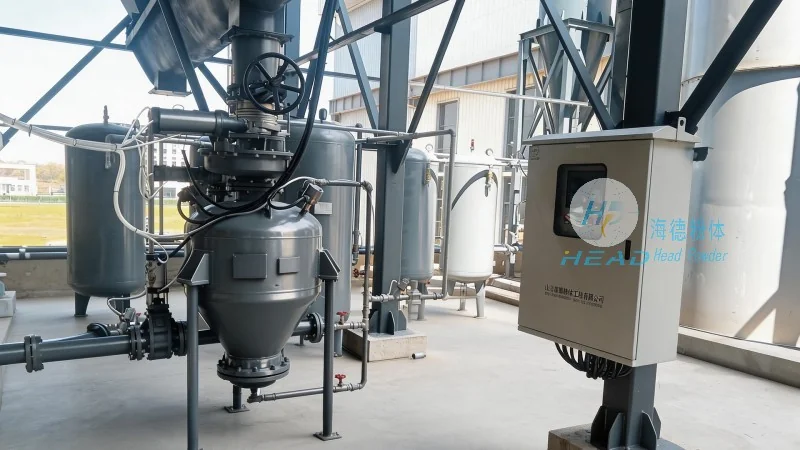
Mechanical conveyors, such as belt conveyors, screw conveyors, and chain conveyors, use mechanical components to transport PP pellets. These systems are widely used in industrial settings due to their reliability and ability to handle large volumes. Belt conveyors are particularly common for horizontal or slightly inclined transport, while screw conveyors are effective for vertical or inclined movement. Mechanical conveyors offer good control over the flow rate and can be integrated with other processing equipment. However, they require regular maintenance and may generate more dust compared to pneumatic systems, especially when handling fine or dusty pellets.
Pneumatic Conveying: The Preferred Solution for Many Applications
Pneumatic conveying, also known as air conveying, uses compressed air to transport PP pellets through a pipeline. This method is highly versatile and can handle both short and long distances, as well as vertical and horizontal transport. Pneumatic systems are particularly advantageous for applications requiring dust control, as the material is contained within the pipeline, reducing exposure to the environment. They also offer high efficiency and can be easily integrated with other processing equipment, such as mixers, extruders, and storage silos. The flexibility of pneumatic conveying allows for the design of custom systems tailored to specific production requirements.
Advantages of Pneumatic Conveying for PP Pellets
HeadPowder recognizes the importance of efficient PP pellet conveying and has developed advanced pneumatic systems that leverage the advantages of this technology. The key benefits of pneumatic conveying for PP pellets include:
High Efficiency and Speed: Pneumatic systems can transport large volumes of PP pellets quickly and reliably, minimizing downtime and increasing overall production throughput.
Excellent Dust Control: By containing the material within a sealed pipeline, pneumatic conveying reduces dust generation and improves workplace safety. This is particularly important for PP pellets, which can create fine particles that are hazardous if not properly controlled.
Flexibility and Versatility: Pneumatic systems can be easily reconfigured to accommodate changes in production volume or layout. They can handle both dry and slightly wet pellets, making them suitable for a wide range of applications.
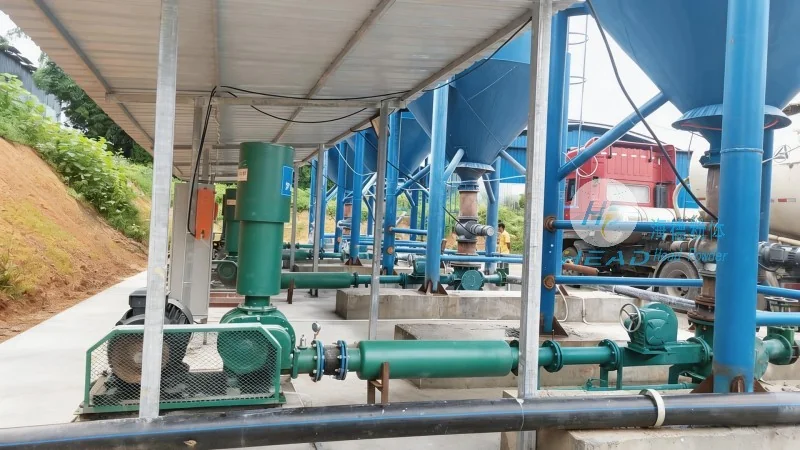
Low Maintenance: Compared to mechanical conveyors, pneumatic systems require less maintenance due to fewer moving parts. This reduces operational costs and increases the lifespan of the equipment.
Reduced Product Contamination: The sealed pipeline prevents cross-contamination between different batches of PP pellets, ensuring product purity and meeting quality standards.
Key Features of HeadPowder's Pneumatic Conveying Solutions
HeadPowder's pneumatic conveying solutions are designed to address the specific challenges of PP pellet handling. Our systems incorporate advanced components, such as high-efficiency blowers, robust pipelines, and intelligent control systems, to ensure optimal performance. The company's expertise in material handling allows for the customization of conveying systems to meet the unique requirements of each client. Whether for short-distance transport within a facility or long-distance transfer between buildings, HeadPowder's pneumatic conveying solutions provide reliable and efficient PP pellet transport.
Conclusion
Choosing the right PP pellet conveying method is crucial for maintaining production efficiency and product quality. While gravity flow and mechanical conveyors have their place, pneumatic conveying offers significant advantages in terms of efficiency, dust control, and flexibility. HeadPowder, with its expertise in material handling engineering, provides comprehensive solutions for PP pellet conveying, ensuring that clients can select the most suitable system for their specific needs. By leveraging the benefits of pneumatic conveying, industries can enhance their production processes and achieve better overall performance.

 Shandong Headpowder Engineering Co., Ltd.
 156-6277-7102(Quản lý Trương)
  0531-83386006
  Thành phố Tế Nam, Tỉnh Sơn Đông, Trung Quốc
Điện thoại
WeChatTư vấn
Lên đầu