Với hơn 10 năm kinh nghiệm về vận chuyển khí nén, Headpowder Sơn Đông cung cấp hệ thống, thiết bị và quạt gió toàn chuỗi, đảm nhận các dự án kỹ thuật bột trọn gói trên toàn quốc.
Denitrification urea, a critical component in flue gas desulfurization and denitrification processes, necessitates efficient and reliable transportation to maintain smooth operation in industrial facilities. The choice of transportation method directly impacts operational efficiency, safety, and cost-effectiveness. This article examines various transportation options available for denitrification urea and highlights the advantages of pneumatic conveying as a preferred solution.
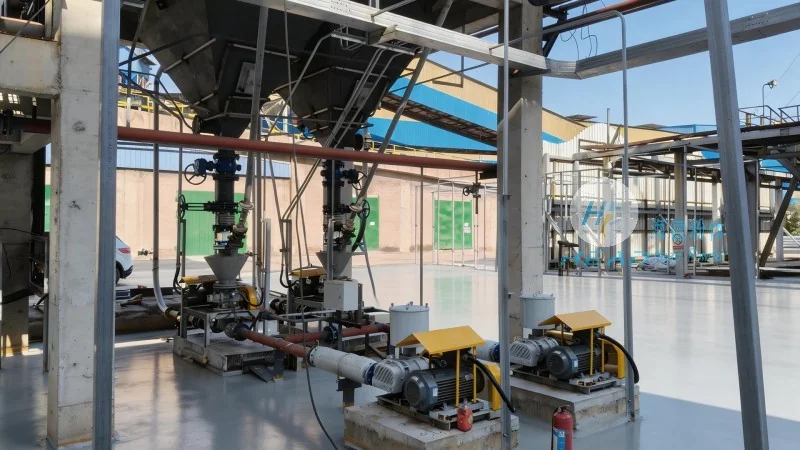
Common Transportation Methods for Denitrification Urea
Several methods are utilized for transporting denitrification urea, each with distinct characteristics and applications. Traditional approaches include bulk handling via trucks or railcars, which are suitable for short to medium distances but may encounter challenges in dust control and material handling. Another option is belt conveyors, effective for horizontal or slightly inclined transport but less ideal for vertical or complex layouts. However, these methods often require additional infrastructure and may not provide the precision and control needed for modern industrial processes.
Pneumatic Conveying: A Preferred Solution for Denitrification Urea
Pneumatic conveying stands out as a highly effective and versatile method for transporting denitrification urea. This technology employs air pressure to move material through a pipeline system, offering key advantages that make it a preferred choice for many industrial applications. The primary benefit is its ability to handle fine powders and granules without mechanical components that could cause wear or blockages, resulting in lower maintenance costs and longer equipment lifespan.
Another significant advantage of pneumatic conveying is its system design flexibility. It can be configured for both low and high-pressure operations, enabling vertical, horizontal, or complex multi-directional transport. This adaptability makes it suitable for a wide range of industrial settings, from small-scale plants to large-scale power stations. Additionally, pneumatic systems can be integrated with other process equipment, such as storage silos and dosing units, creating a seamless material flow that enhances overall operational efficiency.
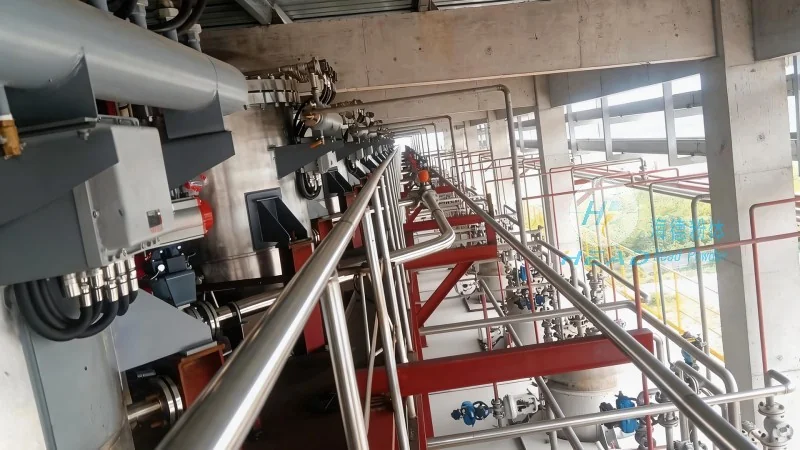
Key Advantages of Pneumatic Conveying for Denitrification Urea
When considering denitrification urea transportation, pneumatic conveying offers numerous benefits that contribute to improved performance and reduced operational costs. One notable advantage is the elimination of manual handling, reducing dust exposure risks and improving workplace safety. The enclosed pipeline system also minimizes material loss and contamination, ensuring the urea remains in optimal condition throughout transport.
Furthermore, pneumatic conveying systems are energy-efficient. By using air pressure to move material, the system achieves significant energy savings compared to traditional mechanical methods, reducing operational costs and aligning with sustainability goals by minimizing environmental impact.
Another advantage is precise flow rate and pressure control. This allows for accurate dosing and feeding of the denitrification urea into the reaction system, ensuring consistent performance and preventing over or under-dosing. This level of control is critical for maintaining the efficiency of the flue gas treatment process and optimizing overall plant operation.
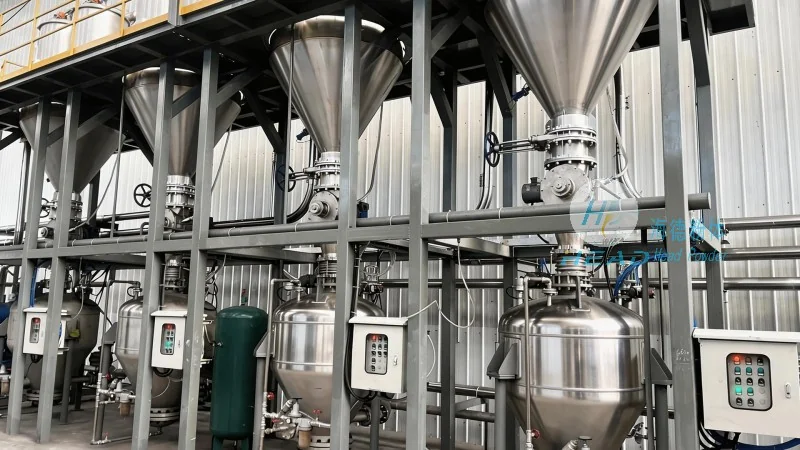
Application Examples and Case Studies
Many industrial facilities, particularly those in power generation and industrial emissions control, have successfully implemented pneumatic conveying systems for denitrification urea. For example, a large thermal power plant in China utilized a pneumatic conveying system to transport urea from storage silos to denitrification reactors. The system was designed to handle high volumes at a consistent rate, ensuring the plant met emission reduction targets without interruption. Results showed reduced material handling time and labor costs, along with improved safety due to the enclosed system.
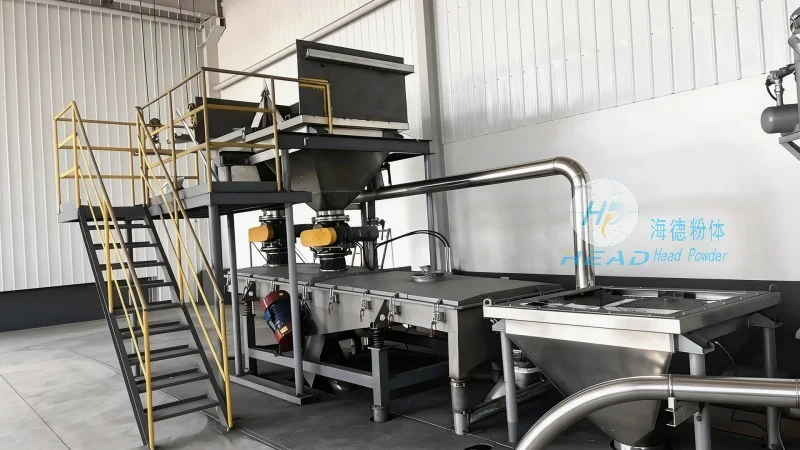
Similarly, a chemical processing plant specializing in flue gas treatment adopted a pneumatic conveying solution to transport denitrification urea to dosing equipment. The system was integrated with existing infrastructure, minimizing construction or modification needs. The plant reported improved operational reliability and reduced downtime, as the pneumatic system was less prone to mechanical failures compared to traditional belt conveyors.
Conclusion and Recommendations
When selecting a transportation method for denitrification urea, it is essential to consider specific application requirements, including material characteristics, distance, and operational constraints. Pneumatic conveying, as discussed, offers a robust and efficient solution addressing challenges of traditional methods. However, system design choices—such as low or high-pressure operation—and pipeline configuration should be tailored to facility needs.
For companies optimizing denitrification urea transportation, partnering with a specialized engineering firm provides valuable expertise and tailored solutions. Shandong HeadPowder Engineering Co., Ltd., a leading provider, offers comprehensive services including system design, installation, and maintenance for pneumatic conveying systems. With a focus on efficiency, safety, and sustainability, HeadPowder Engineering helps industrial facilities achieve operational goals while minimizing costs and environmental impact.

 Shandong Headpowder Engineering Co., Ltd.
 156-6277-7102(Quản lý Trương)
  0531-83386006
  Thành phố Tế Nam, Tỉnh Sơn Đông, Trung Quốc
Điện thoại
WeChatTư vấn
Lên đầu