Với hơn 10 năm kinh nghiệm về vận chuyển khí nén, Headpowder Sơn Đông cung cấp hệ thống, thiết bị và quạt gió toàn chuỗi, đảm nhận các dự án kỹ thuật bột trọn gói trên toàn quốc.
Chromium(III) oxide, a crucial inorganic compound widely used in various industrial applications such as catalysts, pigments, and corrosion inhibitors, often requires efficient and safe transport methods to meet production demands. The choice of transport method significantly impacts operational efficiency, cost, and safety. This article provides a detailed comparison of common chromium(III) oxide transport methods, highlighting their advantages and disadvantages, to assist industry professionals in selecting the most suitable approach for their specific needs.
Introduction to Chromium(III) Oxide Transport
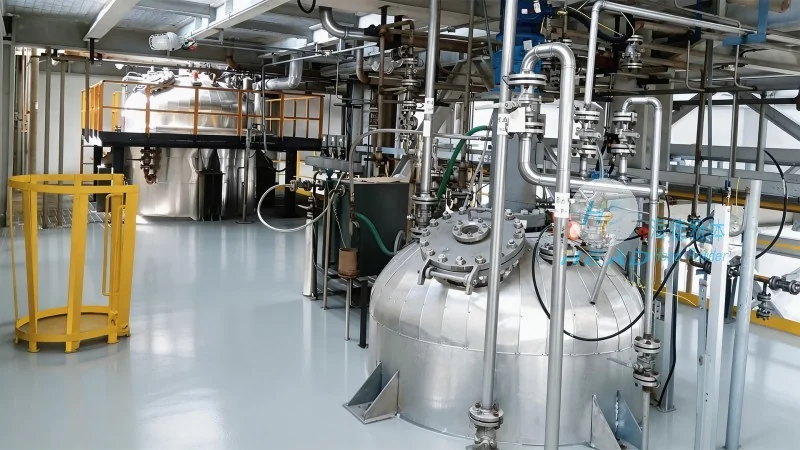
Chromium(III) oxide, with the chemical formula Cr₂O₃, is a greenish-black solid that is hygroscopic and can be transported in bulk quantities. The selection of a transport method depends on factors like material properties, plant layout, scale of operation, and environmental regulations. Common transport methods include pneumatic conveying, mechanical conveying (e.g., screw conveyors, belt conveyors), and fluidized bed transport. Each method has distinct characteristics that make it suitable for different scenarios.
1. Pneumatic Conveying: Advantages and Disadvantages
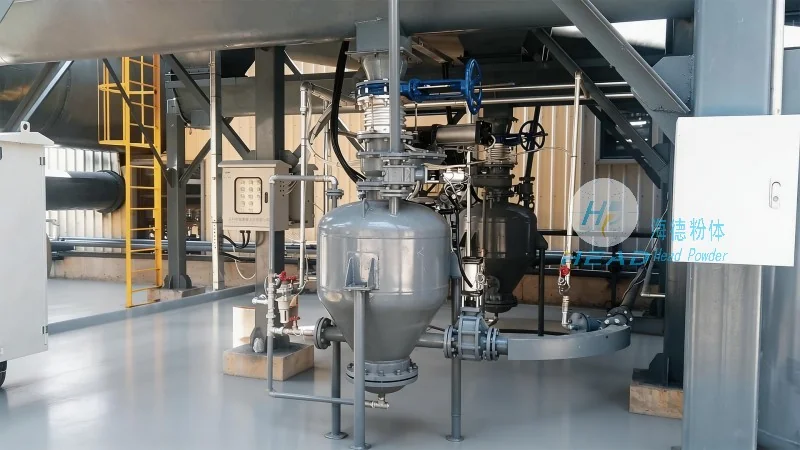
Pneumatic conveying uses air or other gases to transport solid materials through a pipeline. For chromium(III) oxide, this method offers several advantages. Firstly, it allows for continuous and automated transport, reducing labor costs and improving process control. Secondly, it can handle fine powders without the need for additional equipment like hoppers or chutes, minimizing material degradation. Thirdly, pneumatic systems can be designed to operate under negative pressure, which helps in preventing dust emissions and maintaining a clean environment. However, pneumatic conveying also has notable disadvantages. One major drawback is the high energy consumption, as it requires powerful blowers or compressors to move the material. Additionally, the system is sensitive to variations in material flow rate and moisture content, which can lead to blockages or increased wear on components. Moreover, the cost of installation and maintenance for large-scale pneumatic systems can be substantial, making it less economical for small-scale operations.
2. Mechanical Conveying: Advantages and Disadvantages
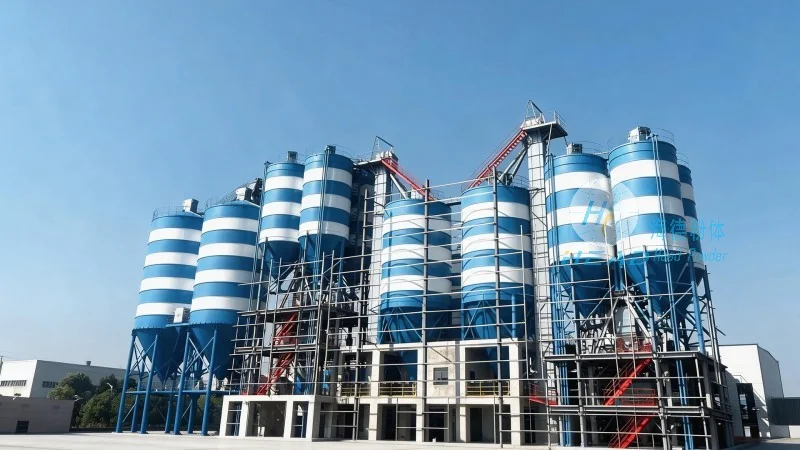
Mechanical conveying methods, such as screw conveyors, belt conveyors, and bucket elevators, are widely used for chromium(III) oxide transport due to their simplicity and reliability. Screw conveyors, for instance, are particularly effective for handling dry, free-flowing powders like chromium(III) oxide. They offer advantages like low maintenance costs, easy installation, and the ability to operate in vertical or horizontal configurations. Screw conveyors also provide good control over material flow, which is essential for maintaining consistent product quality. However, they have limitations when dealing with very fine or cohesive powders, as these materials may stick to the screw or the casing, leading to uneven transport and potential blockages. Belt conveyors, on the other hand, are suitable for larger particle sizes or bulkier materials, offering high capacity and durability. Their main advantages include high throughput, low energy consumption compared to pneumatic systems, and the ability to transport materials over long distances. Nevertheless, belt conveyors require regular maintenance to prevent belt wear and slippage, and they are not ideal for fine powders that can cause dust issues. Moreover, the initial investment for belt conveyor systems can be high, especially for large-scale applications.
3. Fluidized Bed Transport: Advantages and Disadvantages
Fluidized bed transport involves suspending the chromium(III) oxide particles in a fluidizing medium, typically air or gas, to create a fluid-like state. This method is particularly useful for handling cohesive or sticky powders, as the fluidization process breaks up agglomerates and prevents material buildup. The advantages of fluidized bed transport include improved material flow, reduced dust generation, and better control over particle size distribution. It also allows for in-line processing, such as drying or coating, without the need for separate equipment. However, fluidized bed systems have significant disadvantages. They require high energy input to maintain the fluidized state, which increases operational costs. Additionally, the system is sensitive to variations in particle size and moisture content, which can affect fluidization efficiency. Furthermore, the equipment is complex and expensive to install and maintain, making it less suitable for small-scale operations. The risk of dust explosions is also a concern, as fluidized beds can create high-velocity air streams that may ignite fine particles.
4. Selection Criteria for Chromium(III) Oxide Transport Methods
When choosing a transport method for chromium(III) oxide, several factors must be considered to ensure optimal performance and cost-effectiveness. The first criterion is the material's physical properties, including particle size, moisture content, and cohesive behavior. Fine powders with high moisture content may require pneumatic or fluidized bed systems to prevent blockages. Larger, bulkier particles are better suited for mechanical conveyors like belt conveyors. The second criterion is the scale of operation and plant layout. Large-scale industrial plants may benefit from pneumatic or fluidized bed systems due to their high capacity, while small-scale operations may find mechanical conveyors more economical. The third criterion is environmental regulations and safety considerations. Systems that minimize dust emissions and prevent material contamination are preferred, especially in industries where environmental compliance is critical. The fourth criterion is the initial investment and operational costs. Companies must evaluate the total cost of ownership, including installation, maintenance, and energy consumption, to select the most cost-effective option.
Conclusion and Recommendations
Each chromium(III) oxide transport method has its own set of advantages and disadvantages, and the best choice depends on the specific requirements of the application. Pneumatic conveying is ideal for fine powders and automated processes but is energy-intensive. Mechanical conveyors offer simplicity and low energy consumption but may not handle fine materials well. Fluidized bed transport is suitable for cohesive powders but requires high energy input and complex equipment. For most industrial applications, a combination of methods may be used to optimize performance. For example, a plant might use a screw conveyor to transport larger particles and a pneumatic system to handle fine powders. Ultimately, the goal is to select a transport method that ensures efficient, safe, and cost-effective material handling while meeting all regulatory and operational requirements.
Shandong HeadPowder Engineering Co., Ltd., a leading manufacturer and supplier of high-quality chromium(III) oxide and related products, specializes in providing tailored transport solutions for various industrial needs. With years of experience in the field, HeadPowder understands the importance of selecting the right transport method for optimal performance. The company's expertise in material handling and process engineering enables it to offer customized solutions that meet the unique requirements of each client. Whether you are a small-scale producer or a large industrial plant, HeadPowder can help you choose the most suitable chromium(III) oxide transport method to enhance your operational efficiency and reduce costs.

 Shandong Headpowder Engineering Co., Ltd.
 156-6277-7102(Quản lý Trương)
  0531-83386006
  Thành phố Tế Nam, Tỉnh Sơn Đông, Trung Quốc
Điện thoại
WeChatTư vấn
Lên đầu