Với hơn 10 năm kinh nghiệm về vận chuyển khí nén, Headpowder Sơn Đông cung cấp hệ thống, thiết bị và quạt gió toàn chuỗi, đảm nhận các dự án kỹ thuật bột trọn gói trên toàn quốc.
When considering the transportation of materials using PTFE (polytetrafluoroethylene), understanding the various conveying methods is crucial for selecting the most suitable solution. PTFE is widely recognized for its exceptional chemical resistance, thermal stability, and low friction properties, making it an ideal material for handling a wide range of substances in industrial applications. The choice of conveying method depends on factors such as material characteristics, process requirements, and operational conditions. This article explores the primary PTFE conveying methods offered by Shandong HeadPowder Engineering Co., Ltd., a leading manufacturer in the field.
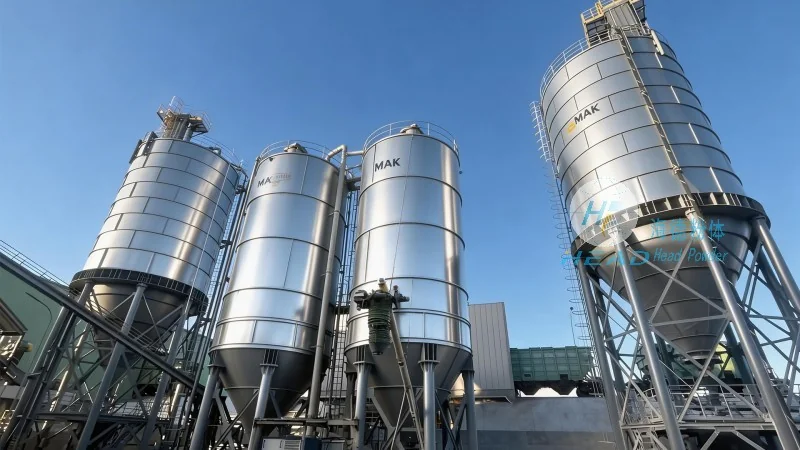
Overview of PTFE Conveying Systems
PTFE conveying systems are designed to efficiently transport materials while maintaining the integrity of the PTFE components. These systems are engineered to minimize wear and tear, ensuring long-term performance and reliability. The methods available vary from traditional mechanical systems to advanced pneumatic and hydraulic solutions, each tailored to specific material handling needs. By leveraging the expertise of HeadPowder, industries can optimize their material transport processes with PTFE components that offer superior durability and compatibility.
1. Mechanical Conveying Methods
Mechanical conveying is one of the most common approaches for PTFE material transport. This method typically involves the use of screws, belts, or rollers to move materials through a system. Screw conveyors, for instance, are widely used for bulk material handling, as they can transport powders and granules efficiently over long distances. The smooth, non-stick surface of PTFE ensures that materials do not adhere to the conveyor components, reducing blockages and maintenance requirements. HeadPowder’s mechanical conveying solutions are designed with high-quality PTFE components that withstand continuous operation and resist chemical degradation, making them suitable for aggressive environments.
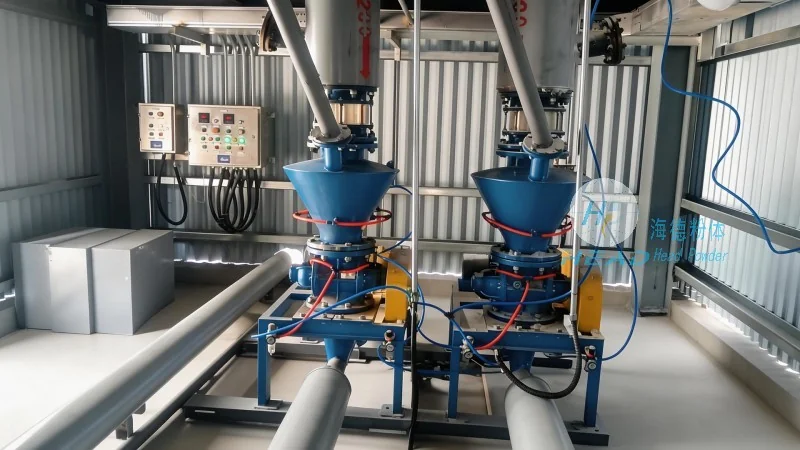
2. Pneumatic Conveying Systems
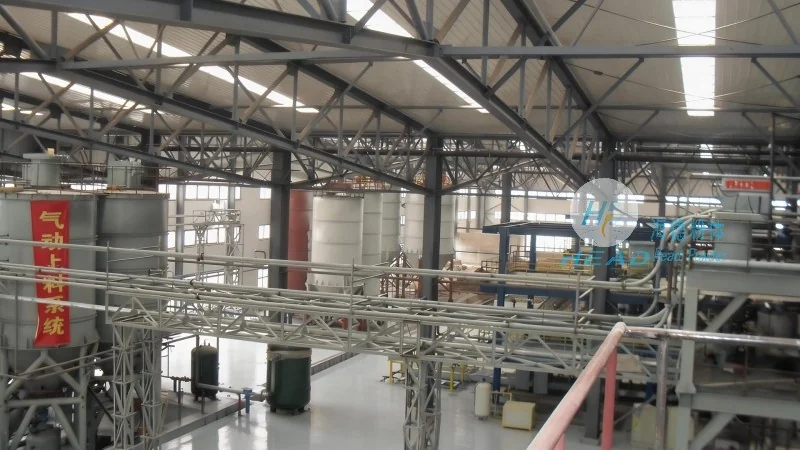
Pneumatic conveying uses air or other gases to transport materials through a pipeline. This method is particularly effective for handling fine powders and granules that are difficult to move mechanically. The system consists of a hopper, a blower, and a pipeline, with PTFE components used to prevent material buildup and ensure smooth flow. Pneumatic conveying offers advantages such as flexibility in layout and the ability to transport materials over longer distances without the need for multiple transfer points. HeadPowder provides PTFE-lined pneumatic conveying systems that maintain the purity of the conveyed material and prevent contamination, which is critical in industries like pharmaceuticals and food processing.
3. Gravity Conveying Solutions
Gravity conveying relies on the natural force of gravity to move materials from a higher to a lower elevation. This method is often used in applications where the material can be safely allowed to flow down a sloped pipe or chute. PTFE is an excellent choice for gravity conveying due to its low friction coefficient, which reduces the risk of material sticking to the conveying surface. HeadPowder’s gravity conveying solutions are designed with smooth PTFE liners that minimize resistance and ensure consistent flow rates. These systems are particularly useful in applications where energy efficiency is a priority, as they require no external power source beyond the initial material loading.
4. Hydraulic Conveying Methods
Hydraulic conveying uses fluid pressure to transport materials through a system. This method is commonly employed for handling slurries or viscous materials that cannot be conveyed by other means. PTFE components are used in hydraulic systems to prevent corrosion and ensure smooth fluid flow. HeadPowder’s hydraulic conveying solutions are engineered with PTFE seals and liners that maintain the integrity of the system and prevent leakage. These systems are ideal for applications involving abrasive or corrosive materials, as PTFE’s chemical resistance and durability protect the equipment from damage.
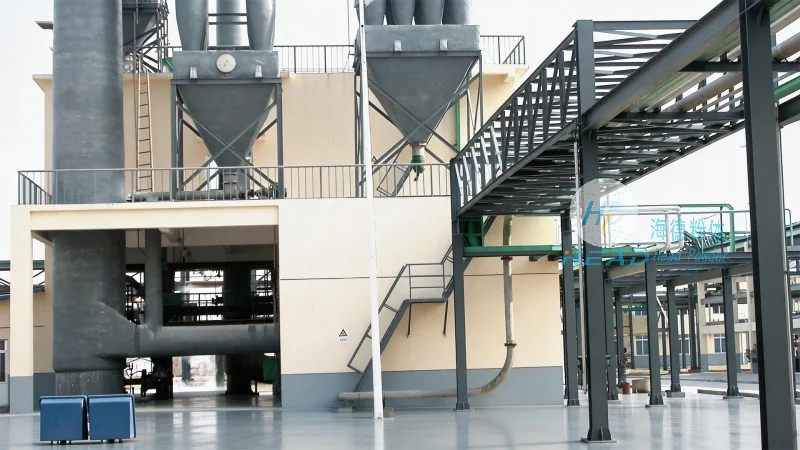
Company Information and Contact
Shandong HeadPowder Engineering Co., Ltd., operating under the brand name HeadPowder, is a leading manufacturer of PTFE conveying components and systems. With a strong presence in China, the company specializes in providing high-quality solutions tailored to the unique needs of various industries. HeadPowder’s commitment to quality and innovation ensures that clients receive reliable and efficient PTFE conveying methods that enhance their operational performance. For more information about PTFE conveying solutions, please contact HeadPowder at their headquarters in Shandong, China.

 Shandong Headpowder Engineering Co., Ltd.
 156-6277-7102(Quản lý Trương)
  0531-83386006
  Thành phố Tế Nam, Tỉnh Sơn Đông, Trung Quốc
Điện thoại
WeChatTư vấn
Lên đầu