Với hơn 10 năm kinh nghiệm về vận chuyển khí nén, Headpowder Sơn Đông cung cấp hệ thống, thiết bị và quạt gió toàn chuỗi, đảm nhận các dự án kỹ thuật bột trọn gói trên toàn quốc.
Asbestos powder, a material widely used in various industrial applications, requires efficient and safe conveying methods to ensure smooth operation and compliance with safety regulations. The choice of conveying method significantly impacts the overall performance and cost-effectiveness of production processes. In this article, we will explore the common methods for asbestos powder conveying and delve into the specific advantages and features of pneumatic conveying systems, which have become a preferred solution for many industries.
Overview of Asbestos Powder Conveying Methods
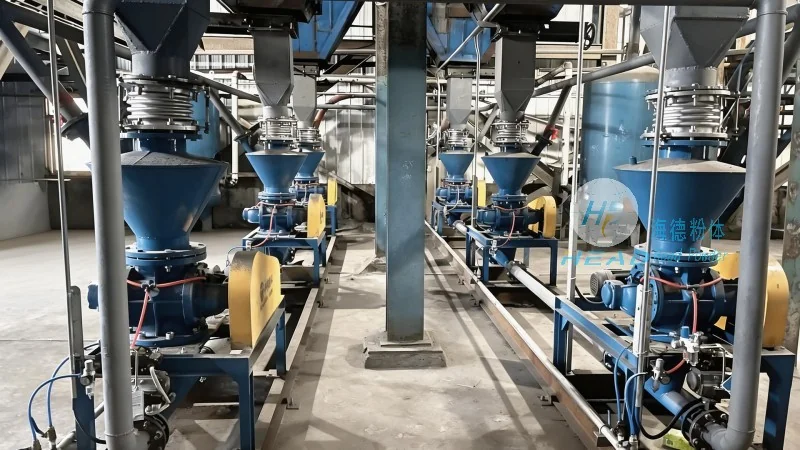
There are several conventional methods for transporting asbestos powder, including mechanical conveying systems such as belt conveyors, screw conveyors, and bucket elevators. These methods have been used for decades and are suitable for certain applications where the material is relatively dry and free-flowing. However, mechanical conveyors may face challenges when dealing with fine, dusty asbestos powder, as they can cause dust accumulation, material degradation, and increased maintenance requirements. Additionally, these systems may not provide adequate containment, leading to potential health and safety risks for operators.
Pneumatic Conveying: A Preferred Solution for Asbestos Powder Handling
Pneumatic conveying, also known as air conveying, offers a more efficient and safer alternative to traditional mechanical methods for asbestos powder transportation. This technology utilizes compressed air or other gases to transport the material through a pipeline system. The primary advantages of pneumatic conveying for asbestos powder include enhanced safety, improved material handling efficiency, and reduced environmental impact.
Key Advantages of Asbestos Powder Pneumatic Conveying
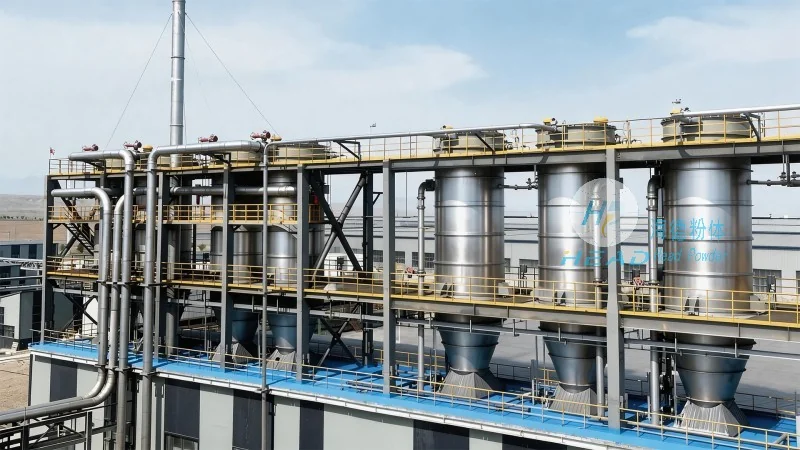
One of the most significant benefits of pneumatic conveying is the complete containment of the material. Unlike mechanical conveyors that may leak or spill, pneumatic systems keep asbestos powder sealed within the pipeline, minimizing exposure to workers and preventing contamination of the surrounding environment. This containment feature is crucial for maintaining compliance with occupational health and safety standards, especially in industries where asbestos is handled.
Another advantage is the ability to handle fine and abrasive materials without causing damage. Asbestos powder is often fine and can be abrasive, which can wear down mechanical components in traditional conveyors. Pneumatic systems use smooth, corrosion-resistant pipes and specialized valves that are designed to withstand the abrasive nature of asbestos powder, reducing maintenance costs and extending the lifespan of the equipment.
Efficiency is also a key factor in the adoption of pneumatic conveying. These systems can transport asbestos powder over long distances with minimal energy consumption compared to mechanical conveyors. The ability to handle both bulk and small quantities makes pneumatic conveying versatile for various production scenarios. Furthermore, the system can be easily integrated with other processes, such as dust collection and material storage, creating a seamless workflow.
Features of Asbestos Powder Pneumatic Conveying Systems
Modern asbestos powder pneumatic conveying systems are equipped with advanced features that enhance their performance and reliability. These features include:
Variable Speed Control: The ability to adjust the air flow and conveyor speed allows for precise control over the material flow rate, ensuring consistent and stable operation.
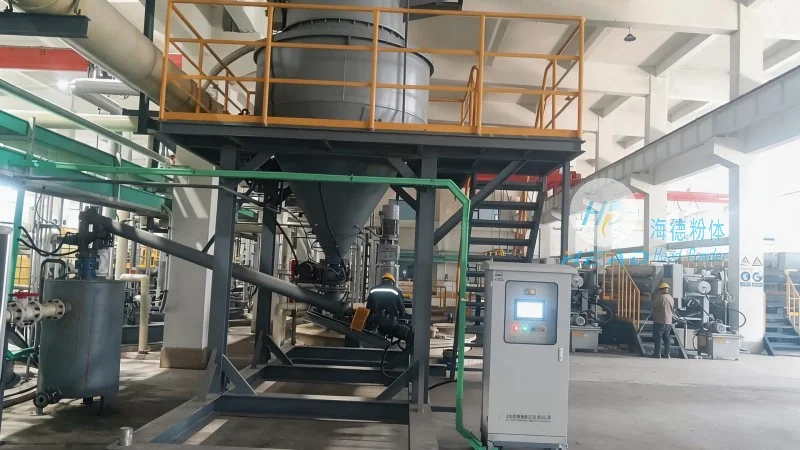
Dust Collection Integration: Many systems are designed to integrate with dust collection equipment, capturing any airborne particles and preventing dust emissions, which is essential for maintaining a clean and safe working environment.
Material Conditioning: Some systems incorporate conditioning units that help to break up agglomerates and improve the flowability of the asbestos powder, ensuring smooth and uninterrupted conveying.
Modular Design: Pneumatic conveying systems can be configured in modular units, allowing for easy expansion or reconfiguration as production needs change. This flexibility is particularly valuable for industries with fluctuating material volumes.
Conclusion: Choosing the Right Conveying Method for Asbestos Powder
When selecting a conveying method for asbestos powder, it is essential to consider the specific requirements of the application, including material characteristics, distance to be covered, and safety regulations. While mechanical conveyors may be suitable for some applications, pneumatic conveying systems offer superior advantages in terms of safety, efficiency, and material handling. For industries dealing with asbestos powder, investing in a pneumatic conveying system from a reputable supplier like Shandong HeadPowder Engineering Co., Ltd. can provide long-term benefits and ensure compliance with industry standards.
Shandong HeadPowder Engineering Co., Ltd., based in Shandong, China, specializes in providing advanced conveying solutions tailored to the needs of various industries. With a focus on safety, efficiency, and reliability, the company offers customized pneumatic conveying systems that meet the specific requirements of asbestos powder handling. By choosing a pneumatic conveying system from HeadPowder, businesses can enhance their operational performance, reduce costs, and ensure a safe working environment for their employees.

 Shandong Headpowder Engineering Co., Ltd.
 156-6277-7102(Quản lý Trương)
  0531-83386006
  Thành phố Tế Nam, Tỉnh Sơn Đông, Trung Quốc
Điện thoại
WeChatTư vấn
Lên đầu