Với hơn 10 năm kinh nghiệm về vận chuyển khí nén, Headpowder Sơn Đông cung cấp hệ thống, thiết bị và quạt gió toàn chuỗi, đảm nhận các dự án kỹ thuật bột trọn gói trên toàn quốc.
Hydrogen chloride (HCl) is a critical chemical in many industrial processes, and its safe and efficient transportation is essential for maintaining production continuity and ensuring operational safety. As a leading provider in the field, Shandong HeadPowder Engineering Co., Ltd. from China specializes in solutions for various chemical transportation needs, including the diverse methods of HCl transport. This article provides a detailed comparison of common HCl transport methods, highlighting their advantages and disadvantages to help industrial clients make informed decisions.
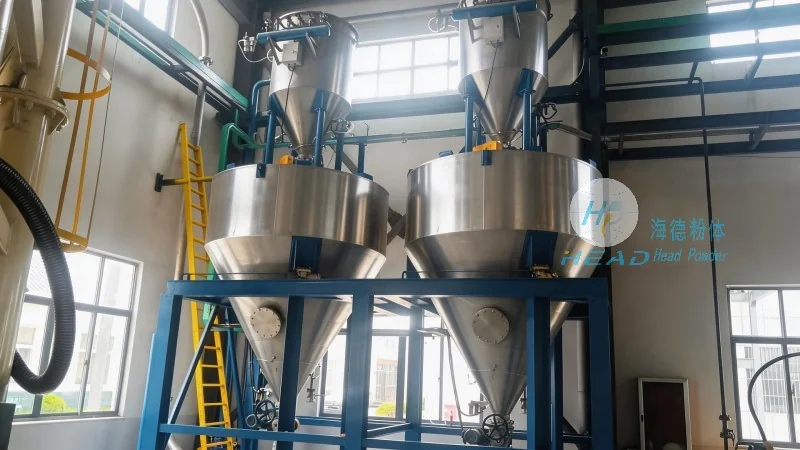
Pipeline Transport: A Continuous and Efficient Method for HCl Transfer
Pipeline transport is a widely adopted approach for transferring hydrogen chloride, especially in large-scale and continuous production environments. This method utilizes specialized corrosion-resistant pipelines to deliver HCl from the production facility to the usage point or storage site. The primary advantage of pipeline transport lies in its ability to enable stable and continuous material flow, minimizing intermediate losses and enhancing overall production efficiency. For instance, in a chemical plant, HCl produced can be directly piped to a reactor, ensuring the continuity and stability of the reaction process. However, pipeline transport also presents significant drawbacks. The initial investment is high, requiring professional installation and maintenance teams. Moreover, the system demands stringent corrosion resistance for the pipelines, as any leakage could lead to severe environmental contamination and safety hazards. Additionally, the layout and scalability of pipelines are limited; once the factory layout is fixed, it is difficult to quickly adjust the transport route.
Tank Truck Transport: A Flexible Solution for Mobile HCl Delivery
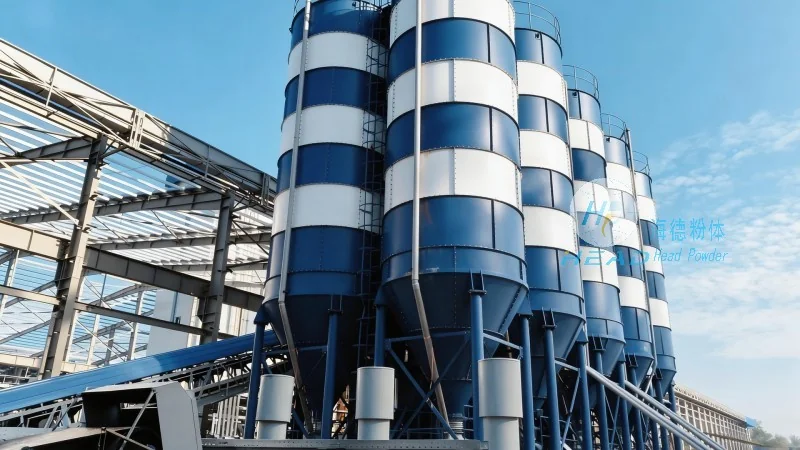
For medium to small-scale or flexible HCl transport needs, tank truck transport serves as an economical and practical option. Tank trucks are typically constructed from corrosion-resistant materials such as stainless steel or special alloys, allowing for the safe storage and transportation of high-concentration HCl. The key advantage of this method is its mobility, enabling the rapid movement of HCl from the production site to various usage locations, such as multiple factories within a chemical park or customer sites. This mobile transport solution meets the demands of temporary or small-batch requirements, reducing reliance on fixed pipelines. Nevertheless, tank truck transport comes with challenges. Firstly, strict safety regulations must be followed during transport, including speed limits, collision avoidance, and regular checks of the truck's sealing performance to prevent leaks. Secondly, the transportation cost is higher, encompassing fuel expenses, driver fees, and safety insurance costs. Furthermore, the efficiency of tank truck transport is lower than that of pipeline systems, as each transport involves loading, unloading, and transit, potentially increasing material loss and travel time. For enterprises requiring frequent HCl transport, tank trucks can serve as a supplementary method to pipeline transport.
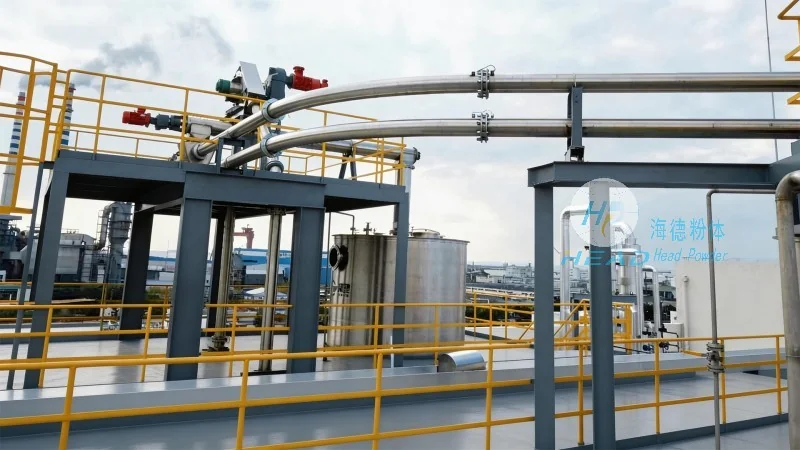
Cylinder Transport: Suitable for Small-Scale or Specialized HCl Applications
For small-batch or low-concentration HCl transport, cylinder transport is a common choice. Cylinders are usually made of high-strength steel and are specially treated to resist HCl corrosion. This method is suitable for laboratories, small chemical enterprises, or locations requiring a small amount of HCl. The advantages of cylinder transport include portability and flexibility, allowing for easy movement of HCl from suppliers to usage points without complex pipeline or truck equipment. The drawbacks include limited capacity, as cylinders can only store a small amount of HCl and are unsuitable for large-scale production. Additionally, the transport and storage of cylinders require strict safety measures, such as securing the cylinders, avoiding direct sunlight, and regular inspections of the cylinder's integrity. Due to the limited pressure-bearing capacity of cylinders, careful operation is necessary during transport to prevent rupture or leakage from overpressure. For enterprises needing stable and large-scale HCl transport, cylinder transport is generally not the primary choice but can serve as an auxiliary solution in specific scenarios.
Conclusion: Choosing the Right HCl Transport Method with HeadPowder Engineering
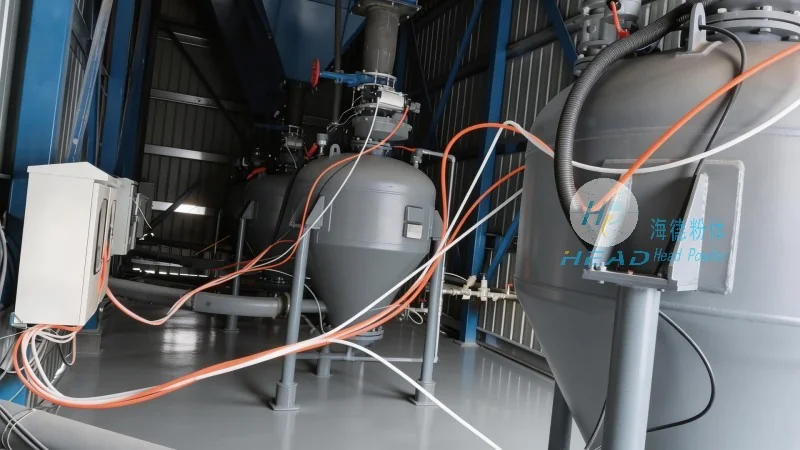
When selecting the appropriate HCl transport method, industrial clients must consider factors such as production scale, distance, safety requirements, and cost. Pipeline transport excels in large-scale, continuous operations but requires significant investment and maintenance. Tank truck transport offers flexibility and is ideal for medium-scale or temporary needs, though it incurs higher operational costs. Cylinder transport is best suited for small-scale or specialized applications, providing convenience but with limited capacity. Shandong HeadPowder Engineering Co., Ltd., based in China, provides comprehensive solutions tailored to these diverse needs. The company's expertise in chemical engineering and safety protocols ensures that clients can choose the most suitable transport method while adhering to industry standards and regulatory requirements. By understanding the advantages and disadvantages of each transport method, industrial clients can optimize their HCl supply chain, enhance operational efficiency, and ensure the safety of their processes. Whether through pipeline, tank truck, or cylinder transport, HeadPowder Engineering is committed to delivering reliable and efficient HCl transportation solutions to meet the evolving demands of the chemical industry.

 Shandong Headpowder Engineering Co., Ltd.
 156-6277-7102(Quản lý Trương)
  0531-83386006
  Thành phố Tế Nam, Tỉnh Sơn Đông, Trung Quốc
Điện thoại
WeChatTư vấn
Lên đầu