Với hơn 10 năm kinh nghiệm về vận chuyển khí nén, Headpowder Sơn Đông cung cấp hệ thống, thiết bị và quạt gió toàn chuỗi, đảm nhận các dự án kỹ thuật bột trọn gói trên toàn quốc.
When it comes to the efficient handling and transportation of corundum—a key material widely used in refractory, abrasive, and ceramic industries—understanding the appropriate conveying methods is crucial for optimizing production processes and ensuring material integrity. As a leading provider in the field, Shandong HeadPowder Engineering Co., Ltd. (commonly known as HeadPowder) specializes in solutions tailored to the unique characteristics of corundum, offering reliable and efficient conveying systems that meet the demands of various industrial applications.
Pneumatic Conveying Systems: The Air-Driven Solution
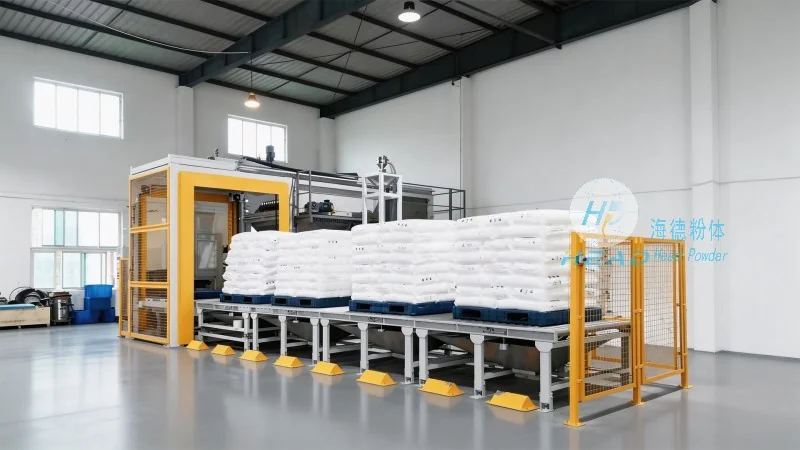
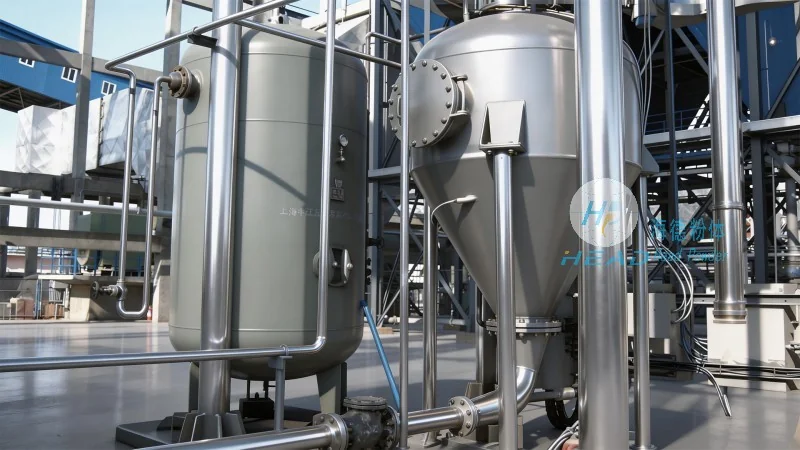
Pneumatic conveying, also known as air conveying, is a widely adopted method for transporting corundum due to its ability to handle fine to medium-sized particles while minimizing material degradation. This system operates by using compressed air to move the material through a network of pipes. There are two primary types: pressure and vacuum systems. Pressure systems push the material forward using air under pressure, while vacuum systems draw the material into the system using a vacuum. For corundum, which is abrasive and can cause wear on equipment, HeadPowder designs specialized pipelines and components to ensure durability and long-term performance. The company’s expertise in material flow dynamics allows for the optimization of air-to-material ratios, reducing energy consumption and preventing blockages. This method is particularly suitable for applications requiring long-distance transport or the handling of dust-sensitive materials.
Screw Conveyors: The Mechanical Powerhouse
Screw conveyors, or auger conveyors, are another common solution for corundum transportation, leveraging mechanical rotation to move material along a helical screw within a trough. This method is ideal for horizontal or slightly inclined transport, making it suitable for bulk handling in processing plants. HeadPowder’s screw conveyors are engineered with high-strength materials, such as stainless steel or special alloys, to withstand the abrasive nature of corundum. The design includes features like variable speed drives and adjustable pitch screws, allowing for precise control over the conveying rate. Additionally, the company incorporates wear-resistant coatings and liners to extend the service life of the equipment. Screw conveyors are particularly effective for applications where the material needs to be elevated or transferred between different levels, as they can handle vertical lifts with minimal energy input.
Belt Conveyors: The Versatile Bulk Transporter
Belt conveyors represent a classic and versatile method for corundum conveying, commonly used in mining, quarrying, and manufacturing facilities. These systems consist of a continuous belt looped over rollers, with the material placed on the belt and transported by friction. HeadPowder’s belt conveyor solutions are designed to handle high volumes of corundum, with options for wide belts and heavy-duty pulleys to support the weight of the material. The company focuses on reducing friction and wear by using high-quality rubber belts and proper tensioning mechanisms. For abrasive corundum, the conveyor belts are often reinforced with steel cords or covered with hard-wearing materials to prevent tearing or abrasion. Belt conveyors are advantageous for long-distance horizontal transport, as they can cover significant distances with minimal maintenance and are relatively simple to install and operate.
Hydraulic Conveying: The High-Pressure Alternative
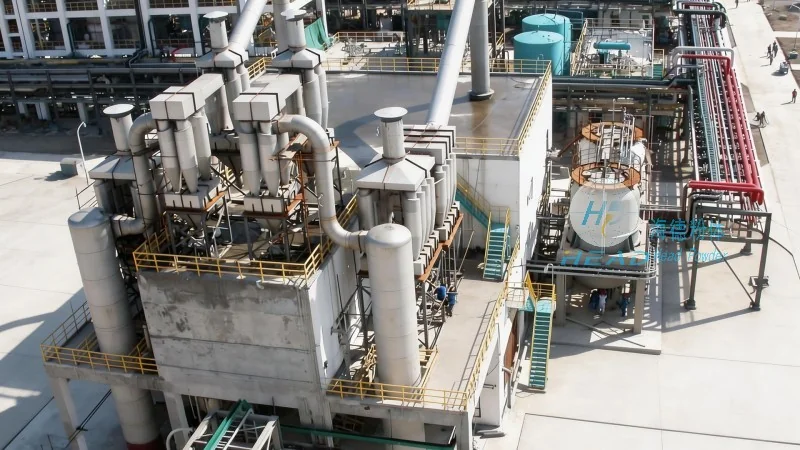
Hydraulic conveying systems utilize high-pressure water or slurry to transport corundum, particularly in applications where the material is mixed with water to form a slurry. This method is effective for handling wet or sticky corundum, as the fluid helps to keep the particles suspended and prevent clogging. HeadPowder’s hydraulic conveying solutions are engineered with robust pumps and pipelines, capable of withstanding the high pressures and abrasive nature of the slurry. The system typically involves a pump that forces the slurry through a pipeline to the destination point, where it is then separated and dried. This method is commonly used in mining operations for transporting ore, including corundum, from extraction sites to processing facilities. The advantage of hydraulic conveying lies in its ability to handle large volumes of material over long distances with consistent flow rates, though it requires careful management of water usage and slurry disposal.
Vibrating Conveyors: The Gentle Handling Option
Vibrating conveyors use mechanical vibrations to move corundum along a trough, providing a gentle and low-friction method of transportation. This system is particularly suitable for handling delicate or friable corundum particles that are prone to breakage or degradation under high pressure or abrasion. HeadPowder’s vibrating conveyors are designed with adjustable vibration frequencies and amplitudes, allowing for precise control over the material’s movement. The troughs are often lined with rubber or other soft materials to minimize impact and prevent damage to the particles. This method is ideal for applications where the material needs to be transported over short to medium distances with minimal stress, such as in processing plants where the corundum is being prepared for further treatment. Vibrating conveyors also offer the advantage of being able to handle a wide range of particle sizes and shapes without causing excessive wear on the equipment.

 Shandong Headpowder Engineering Co., Ltd.
 156-6277-7102(Quản lý Trương)
  0531-83386006
  Thành phố Tế Nam, Tỉnh Sơn Đông, Trung Quốc
Điện thoại
WeChatTư vấn
Lên đầu