Với hơn 10 năm kinh nghiệm về vận chuyển khí nén, Headpowder Sơn Đông cung cấp hệ thống, thiết bị và quạt gió toàn chuỗi, đảm nhận các dự án kỹ thuật bột trọn gói trên toàn quốc.
White carbon black powder, a vital additive in numerous industrial applications, demands efficient and reliable transportation methods to preserve consistent quality and minimize material loss. As a leading manufacturer in this field, Shandong HeadPowder Engineering Co., Ltd. specializes in providing advanced solutions for handling and transporting white carbon black powder. This article explores the primary methods used for transporting white carbon black powder, highlighting the importance of each approach in maintaining product integrity and operational efficiency.
Common Transportation Methods for White Carbon Black Powder
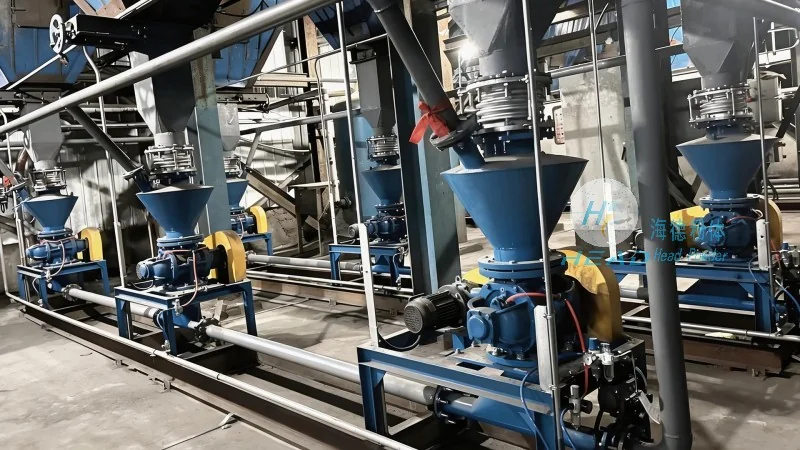
Several methods are commonly employed for the transportation of white carbon black powder, with suitability depending on factors such as operational scale, required throughput, and the powder's specific characteristics. The following are the primary approaches utilized in the industry:
Pneumatic Conveying Systems
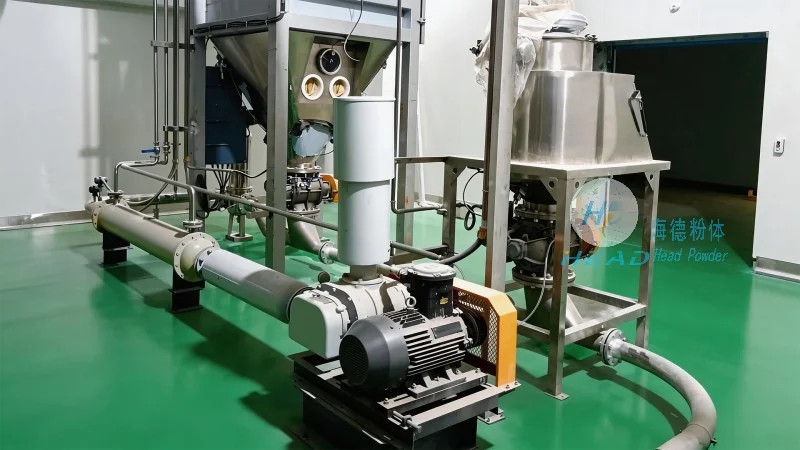
Pneumatic conveying is a widely adopted method for transporting white carbon black powder due to its effectiveness in handling fine powders with minimal material degradation. This system operates by using compressed air to move the powder through a pipeline. Two main types exist: pressure and vacuum systems. Pressure systems utilize positive pressure to push the powder forward, while vacuum systems employ negative pressure to pull it. Pneumatic conveying excels for short to medium distances and can manage high powder volumes with low maintenance needs. However, it may not be ideal for very fine powders or those with high moisture content, as these can cause blockages or reduce system efficiency.
Bucket Elevators
Bucket elevators are another common method for transporting white carbon black powder, particularly when vertical transport is required. These systems consist of a continuous belt or chain with buckets attached, lifting the powder from a lower to a higher level. Bucket elevators are recognized for their high capacity and ability to handle abrasive materials without significant wear. They are often used in bulk material handling operations, such as in chemical and food processing industries. The main advantage of bucket elevators is their reliability and low energy consumption, making them a cost-effective solution for vertical transportation of white carbon black powder.
Screw Conveyors
Screw conveyors, also known as auger conveyors, are used for horizontal or slightly inclined transport of white carbon black powder. These systems feature a rotating screw inside a tube, moving the powder along the conveyor. Screw conveyors are suitable for handling dry, free-flowing powders and can be designed to operate under different pressures. They are commonly employed in industries where the powder needs to be mixed or blended with other materials before processing. The main benefits include simplicity, low cost, and the ability to handle a wide range of powder types. However, they may not be suitable for very fine or cohesive powders, as these can cause the screw to become clogged or require additional maintenance.
Tray Conveyors
Tray conveyors are another option for transporting white carbon black powder, especially for longer distances or in controlled environments. These systems consist of a series of trays or pans moving on a track, carrying the powder from one location to another. Tray conveyors are often used in pharmaceutical and food processing industries, where hygiene and product purity are critical. They are suitable for handling sensitive powders and can be designed with varying speeds and inclinations to meet specific operational needs. The main advantage is their ability to maintain product integrity and prevent contamination, making them ideal for applications where the powder is sensitive to moisture or environmental factors.
Selection Criteria for Transportation Methods
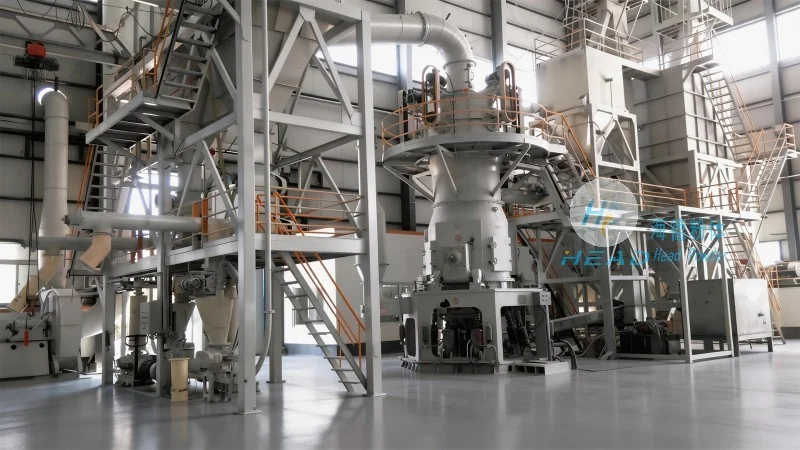
When selecting a transportation method for white carbon black powder, several factors must be considered to ensure optimal performance and cost-effectiveness. The first consideration is the operation's scale, as larger facilities may require robust systems like pneumatic conveying or bucket elevators. The second factor is the required throughput, as different methods have varying capacities. The third consideration is the powder's physical properties, such as particle size, moisture content, and flowability, which affect system choice. Additionally, the distance and facility layout, along with the need for vertical or horizontal transport, will influence the selection. Shandong HeadPowder Engineering Co., Ltd. offers customized solutions based on these criteria, ensuring clients receive the most suitable transportation system for their specific needs.
Conclusion
In conclusion, the transportation of white carbon black powder requires careful consideration of various factors to ensure efficiency, product integrity, and operational reliability. Pneumatic conveying, bucket elevators, screw conveyors, and tray conveyors are the primary methods used in the industry, each with its own advantages and limitations. By understanding the specific application requirements and consulting with experts like Shandong HeadPowder Engineering Co., Ltd., manufacturers can select the most appropriate transportation method to meet their needs. This ensures the white carbon black powder is handled safely and effectively, contributing to the overall success of industrial processes.

 Shandong Headpowder Engineering Co., Ltd.
 156-6277-7102(Quản lý Trương)
  0531-83386006
  Thành phố Tế Nam, Tỉnh Sơn Đông, Trung Quốc
Điện thoại
WeChatTư vấn
Lên đầu