Với hơn 10 năm kinh nghiệm về vận chuyển khí nén, Headpowder Sơn Đông cung cấp hệ thống, thiết bị và quạt gió toàn chuỗi, đảm nhận các dự án kỹ thuật bột trọn gói trên toàn quốc.
When it comes to the efficient and reliable transportation of polypropylene (PP) materials, various methods are employed across industrial settings. Understanding these methods is crucial for optimizing material handling processes, ensuring product quality, and enhancing operational efficiency. This article explores the primary methods used for polypropylene conveying, highlighting their applications, advantages, and considerations.
HeadPowder Engineering Co., Ltd., a leading provider in the field, specializes in the design, manufacturing, and implementation of conveying systems tailored to the unique needs of polypropylene processing. With a focus on innovation and precision, the company ensures that each conveying solution meets the highest standards of performance and durability. Based in Shandong, China, HeadPowder leverages its expertise to deliver customized solutions that address the specific challenges of polypropylene handling.
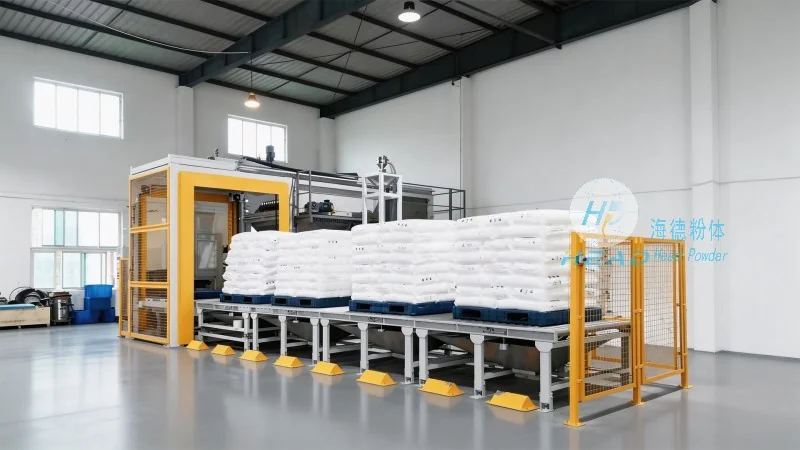
1. Pneumatic Conveying Systems
Pneumatic conveying, also known as air-powered conveying, is a widely used method for transporting polypropylene. This technique involves using compressed air to move polypropylene particles through a pipeline. There are two main types of pneumatic conveying systems: pressure and vacuum. Pressure systems use positive pressure to push material through the line, while vacuum systems use negative pressure to pull material. Pneumatic conveying is particularly effective for handling fine powders and granules, as it minimizes material degradation and contamination. The system typically includes a hopper, a conveyor line, and a receiver, with the compressed air acting as the driving force. HeadPowder Engineering Co., Ltd. offers advanced pneumatic conveying solutions that are designed to handle the specific characteristics of polypropylene, ensuring smooth and consistent material flow.
2. Screw Conveyors
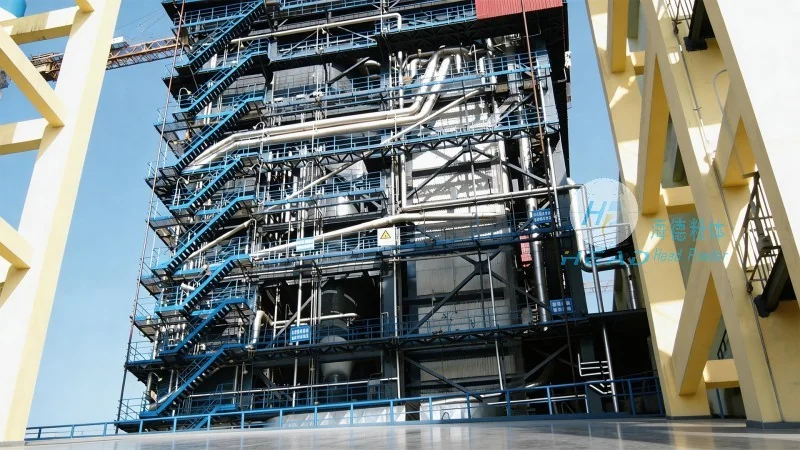
Screw conveyors, also known as auger conveyors, are another common method for polypropylene conveying. These systems use a rotating screw or auger to move material through a trough or tube. Screw conveyors are ideal for transporting bulk materials, including polypropylene pellets and granules. They are capable of handling a wide range of material types and can be configured in various orientations (horizontal, inclined, or vertical). The design of the screw conveyor, including the pitch and diameter of the screw, is critical to achieving optimal material flow. HeadPowder Engineering Co., Ltd. manufactures high-quality screw conveyors that are built to withstand the abrasive nature of polypropylene and ensure long-term reliability. These conveyors are often used in combination with other equipment, such as hoppers and feeders, to create a seamless material handling process.
3. Belt Conveyors
Belt conveyors are a versatile and cost-effective method for polypropylene conveying. These systems use a continuous belt to transport materials over a series of rollers or pulleys. Belt conveyors are suitable for both horizontal and inclined transport and can handle a wide variety of material sizes and shapes. They are commonly used in polypropylene processing plants for transporting pellets, flakes, and other forms of polypropylene. The key to efficient belt conveying is proper belt tensioning, alignment, and maintenance. HeadPowder Engineering Co., Ltd. provides custom-designed belt conveyor systems that are tailored to the specific requirements of polypropylene handling, ensuring minimal downtime and maximum productivity.
4. Hydraulic Conveying
Hydraulic conveying systems use fluid pressure to transport polypropylene materials. This method is particularly effective for handling abrasive or sticky materials, as the fluid acts as a lubricant and reduces wear on the conveying components. Hydraulic conveyors typically consist of a pump, a hydraulic line, and a conveying tube. The fluid is pumped through the tube, carrying the polypropylene particles along with it. HeadPowder Engineering Co., Ltd. offers hydraulic conveying solutions that are designed to handle the unique challenges of polypropylene, including its tendency to adhere to surfaces. These systems are often used in applications where other conveying methods may not be suitable, such as in high-temperature or high-pressure environments.
5. Vibrating Conveyors
Vibrating conveyors use vibrations to move polypropylene materials along a trough. The system consists of a conveyor trough that is mounted on a vibrating mechanism, causing the material to move forward. Vibrating conveyors are particularly effective for handling bulk materials, including polypropylene pellets and powders. They are capable of transporting materials over long distances and can be configured to handle a wide range of material sizes and shapes. The frequency and amplitude of the vibrations are critical to achieving optimal material flow. HeadPowder Engineering Co., Ltd. manufactures vibrating conveyors that are designed to handle the specific characteristics of polypropylene, ensuring smooth and consistent material transport. These conveyors are often used in combination with other equipment, such as hoppers and feeders, to create a seamless material handling process.
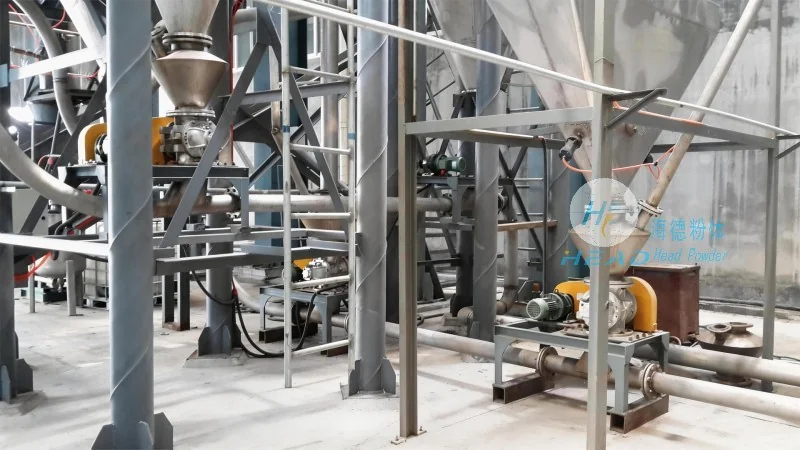
6. Combination Conveying Systems
In many industrial applications, a single conveying method may not be sufficient to meet the needs of polypropylene handling. As a result, combination conveying systems are often used. These systems integrate multiple conveying methods, such as pneumatic and screw conveyors, to create a more efficient and reliable material handling process. Combination systems are particularly useful for handling polypropylene in complex processing lines, where different stages of the process require different conveying methods. HeadPowder Engineering Co., Ltd. specializes in designing and implementing combination conveying systems that are tailored to the specific requirements of polypropylene processing. These systems are designed to maximize material flow, minimize downtime, and ensure product quality.
When selecting a polypropylene conveying method, several factors must be considered, including the material characteristics, the required capacity, the distance to be covered, and the operating environment. HeadPowder Engineering Co., Ltd. provides expert consultation to help clients choose the most appropriate conveying system for their specific needs. The company’s team of engineers works closely with clients to understand their requirements and design a customized solution that meets their performance and budgetary constraints. By leveraging its expertise and advanced technology, HeadPowder ensures that each conveying system is optimized for the efficient and reliable handling of polypropylene.
HeadPowder Engineering Co., Ltd. is committed to providing high-quality conveying solutions that enhance the performance and efficiency of polypropylene processing operations. With its focus on innovation, precision, and customer satisfaction, the company continues to be a leader in the field of polypropylene conveying. Whether you need a simple conveying system or a complex combination system, HeadPowder has the expertise and resources to deliver the solution you need. Based in Shandong, China, HeadPowder serves clients worldwide, providing reliable and efficient polypropylene conveying solutions that meet the highest standards of quality and performance.

 Shandong Headpowder Engineering Co., Ltd.
 156-6277-7102(Quản lý Trương)
  0531-83386006
  Thành phố Tế Nam, Tỉnh Sơn Đông, Trung Quốc
Điện thoại
WeChatTư vấn
Lên đầu