Với hơn 10 năm kinh nghiệm về vận chuyển khí nén, Headpowder Sơn Đông cung cấp hệ thống, thiết bị và quạt gió toàn chuỗi, đảm nhận các dự án kỹ thuật bột trọn gói trên toàn quốc.
Denitrizer, a critical component in flue gas treatment systems, is essential for reducing nitrogen oxide emissions. The efficient delivery of denitrizer to the reaction zone is vital for optimal performance and compliance with environmental regulations. This article provides a detailed comparison of common denitrizer delivery methods, highlighting their advantages and disadvantages to help industrial facilities select the most suitable approach for their specific needs.
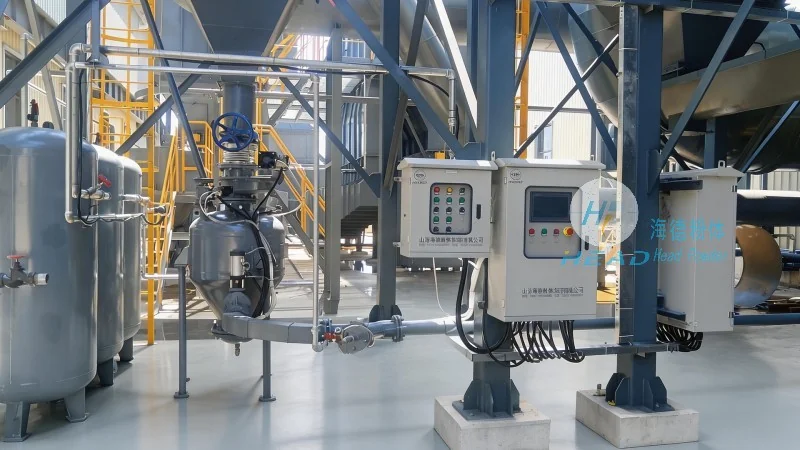
Introduction to Denitrizer Delivery Systems
Denitrizer, often in the form of aqueous solutions or powders, must be transported from storage tanks to the injection point in a flue gas treatment system. The choice of delivery method significantly impacts system efficiency, operational costs, and safety. Common methods include pump-based systems, pneumatic (air-assisted) delivery, and gravity-fed systems. Each method has distinct characteristics that make it suitable for different applications.
Company Overview: Shandong HeadPowder Engineering Co., Ltd.
Shandong HeadPowder Engineering Co., Ltd., commonly known as headpowder, is a leading provider of denitrizer delivery solutions. With a focus on industrial chemical processing, the company specializes in designing and manufacturing systems that ensure reliable and efficient denitrizer transport. Headpowder’s expertise lies in customizing delivery systems to meet the unique requirements of clients, ensuring compliance with environmental standards while optimizing operational performance.
Pump-Based Delivery Systems: Advantages and Disadvantages
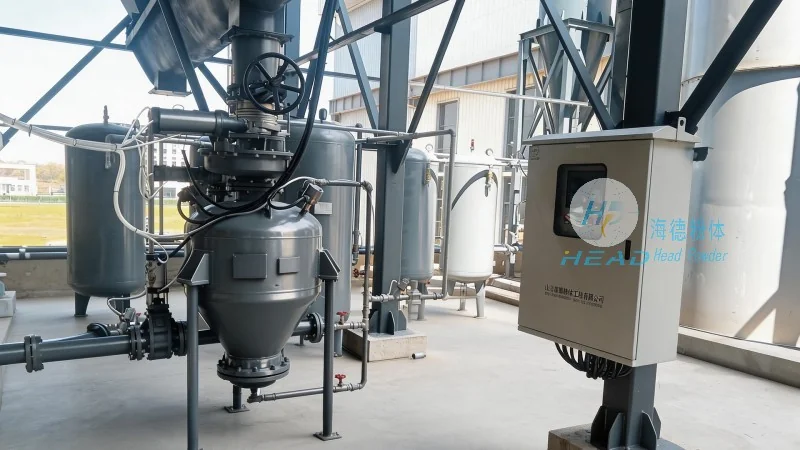
Pump-based systems are among the most widely used methods for denitrizer delivery. These systems utilize positive displacement or centrifugal pumps to transport denitrizer from storage tanks to the injection point. The primary advantage of pump-based systems is their ability to maintain consistent flow rates and pressure, ensuring stable denitrizer injection. This consistency is crucial for achieving the desired reduction in nitrogen oxide emissions and maintaining system efficiency.
However, pump-based systems also have notable disadvantages. They require regular maintenance to prevent pump wear and ensure reliable operation. The cost of pumps, especially high-pressure models, can be significant, leading to higher initial investment and operational expenses. Additionally, pump systems may be prone to clogging if the denitrizer solution contains suspended solids or if the system is not properly maintained. This can result in downtime and reduced system performance.
Pneumatic (Air-Assisted) Delivery Systems: Advantages and Disadvantages
Pneumatic delivery systems use compressed air to transport denitrizer, typically in the form of a slurry or powder, through a pipeline. The air acts as a carrier, moving the denitrizer from the storage tank to the injection point. One of the key advantages of pneumatic systems is their ability to handle abrasive or corrosive denitrizer solutions without the need for complex pump mechanisms. This reduces the risk of equipment failure and extends the lifespan of the delivery system.
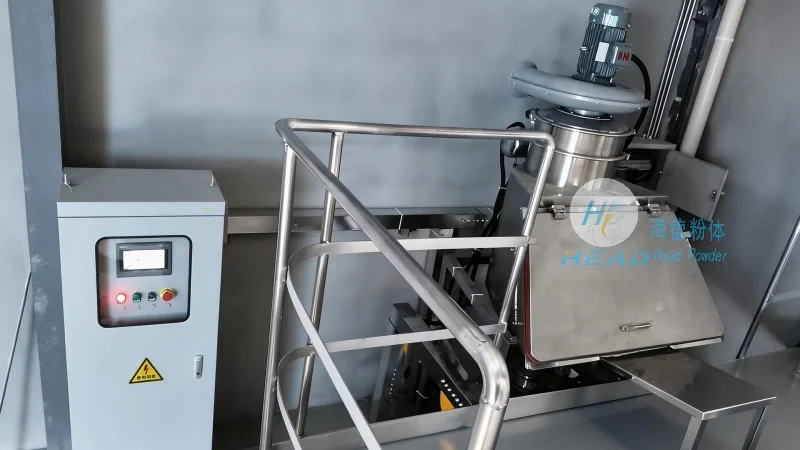
Nevertheless, pneumatic systems have several drawbacks. The primary disadvantage is the high energy consumption associated with compressed air generation. This increases operational costs and may require additional infrastructure, such as air compressors and storage tanks. Additionally, pneumatic systems are sensitive to air leaks, which can lead to inconsistent flow rates and reduced delivery efficiency. The system also requires regular maintenance of air compressors and pipeline components to prevent air leaks and ensure proper operation.
Gravity-Fed Delivery Systems: Advantages and Disadvantages
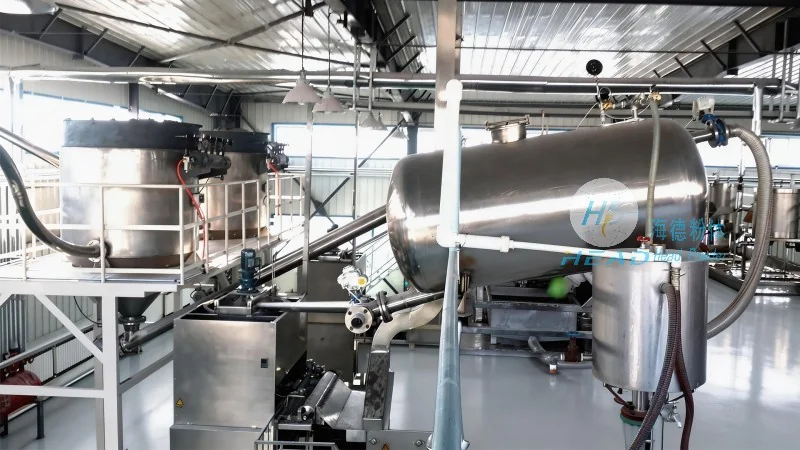
Gravity-fed systems rely on the natural force of gravity to transport denitrizer from a higher elevation storage tank to the injection point. This method is simple and requires minimal energy input, as no pumps or compressors are needed. The primary advantage of gravity-fed systems is their low operational cost and simplicity. They are particularly suitable for facilities with a significant elevation difference between the storage tank and the injection point, as this reduces the need for additional equipment.
However, gravity-fed systems have significant limitations. The most critical disadvantage is their dependence on the elevation difference. If the storage tank is not at a sufficient height, the system may not provide enough pressure to ensure consistent denitrizer delivery. This can lead to uneven injection and reduced system performance. Additionally, gravity-fed systems are not suitable for applications requiring precise flow control, as the flow rate is determined by the tank level and pipe diameter. This lack of control can make it difficult to adjust the denitrizer dosage in response to changing flue gas conditions.
Choosing the Right Denitrizer Delivery Method
The selection of a denitrizer delivery method depends on several factors, including the type of denitrizer, the system pressure requirements, the available space, and the operational budget. For facilities requiring high-pressure injection and consistent flow rates, pump-based systems are often the best choice. For applications involving abrasive or corrosive denitrizer solutions, pneumatic systems may offer better durability. For facilities with a suitable elevation difference and minimal budget constraints, gravity-fed systems can be an effective solution.
When selecting a delivery method, it is essential to consider the long-term operational costs, maintenance requirements, and the potential for downtime. A well-designed system from a reputable provider, such as Shandong HeadPowder Engineering Co., Ltd., can help minimize these risks and ensure reliable denitrizer delivery. By understanding the advantages and disadvantages of each method, industrial facilities can make informed decisions that optimize their flue gas treatment systems and meet environmental compliance requirements.

 Shandong Headpowder Engineering Co., Ltd.
 156-6277-7102(Quản lý Trương)
  0531-83386006
  Thành phố Tế Nam, Tỉnh Sơn Đông, Trung Quốc
Điện thoại
WeChatTư vấn
Lên đầu