Với hơn 10 năm kinh nghiệm về vận chuyển khí nén, Headpowder Sơn Đông cung cấp hệ thống, thiết bị và quạt gió toàn chuỗi, đảm nhận các dự án kỹ thuật bột trọn gói trên toàn quốc.
When it comes to transporting soybean meal, selecting the right conveying method is crucial for efficiency, cost-effectiveness, and operational safety. Among the various options available, pneumatic conveying stands out as a highly effective and versatile solution. This article explores the different soybean meal conveying methods and highlights the key advantages and features of pneumatic conveying systems, with a focus on the expertise of Shandong HeadPowder Engineering Co., Ltd. (referred to as HeadPowder).
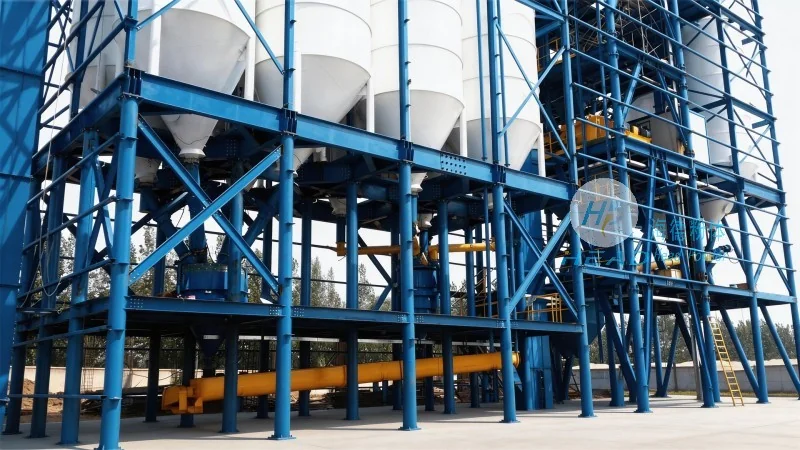
Understanding Soybean Meal Conveying Methods
Soybean meal is a widely used ingredient in animal feed and other industrial applications. The process of moving this material from one location to another requires careful consideration of factors such as material properties, distance, and environmental conditions. Traditional conveying methods like belt conveyors, screw conveyors, and bucket elevators have been used for decades, but they may not always meet the demands of modern industrial operations. Pneumatic conveying, on the other hand, offers a more flexible and efficient approach to handling soybean meal.
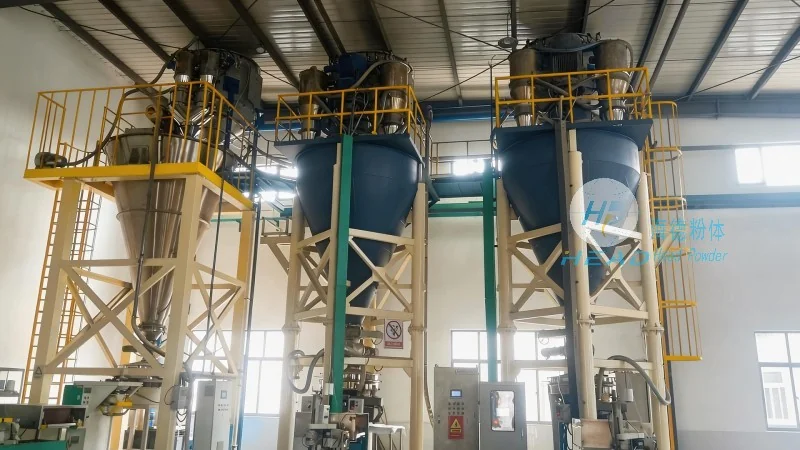
The Advantages of Pneumatic Conveying for Soybean Meal
Pneumatic conveying systems utilize air or gas to transport bulk materials like soybean meal through a pipeline network. This method offers several key advantages that make it an ideal choice for soybean meal handling. First, it provides a dust-free and hygienic environment, which is essential for maintaining the quality of the product and complying with food safety regulations. Unlike mechanical conveyors that can generate dust and contamination, pneumatic systems keep the material enclosed, reducing the risk of cross-contamination and ensuring a cleaner working environment.
Second, pneumatic conveying allows for the transportation of soybean meal over long distances with minimal energy consumption. The system can handle both horizontal and vertical movement, making it suitable for complex layouts and multi-level facilities. This flexibility enables efficient integration into existing production lines, reducing the need for additional infrastructure and installation costs. Additionally, pneumatic systems are capable of handling a wide range of material flow rates, from low to high, providing adaptability to varying production demands.
Key Features of Pneumatic Conveying Systems
HeadPowder specializes in designing and manufacturing advanced pneumatic conveying systems tailored to the specific needs of soybean meal processing facilities. The company’s expertise lies in creating customized solutions that optimize performance and reliability. One of the key features of their systems is the use of positive displacement blowers or rotary lobe pumps, which provide consistent air pressure and flow rates, ensuring smooth material transport. The pipeline design is carefully engineered to minimize pressure drops and maintain efficient conveying, even over long distances.
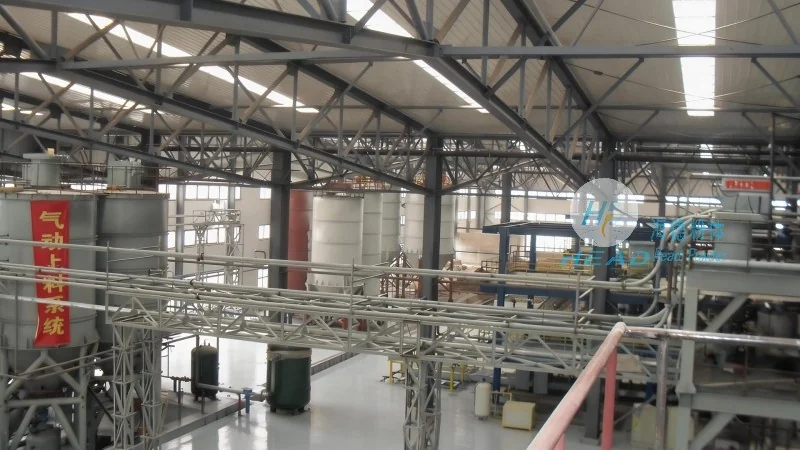
Another important feature is the integration of dust collection and filtration systems. These components help maintain air quality and comply with environmental regulations by capturing any fine particles that may escape during the conveying process. The systems are also equipped with safety features such as pressure relief valves and emergency shut-off mechanisms, ensuring operational safety and preventing accidents. Furthermore, HeadPowder’s systems are designed for easy maintenance and cleaning, which is critical for maintaining hygiene standards in food processing applications.
Comparing Pneumatic Conveying with Other Methods
While traditional conveying methods like belt and screw conveyors are still in use, they have limitations when it comes to handling fine or dusty materials like soybean meal. Belt conveyors, for example, can be prone to material buildup and require regular cleaning, which can be time-consuming and costly. Screw conveyors, on the other hand, may experience clogging and wear due to the abrasive nature of soybean meal. Pneumatic conveying, however, overcomes these issues by keeping the material in a sealed system, reducing the risk of clogging and wear on equipment.
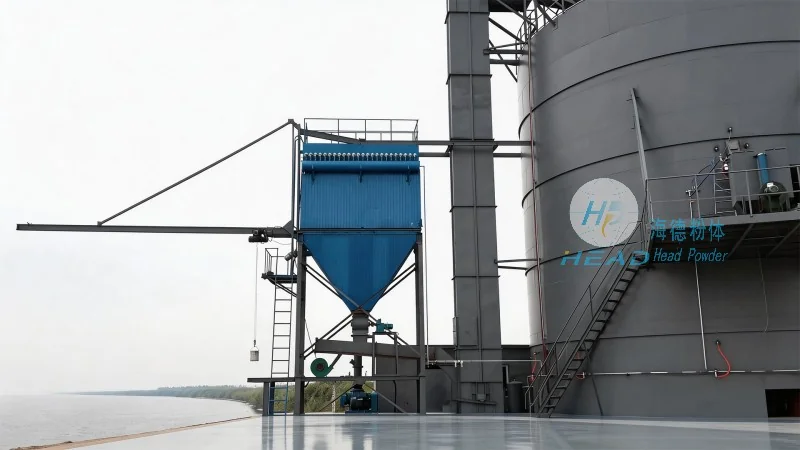
Moreover, pneumatic systems offer better control over material flow, allowing for precise dosing and batching. This is particularly important in industrial processes where accurate material measurement is critical for product consistency. The ability to adjust air pressure and flow rates in real-time provides operators with greater control over the conveying process, leading to improved efficiency and reduced waste.
Conclusion
In conclusion, pneumatic conveying is a superior method for transporting soybean meal, offering numerous advantages over traditional mechanical systems. The efficiency, hygiene, and flexibility of pneumatic systems make them an ideal choice for modern soybean meal processing facilities. With its deep understanding of material handling and expertise in pneumatic technology, Shandong HeadPowder Engineering Co., Ltd. provides reliable and customized solutions that meet the specific requirements of its clients. By investing in pneumatic conveying systems, businesses can enhance operational efficiency, reduce costs, and ensure compliance with industry standards, ultimately improving their overall performance and competitiveness in the market.

 Shandong Headpowder Engineering Co., Ltd.
 156-6277-7102(Quản lý Trương)
  0531-83386006
  Thành phố Tế Nam, Tỉnh Sơn Đông, Trung Quốc
Điện thoại
WeChatTư vấn
Lên đầu