Với hơn 10 năm kinh nghiệm về vận chuyển khí nén, Headpowder Sơn Đông cung cấp hệ thống, thiết bị và quạt gió toàn chuỗi, đảm nhận các dự án kỹ thuật bột trọn gói trên toàn quốc.
For breweries and malting operations, the efficient and reliable transport of malt is a critical factor in maintaining production quality and operational efficiency. Various methods exist for moving malt from storage to processing areas, each with distinct characteristics and applications. This article explores the different approaches to malt transport, with a particular focus on the benefits and features of pneumatic malt conveying systems, as offered by Shandong HeadPowder Engineering Co., Ltd., a leading provider in the industry.
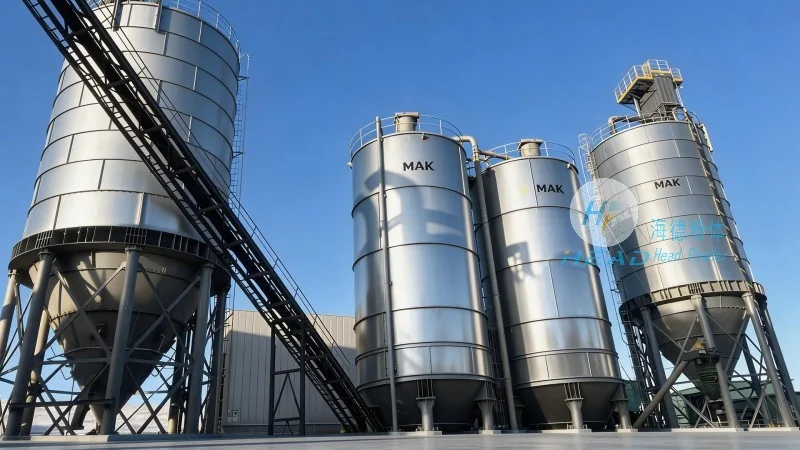
Traditional Malt Transport Methods
Historically, malt has been transported using gravity-based systems, such as chutes and inclined conveyors. These methods rely on the natural flow of malt under the influence of gravity, often requiring multiple elevation changes and storage silos to manage the material flow. While effective for certain applications, gravity systems have limitations, including the need for large storage capacities and potential for material degradation due to prolonged exposure or uneven flow. Additionally, they may not be suitable for long-distance or complex layouts, as the design is heavily dependent on the physical layout of the facility.
Mechanical Conveying Systems
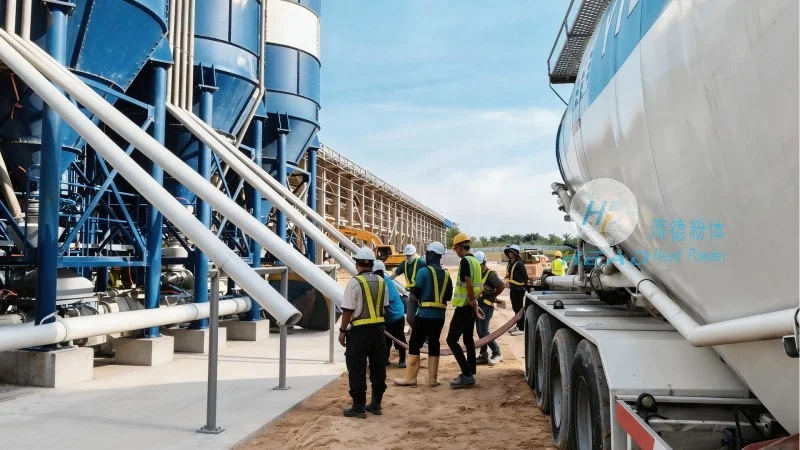
Another common approach involves mechanical conveyors, including belt conveyors, screw conveyors, and bucket elevators. These systems utilize mechanical components to move malt through the facility. Belt conveyors are widely used for horizontal and slight incline transport, while screw conveyors are effective for vertical or inclined movement, often used in combination with storage silos. Bucket elevators, on the other hand, are designed for vertical transport, lifting malt from lower to upper levels. Mechanical systems offer better control over the speed and direction of the material flow compared to gravity systems. However, they may require more maintenance, as moving parts are subject to wear and tear, and they can be less flexible in adapting to changes in production volume or layout.
Pneumatic Malt Conveying: Advantages and Features
Pneumatic malt conveying, also known as air-based transport, represents a modern and highly efficient solution for moving malt. This method uses a combination of air and pressure to transport malt particles through a network of pipes. The system typically consists of a hopper, a blower or compressor, and a series of ducts that direct the malt to its destination. One of the key advantages of pneumatic conveying is its ability to handle both fine and coarse malt particles without causing damage or degradation. The enclosed system also minimizes dust emissions, improving workplace safety and environmental compliance. Additionally, pneumatic systems offer flexibility in layout, as the ductwork can be easily reconfigured to accommodate changes in production processes or facility expansions. The speed and control of material flow are also superior, allowing for precise dosing and reduced downtime. Shandong HeadPowder Engineering Co., Ltd. specializes in designing and manufacturing custom pneumatic malt conveying systems tailored to the specific needs of breweries and malting operations, ensuring optimal performance and reliability.
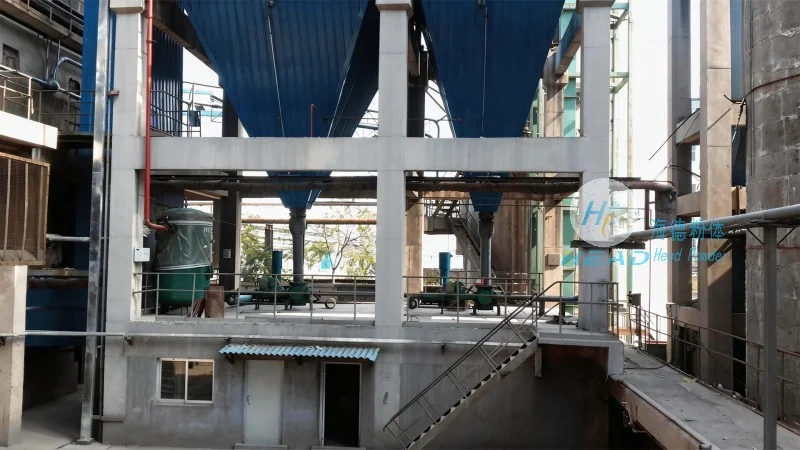
Key Features of Pneumatic Malt Conveying
When considering pneumatic malt conveying, several key features stand out as critical for operational success. First, the system's ability to handle a wide range of malt types and particle sizes without clogging or loss of material is essential. This is achieved through the use of appropriate air velocities and duct diameters, which are carefully calculated based on the specific characteristics of the malt being transported. Second, the enclosed nature of the system ensures that dust and particulate matter are contained, reducing the risk of contamination and improving air quality in the facility. This is particularly important in environments where hygiene and food safety are paramount. Third, the energy efficiency of modern pneumatic systems has improved significantly, with advanced blowers and duct designs minimizing power consumption while maintaining high transport capacity. Finally, the modular design of these systems allows for easy integration with existing equipment and processes, reducing installation time and costs.
Conclusion
In summary, the choice of malt transport method depends on various factors, including the scale of operations, facility layout, and specific production requirements. While traditional gravity and mechanical systems have their place, pneumatic malt conveying offers significant advantages in terms of efficiency, flexibility, and material handling capabilities. As a leading provider in the industry, Shandong HeadPowder Engineering Co., Ltd. offers comprehensive solutions for pneumatic malt transport, combining advanced technology with expert engineering to meet the diverse needs of breweries and malting facilities worldwide. By investing in a well-designed pneumatic conveying system, operations can enhance productivity, reduce costs, and maintain the highest standards of quality and safety.

 Shandong Headpowder Engineering Co., Ltd.
 156-6277-7102(Quản lý Trương)
  0531-83386006
  Thành phố Tế Nam, Tỉnh Sơn Đông, Trung Quốc
Điện thoại
WeChatTư vấn
Lên đầu