Với hơn 10 năm kinh nghiệm về vận chuyển khí nén, Headpowder Sơn Đông cung cấp hệ thống, thiết bị và quạt gió toàn chuỗi, đảm nhận các dự án kỹ thuật bột trọn gói trên toàn quốc.
Plastic material handling is a critical process in various industries, including manufacturing, packaging, and chemical processing. The efficient and reliable transportation of plastic materials from one location to another is essential for maintaining production efficiency and product quality. There are several methods available for plastic conveying, each with its own set of advantages and limitations. This article will explore the different types of plastic conveying methods and focus on the benefits and characteristics of pneumatic conveying, a popular and effective solution for handling plastic materials.
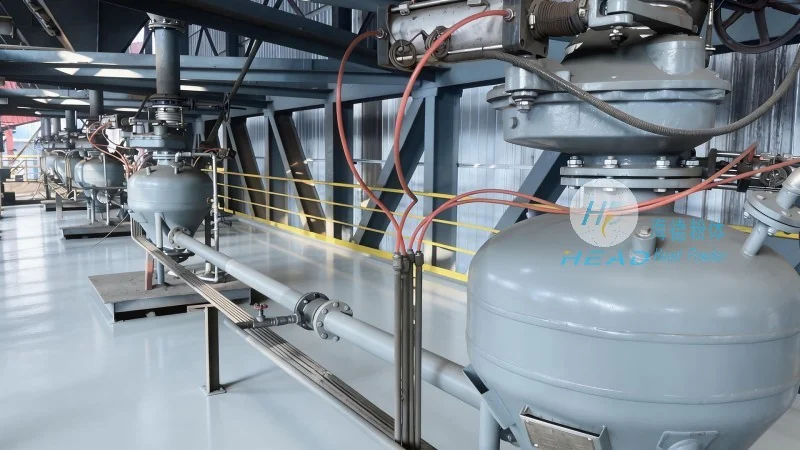
Overview of Plastic Conveying Methods
Plastic conveying involves the movement of plastic particles, pellets, or powders from a source to a destination. The primary methods used for plastic conveying include mechanical conveying (such as screw conveyors, belt conveyors, and chain conveyors), pneumatic conveying, and hydraulic conveying. Each method has distinct characteristics that make it suitable for different applications and material types.
Pneumatic Conveying: A Preferred Solution for Plastic Handling
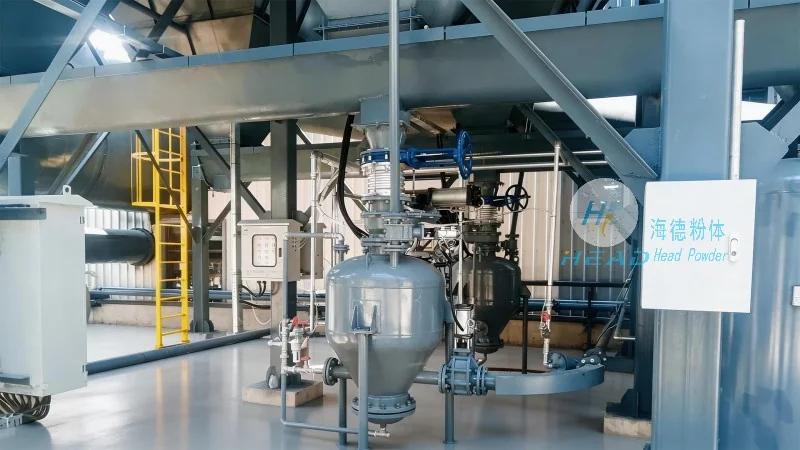
Pneumatic conveying, also known as air conveying, is a method that uses compressed air or other gases to transport plastic materials through a pipeline system. This technology offers several advantages over traditional mechanical conveying methods, making it an ideal choice for many plastic processing applications. The key benefits of pneumatic conveying for plastics include its ability to handle a wide range of plastic materials, including powders, pellets, and granules, with minimal product degradation. Additionally, pneumatic conveying systems are generally more flexible and can be easily integrated into existing production lines, allowing for changes in material flow or processing requirements without significant modifications.
Key Advantages of Pneumatic Conveying for Plastic Materials
One of the most significant advantages of pneumatic conveying for plastic materials is its ability to handle abrasive or corrosive materials without causing damage to the conveying system. The enclosed pipeline system prevents contamination and dust emissions, ensuring a clean and safe working environment. Furthermore, pneumatic conveying systems can be designed to operate at high speeds, reducing the overall conveying time and increasing production throughput. Another advantage is the ability to transport materials over long distances with minimal maintenance requirements, as the system is less prone to mechanical wear and tear compared to other conveying methods.
Features and Characteristics of Pneumatic Conveying Systems
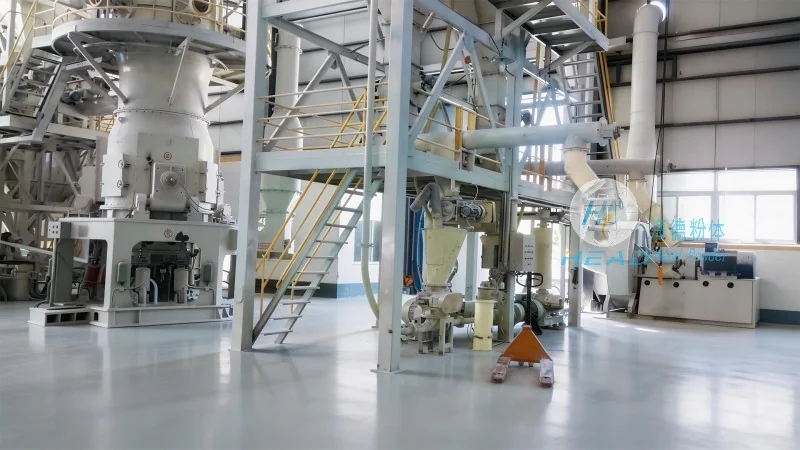
Modern pneumatic conveying systems for plastics are equipped with advanced features that enhance their performance and reliability. These systems typically include components such as air compressors, filters, and control valves that work together to ensure efficient material transport. The use of positive displacement blowers or rotary lobe pumps provides consistent air pressure, which is crucial for maintaining the flow of plastic materials through the pipeline. Additionally, many pneumatic conveying systems are equipped with monitoring and control systems that allow operators to track the material flow and adjust the system parameters as needed. This level of control helps to prevent blockages, ensure consistent material delivery, and optimize the overall conveying process.
Applications of Pneumatic Conveying in Plastic Processing
Pneumatic conveying is widely used in various applications within the plastic processing industry. For example, in the production of plastic pellets, pneumatic conveying is used to transport the pellets from the extrusion line to the storage silos or packaging equipment. In the chemical industry, pneumatic conveying is used to handle plastic powders and additives, ensuring that these materials are delivered to the processing equipment without contamination. Additionally, pneumatic conveying is used in recycling facilities to transport plastic waste from collection bins to the sorting and processing equipment. The versatility of pneumatic conveying makes it suitable for a wide range of plastic processing applications, from small-scale operations to large-scale industrial facilities.
Conclusion: The Role of Pneumatic Conveying in Modern Plastic Handling
In conclusion, pneumatic conveying is a highly effective and efficient method for handling plastic materials. Its ability to transport a wide range of plastic products with minimal product degradation, combined with its flexibility and reliability, makes it a preferred choice for many industries. As the demand for plastic materials continues to grow, the importance of efficient conveying systems will only increase. Companies like Shandong HeadPowder Engineering Co., Ltd. specialize in providing high-quality pneumatic conveying solutions tailored to the specific needs of plastic processing facilities. By investing in advanced pneumatic conveying systems, plastic manufacturers can improve their production efficiency, reduce costs, and ensure the quality of their products.

 Shandong Headpowder Engineering Co., Ltd.
 156-6277-7102(Quản lý Trương)
  0531-83386006
  Thành phố Tế Nam, Tỉnh Sơn Đông, Trung Quốc
Điện thoại
WeChatTư vấn
Lên đầu