Với hơn 10 năm kinh nghiệm về vận chuyển khí nén, Headpowder Sơn Đông cung cấp hệ thống, thiết bị và quạt gió toàn chuỗi, đảm nhận các dự án kỹ thuật bột trọn gói trên toàn quốc.
When it comes to transporting pigments, selecting the right method is crucial for ensuring efficiency, safety, and cost-effectiveness in industrial operations. Various techniques are available, each with its own set of characteristics and applications. This article explores the different types of pigment conveying methods, with a particular focus on the advantages and features of pneumatic conveying, a widely used approach in the industry.
Pigment Conveying Methods: An Overview
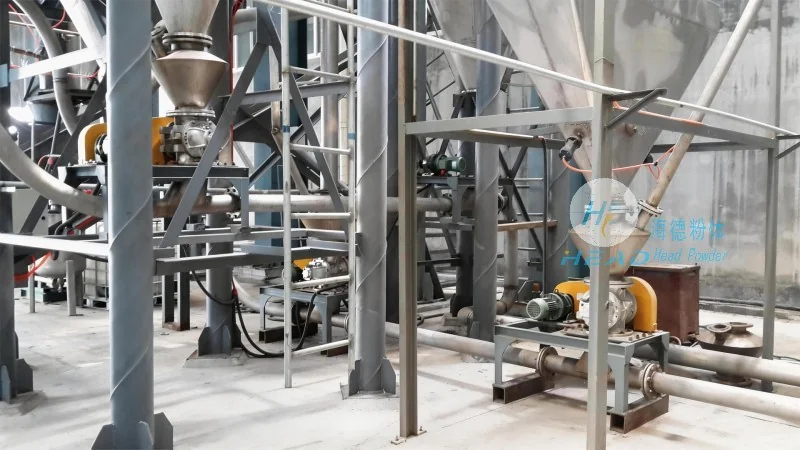
Pigment conveying involves the movement of pigment powders from one location to another within a manufacturing or processing facility. The primary goal is to achieve reliable, consistent, and safe transport of these materials, which are often fine particles that can be challenging to handle due to their size, density, and potential for dust generation. Traditional methods include mechanical conveyors such as belt conveyors, screw conveyors, and bucket elevators. However, these systems may face limitations when dealing with highly abrasive or sensitive pigments, as they can cause material degradation or equipment wear.
Pneumatic Conveying: A Comprehensive Analysis
Pneumatic conveying, also known as air conveying, is a method that uses compressed air or other gases to transport bulk materials like pigments through a pipeline system. This technique offers several advantages over traditional mechanical conveyors, making it a preferred choice for many industries. The key benefits include the ability to handle a wide range of pigment types, including fine powders and granules, without the need for mechanical contact. This reduces the risk of material contamination and degradation, which is critical for maintaining the quality of pigments used in applications such as coatings, inks, and plastics.
One of the most significant advantages of pneumatic conveying is its flexibility in system design. It can be configured as a dilute-phase or dense-phase system, depending on the specific requirements of the pigment and the distance it needs to be transported. Dilute-phase systems use low air-to-material ratios, suitable for short distances and low material volumes, while dense-phase systems employ higher air-to-material ratios, ideal for longer distances and higher material loads. This adaptability allows companies to tailor the conveying system to their unique operational needs, optimizing both performance and cost.
Key Features and Benefits of Pneumatic Conveying for Pigments
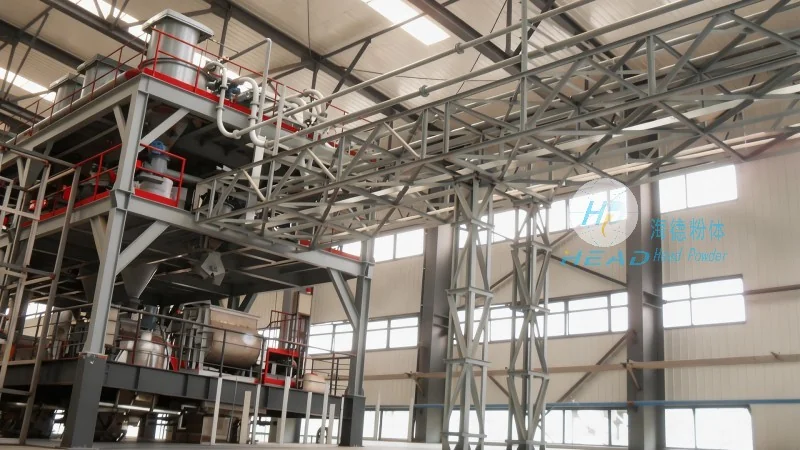
For pigment manufacturers and processors, pneumatic conveying provides a number of key features that enhance operational efficiency and product quality. Firstly, it offers a dust-free and enclosed transport process, which minimizes the risk of environmental contamination and ensures compliance with safety regulations. This is particularly important for pigments that are sensitive to moisture or air exposure, as exposure can alter their color and performance characteristics.
Secondly, pneumatic conveying systems are generally more compact and space-efficient compared to traditional mechanical conveyors. This is beneficial for facilities with limited floor space, as the pipeline system can be installed vertically or horizontally to fit within existing layouts. The reduced footprint also contributes to lower installation and maintenance costs, as fewer components are required to achieve the same conveying capacity.
Thirdly, the technology allows for precise control over the conveying process. By adjusting the air pressure, flow rate, and material feed rate, operators can maintain consistent material flow rates and prevent issues such as clogging or blockages. This level of control is essential for maintaining the integrity of the pigment particles and ensuring that the final product meets the required specifications.
Applications and Use Cases
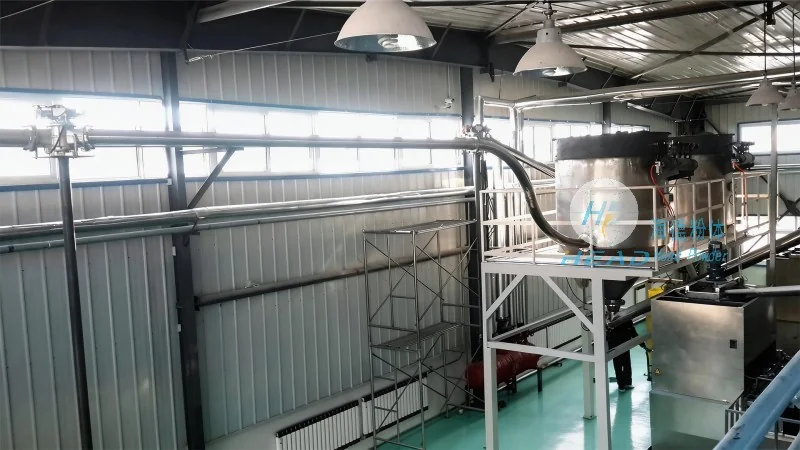
Pneumatic conveying is widely used in various industries that rely on pigments, including the paint and coatings industry, the printing industry, the plastics industry, and the pharmaceutical industry. In the paint industry, for example, pneumatic systems are used to transport pigments from storage silos to mixing and manufacturing lines, ensuring a consistent and uniform blend of colors. In the printing industry, these systems help in delivering ink pigments to printing presses, maintaining the quality and consistency of printed materials. The plastics industry also benefits from pneumatic conveying, as it allows for the efficient transport of color concentrates and masterbatch materials, which are essential for producing colored plastics.
Conclusion
Choosing the right pigment conveying method is a critical decision for any company involved in the production or processing of pigments. While traditional mechanical conveyors have their place, pneumatic conveying offers a superior solution for many applications, particularly those requiring high levels of material quality and process control. The advantages of pneumatic conveying, including its ability to handle fine powders, minimize contamination, and provide flexible system design, make it an attractive option for modern industrial operations.
As a leading provider of pigment processing solutions, Shandong HeadPowder Engineering Co., Ltd. specializes in designing and manufacturing advanced pneumatic conveying systems tailored to the specific needs of pigment manufacturers. With years of experience in the industry, the company has developed a deep understanding of the unique challenges associated with pigment handling and has developed innovative solutions to address them. Based in Shandong, China, HeadPowder Engineering is committed to delivering high-quality, reliable, and efficient conveying systems that help its clients optimize their operations and improve their product quality.

 Shandong Headpowder Engineering Co., Ltd.
 156-6277-7102(Quản lý Trương)
  0531-83386006
  Thành phố Tế Nam, Tỉnh Sơn Đông, Trung Quốc
Điện thoại
WeChatTư vấn
Lên đầu