Với hơn 10 năm kinh nghiệm về vận chuyển khí nén, Headpowder Sơn Đông cung cấp hệ thống, thiết bị và quạt gió toàn chuỗi, đảm nhận các dự án kỹ thuật bột trọn gói trên toàn quốc.
When it comes to handling and transporting dust and powders in industrial settings, selecting the right conveying method is crucial for efficiency, safety, and operational reliability. Various dust conveying technologies exist, each with its own set of applications and characteristics. This article explores the different types of dust conveying methods, with a particular focus on the advantages and features of pneumatic dust conveying, as offered by Shandong HeadPowder Engineering Co., Ltd., a leading provider in the field.
HeadPowder, based in Shandong, China, specializes in engineering solutions for material handling and dust management. The company's expertise lies in designing and manufacturing efficient dust conveying systems that meet the diverse needs of industries such as pharmaceuticals, food processing, chemical manufacturing, and more. By understanding the different dust conveying methods, businesses can make informed decisions to optimize their material handling processes and enhance overall productivity.
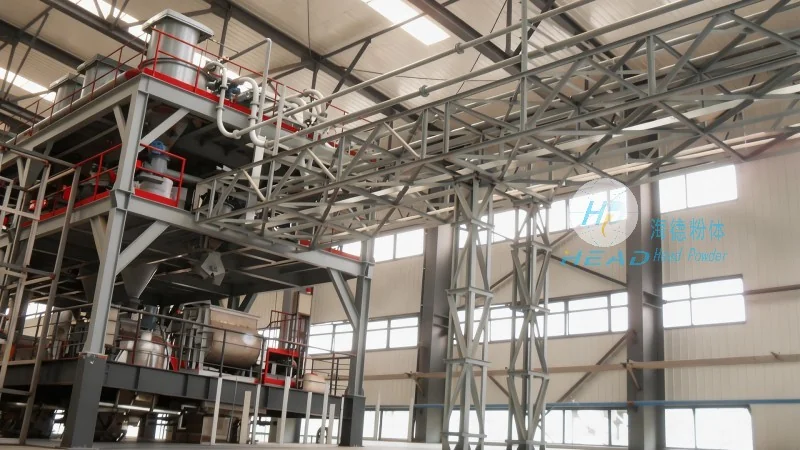
Different Types of Dust Conveying Methods
There are primarily two main categories of dust conveying systems: mechanical and pneumatic. Mechanical conveying methods rely on physical force, such as gravity or mechanical components like belts, screws, or buckets, to move materials. These systems are often suitable for bulk materials and can be more cost-effective for certain applications. However, they may face limitations in terms of distance, material properties, and maintenance requirements.
Pneumatic dust conveying, on the other hand, uses air pressure to transport powders and dust particles. This method is particularly effective for fine powders and can handle materials over long distances with minimal loss. Pneumatic systems are known for their flexibility, as they can be adapted to various layouts and can transport materials through vertical or horizontal paths. Additionally, these systems are generally more hygienic and can be integrated with other processing equipment without the need for additional transfer points.
The Advantages of Pneumatic Dust Conveying
One of the key advantages of pneumatic dust conveying is its ability to handle fine and abrasive powders without causing degradation or contamination. The system uses compressed air to create a flow that carries the dust particles through the pipeline, ensuring that the material remains intact and free from damage. This is particularly important in industries where product quality and purity are paramount, such as in the pharmaceutical and food sectors.
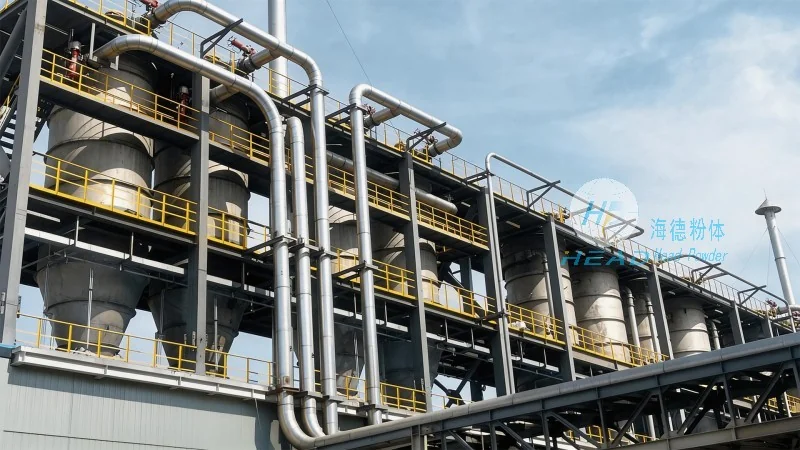
Another significant benefit is the flexibility and scalability of pneumatic systems. They can be easily modified or expanded to accommodate changing production volumes or process requirements. The modular design allows for the addition of new components or the reconfiguration of the conveying line without disrupting the entire system. This adaptability makes pneumatic dust conveying a cost-effective solution for businesses that anticipate growth or need to adjust their operations frequently.
Efficiency and speed are also major advantages of pneumatic dust conveying. The system can transport materials at high velocities, reducing the time required for material transfer and improving overall process throughput. This is especially beneficial in high-volume production environments where quick and reliable material handling is critical. Furthermore, pneumatic systems can be integrated with automation and control systems, allowing for real-time monitoring and adjustment of the conveying process to maintain optimal performance.
Key Features of Pneumatic Dust Conveying Systems
Shandong HeadPowder Engineering Co., Ltd. offers advanced pneumatic dust conveying systems that incorporate several key features to enhance performance and reliability. One of the primary features is the use of high-quality materials and components that are resistant to corrosion and wear, ensuring long-term durability and minimal maintenance. The company's systems are designed with precision-engineered parts, such as air filters, cyclones, and dust collectors, which work together to maintain consistent air pressure and particle separation.
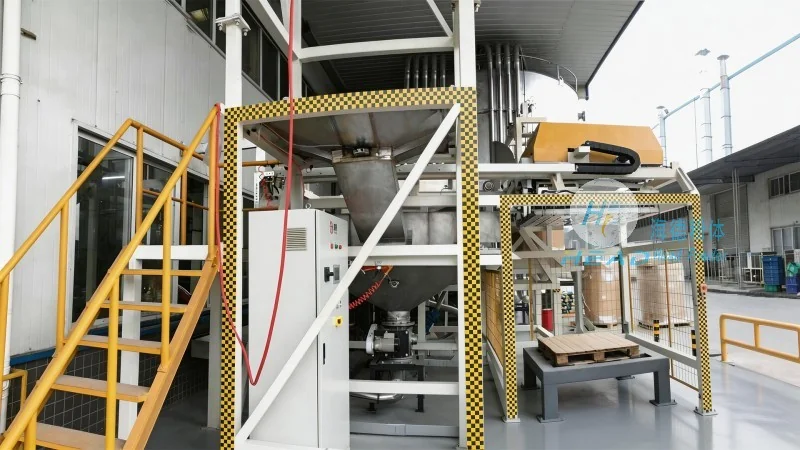
Another important feature is the integration of advanced control technologies. Modern pneumatic systems often include sensors and monitoring devices that provide real-time data on system performance, including air pressure, flow rate, and particle concentration. This allows operators to detect and address issues promptly, preventing downtime and ensuring continuous operation. The control systems can also be programmed to adjust parameters automatically, optimizing the conveying process based on the material being transported and the system's current conditions.
The company's pneumatic dust conveying solutions also prioritize safety and compliance with industry standards. The systems are designed to minimize the risk of dust explosions and other hazards by incorporating explosion-proof components and proper ventilation. Additionally, the equipment is constructed to meet international safety regulations, providing peace of mind to businesses operating in regulated environments. This commitment to safety and compliance makes HeadPowder's systems suitable for a wide range of applications, from small-scale operations to large industrial facilities.
Conclusion
In conclusion, the choice of dust conveying method depends on the specific requirements of the application, including material properties, distance, and operational constraints. While mechanical conveying methods have their place, pneumatic dust conveying offers significant advantages in terms of flexibility, efficiency, and material handling capabilities. Shandong HeadPowder Engineering Co., Ltd. provides comprehensive solutions for pneumatic dust conveying, leveraging advanced technology and engineering expertise to deliver systems that meet the needs of diverse industries. By selecting the right dust conveying method and partnering with a reputable provider like HeadPowder, businesses can enhance their material handling processes, improve productivity, and ensure long-term operational success.

 Shandong Headpowder Engineering Co., Ltd.
 156-6277-7102(Quản lý Trương)
  0531-83386006
  Thành phố Tế Nam, Tỉnh Sơn Đông, Trung Quốc
Điện thoại
WeChatTư vấn
Lên đầu