Với hơn 10 năm kinh nghiệm về vận chuyển khí nén, Headpowder Sơn Đông cung cấp hệ thống, thiết bị và quạt gió toàn chuỗi, đảm nhận các dự án kỹ thuật bột trọn gói trên toàn quốc.
When it comes to managing the transport of phosphate iron materials in industrial settings, selecting the appropriate pneumatic conveying system is crucial for efficiency, reliability, and cost-effectiveness. The right system can significantly improve material handling operations while minimizing downtime and maintenance costs. This guide will help you understand the key factors to consider when choosing a pneumatic conveying system tailored to your phosphate iron processing needs.
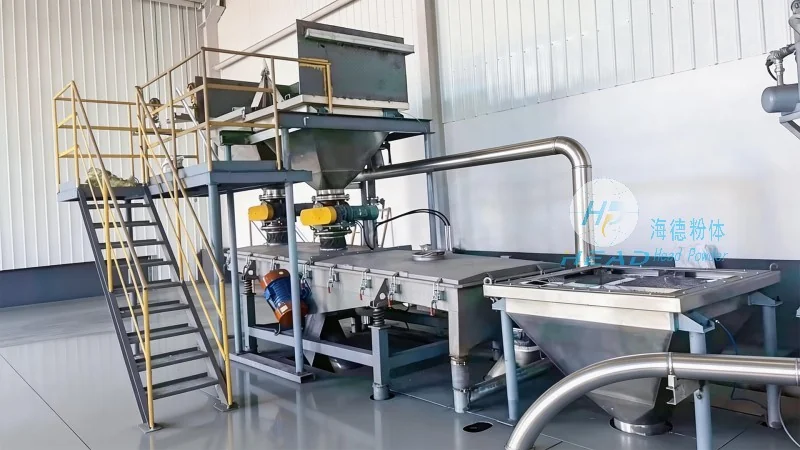
About HeadPowder Engineering
HeadPowder, a leading provider of material handling solutions, specializes in designing and manufacturing customized pneumatic conveying systems. With years of experience in the industry, our team at Shandong HeadPowder Engineering Co., Ltd. understands the unique challenges associated with transporting phosphate iron materials. Our solutions are engineered to meet the specific requirements of your processing facility, ensuring optimal performance and durability.
Key Considerations for Choosing a Pneumatic Conveying System
Several critical factors must be evaluated when selecting a pneumatic conveying system for phosphate iron applications. The first consideration is the material characteristics, including particle size, density, and moisture content. Phosphate iron powders often have specific flow properties that affect how they behave in a conveying system. Understanding these properties helps in determining the appropriate system type—such as pressure or vacuum systems, or a combination of both.
Another important factor is the system capacity and throughput requirements. The conveying system must be capable of handling the desired flow rate without compromising material quality or causing excessive pressure drops. This involves assessing the production volume and the distance over which materials need to be transported. HeadPowder offers systems that can be scaled to meet varying capacity needs, from small-scale laboratory applications to large industrial operations.
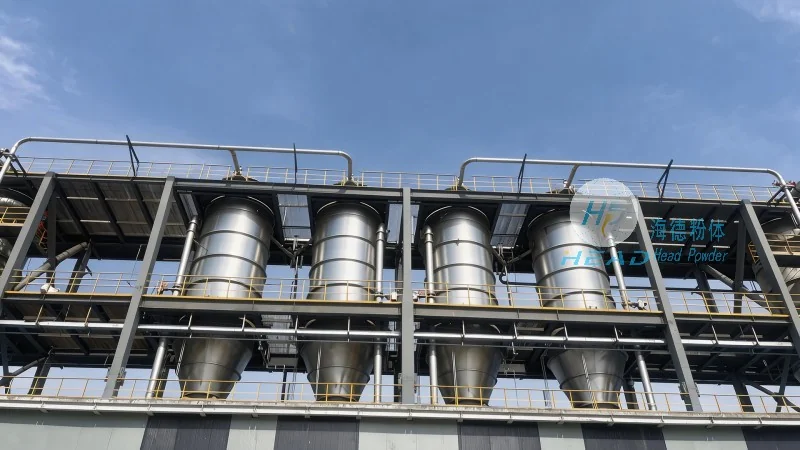
System reliability and maintenance are also paramount. Phosphate iron materials can be abrasive and may cause wear on system components. Therefore, selecting a system with durable materials of construction and robust design is essential. Our systems incorporate high-quality components, such as stainless steel or specialized alloys, to withstand the corrosive and abrasive nature of phosphate iron powders. Additionally, features like easy access for maintenance and cleaning help reduce downtime and operational costs.
Types of Pneumatic Conveying Systems for Phosphate Iron
There are several types of pneumatic conveying systems suitable for phosphate iron transport, each with its own advantages and applications. The most common types include pressure systems, vacuum systems, and hybrid systems.
Pressure systems use compressed air or gas to push material through the conveying line. These systems are ideal for long-distance transport and can handle abrasive materials effectively. They typically operate at higher pressures, which can result in higher energy consumption but offer greater flexibility in material handling. HeadPowder’s pressure conveying systems are designed to deliver consistent performance, even with challenging phosphate iron powders.
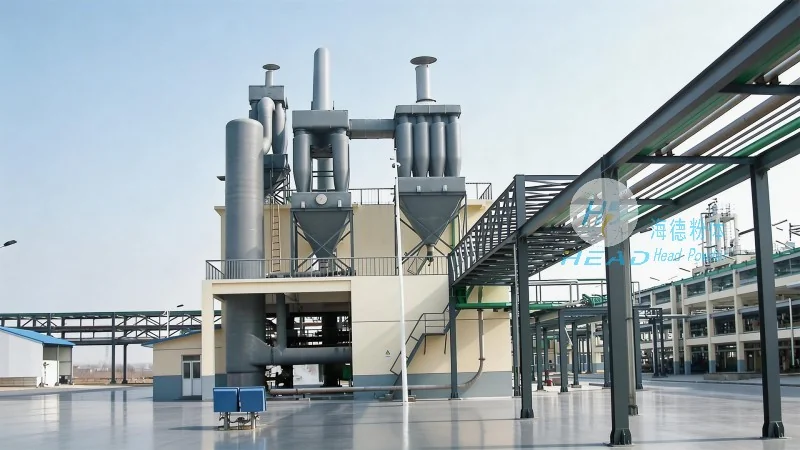
Vacuum systems, on the other hand, use suction to draw material into the conveying line. These systems are suitable for shorter distances and are often used for collecting materials from multiple points. They are generally more energy-efficient than pressure systems and can be less expensive to install. However, they may have limitations in handling highly abrasive or dense materials, as the suction force may not be sufficient to move them efficiently.
Hybrid systems combine elements of both pressure and vacuum systems, offering flexibility in material handling. They can be used for both long-distance transport and material collection, making them suitable for complex processing lines. HeadPowder’s hybrid solutions provide the best of both worlds, allowing for efficient and reliable transport of phosphate iron materials across various operational scenarios.
Design and Installation Considerations
The design and installation of a pneumatic conveying system for phosphate iron must consider several technical aspects to ensure optimal performance. One key consideration is the system layout and piping design. The layout should minimize bends and restrictions to reduce pressure drop and maintain material flow. Properly sized ductwork and appropriate fittings are essential to prevent material buildup and ensure smooth operation.
Material selection for system components is another critical factor. Phosphate iron powders can be corrosive or abrasive, so components such as hoppers, cyclones, and ducts must be made from materials that can withstand these conditions. Stainless steel, high-density polyethylene, or specialized alloys are commonly used in our systems to ensure longevity and reliability. Additionally, features like wear-resistant liners and anti-static coatings help protect against material degradation and improve safety.
Control systems and automation are also important for efficient operation. Modern pneumatic conveying systems often include advanced control panels and sensors that monitor pressure, flow, and material levels. These systems can be integrated with the overall processing line to provide real-time data and alerts, helping to prevent issues before they become major problems. HeadPowder’s systems are equipped with user-friendly control interfaces and can be customized to fit your existing automation infrastructure.
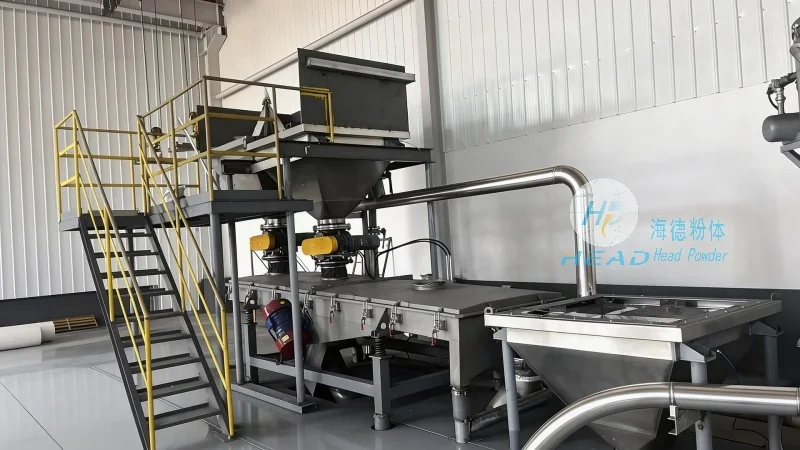
Maintenance and Performance Optimization
Regular maintenance is essential to ensure the long-term performance and reliability of a pneumatic conveying system for phosphate iron. HeadPowder recommends routine inspections and cleaning to prevent material buildup and maintain system efficiency. Our systems are designed with easy access points for maintenance, allowing for quick and efficient servicing. Additionally, we provide comprehensive maintenance plans and technical support to help you keep your system running at peak performance.
Performance optimization is another key aspect of maintaining a reliable system. By monitoring system parameters such as pressure drop, flow rate, and material temperature, you can identify areas for improvement and implement adjustments to enhance efficiency. HeadPowder’s technical team can assist with performance analysis and provide recommendations for system upgrades or modifications to meet changing operational needs.
Conclusion and Contact Information
Choosing the right pneumatic conveying system for your phosphate iron transport process is a critical decision that can impact the efficiency and profitability of your operations. With the expertise and experience of Shandong HeadPowder Engineering Co., Ltd., you can be confident in selecting a system that meets your specific requirements. Our team at HeadPowder is dedicated to providing customized solutions that deliver reliable performance and long-term value. For more information about our pneumatic conveying systems or to discuss your specific needs, please contact us at our office in Shandong, China.

 Shandong Headpowder Engineering Co., Ltd.
 156-6277-7102(Quản lý Trương)
  0531-83386006
  Thành phố Tế Nam, Tỉnh Sơn Đông, Trung Quốc
Điện thoại
WeChatTư vấn
Lên đầu