Với hơn 10 năm kinh nghiệm về vận chuyển khí nén, Headpowder Sơn Đông cung cấp hệ thống, thiết bị và quạt gió toàn chuỗi, đảm nhận các dự án kỹ thuật bột trọn gói trên toàn quốc.
For the chemical industry, soda ash (sodium carbonate, Na₂CO₃) is a crucial basic chemical raw material, playing key roles in glass manufacturing, papermaking, textile, food, and other fields. Ensuring the stable and efficient transportation of soda ash is an indispensable part of industrial production processes. Different transportation methods have their own merits and demerits, and enterprises need to choose the most suitable method based on factors such as production scale, product characteristics, cost budget, and safety requirements. This article delves into several common soda ash transportation methods and analyzes their advantages and disadvantages to provide valuable references for relevant enterprises.
This content is prepared by Shandong HeadPowder Engineering Co., Ltd. (Shandong HeadPowder Engineering Co., Ltd., hereinafter referred to as HeadPowder), a professional enterprise specializing in chemical equipment and transportation solutions. HeadPowder is committed to providing customers with efficient and reliable soda ash transportation systems. The company is located in Shandong, China, with rich industry experience and advanced technical support, offering customized chemical transportation services to customers worldwide.
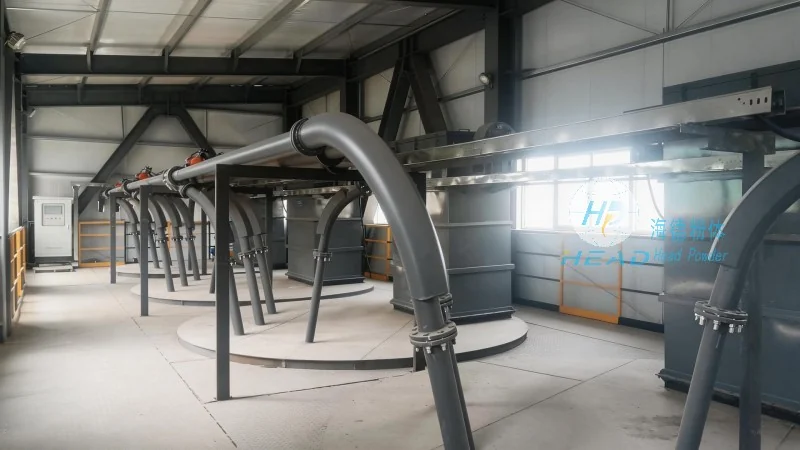
1. Pipeline Transportation: Continuous and Stable, Suitable for Large-Scale Production
Pipeline transportation is one of the most commonly used methods for large-scale soda ash production. Through specially designed corrosion-resistant pipelines, soda ash solutions or solid particles are transported from production equipment to storage or usage points. This method features continuity, stability, and high automation, meeting the needs of high-yield production. The pipeline transportation system typically includes pumps, valves, filters, and other key equipment to ensure smooth and safe operation. Its advantages lie in the ability to achieve 24-hour uninterrupted transportation, reducing manual intervention and improving production efficiency. Additionally, pipeline transportation can reduce material contact with the outside environment, lowering pollution risks and maintaining product purity. However, the initial investment for pipeline transportation is relatively high, requiring the laying of long-distance pipelines, and maintenance costs are also relatively high. For enterprises that need to frequently adjust transportation routes or have small transportation volumes, pipeline transportation may not be the best choice.
2. Tank Truck Transportation: Flexible and Mobile, Suitable for Medium and Short-Distance Transportation
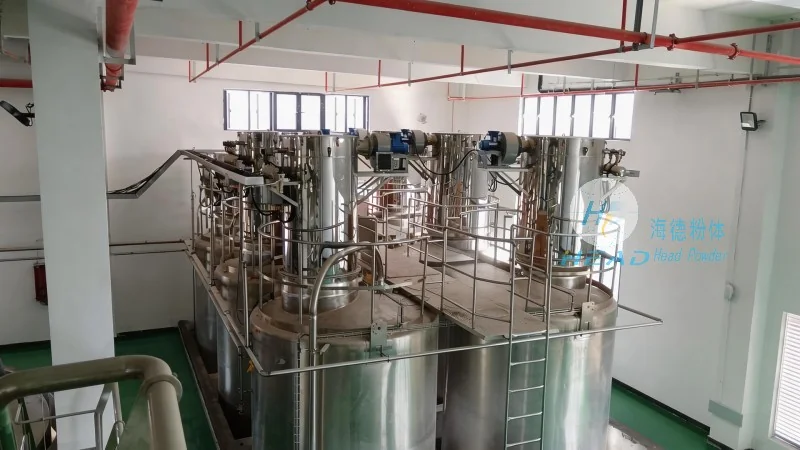
Tank truck transportation is a common method for medium and short-distance transportation of soda ash. Tank trucks are typically corrosion-resistant metal containers that can safely transport liquid or slurry soda ash. This method is characterized by flexibility and mobility, allowing quick response to market demands and transporting soda ash from production sites to various users or storage points. The advantages of tank truck transportation include the ability to cover a wide geographical range, not being limited by fixed pipelines, and being suitable for the transportation needs of small and medium-sized enterprises. Additionally, the equipment for tank truck transportation is relatively simple, with low initial investment and easy maintenance. However, tank truck transportation has certain safety risks, such as leakage and explosion, requiring strict operating procedures and regular inspections. Moreover, the loading capacity of tank trucks is limited, which may not be stable for long-term supply of large-scale production enterprises. Furthermore, tank truck transportation is affected by traffic conditions, which may impact transportation efficiency.
3. Packaging Transportation: Convenient and Safe, Suitable for Small Batch or Special Scenarios
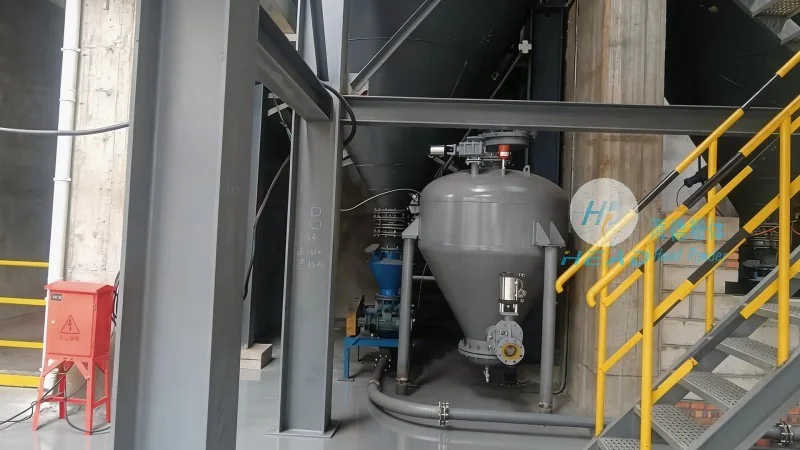
Packaging transportation is mainly used for the transportation of small batches of soda ash or for special scenarios, such as laboratory use or material replenishment for small-scale production lines. Common packaging forms include plastic bags, cardboard boxes, and barrels, with the appropriate packaging materials selected based on the form of soda ash (solid or liquid). The advantages of packaging transportation lie in its convenience and flexibility, meeting the needs of different users. For example, for laboratories or small enterprises that need small amounts of soda ash, packaging transportation can provide immediate material supply. Additionally, the equipment is simple, with low cost and easy operation. However, packaging transportation has a limited loading capacity, making it unsuitable for long-term supply of large-scale production enterprises. For solid soda ash, packaging transportation may cause dust scattering, requiring dust prevention measures. For liquid soda ash, packaging transportation needs to consider the sealing and corrosion resistance of containers to prevent leakage. Furthermore, the transportation cost of packaging transportation is relatively high, making it uneconomical for large-scale transportation.
4. Other Transportation Methods: Such as Pneumatic Conveying and Screw Conveying
Besides the commonly used transportation methods mentioned above, there are also other methods for soda ash transportation, such as pneumatic conveying and screw conveying. Pneumatic conveying blows soda ash particles to the destination through compressed air, suitable for transporting powder or fine particles of soda ash. This method has the advantages of simple equipment and low initial investment, suitable for the needs of small-scale production enterprises. However, the transportation efficiency of pneumatic conveying is relatively low, and dust generation is prone, requiring additional dust removal equipment. Screw conveying pushes soda ash to the designated position through the rotation of screw blades, suitable for transporting solid particles. The advantages of screw conveying lie in its simple structure and easy operation, enabling continuous transportation. However, the transportation capacity of screw conveying is limited, which may not be efficient for large-scale production, and it is prone to blockages.
How to Choose the Right Soda Ash Transportation Method?
When choosing a soda ash transportation method, enterprises should consider the following factors: first, production scale and output. Large-scale production is usually suitable for pipeline transportation, while small and medium-scale production can consider tank truck or packaging transportation. Second, product form and characteristics. Liquid soda ash may be more suitable for pipeline or tank truck transportation, while solid soda ash may require packaging or pneumatic conveying. Third, cost budget. Initial investment and maintenance costs are important factors to consider. Pipeline transportation has a relatively high initial investment but may be more economical in the long run; tank truck and packaging transportation have lower initial investments but higher transportation costs. Fourth, safety requirements. Soda ash has certain corrosive and toxic properties, and the safety of equipment and operator protection during transportation is crucial. Fifth, geographical factors. The geographical conditions of the enterprise's location, such as the distance from users or storage points, may affect the choice of transportation method. For example, a long distance may require tank truck or packaging transportation, while a short distance may consider pipeline transportation.

 Shandong Headpowder Engineering Co., Ltd.
 156-6277-7102(Quản lý Trương)
  0531-83386006
  Thành phố Tế Nam, Tỉnh Sơn Đông, Trung Quốc
Điện thoại
WeChatTư vấn
Lên đầu