Với hơn 10 năm kinh nghiệm về vận chuyển khí nén, Headpowder Sơn Đông cung cấp hệ thống, thiết bị và quạt gió toàn chuỗi, đảm nhận các dự án kỹ thuật bột trọn gói trên toàn quốc.
For industrial facilities dealing with fly ash, selecting the right conveying method is crucial for efficiency, cost-effectiveness, and operational safety. Fly ash, a byproduct of coal combustion, requires reliable transport from the source to storage or disposal sites. This article provides a detailed comparison of common fly ash conveying methods, highlighting their advantages and disadvantages to help industrial operators make informed decisions.
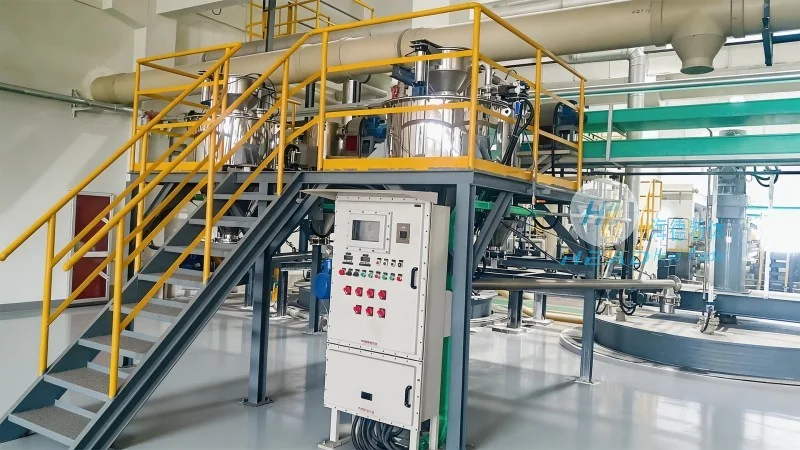
Overview of Fly Ash Conveying Methods
Fly ash, also known as pulverized fuel ash, is a fine particulate material that poses unique challenges during transportation due to its dustiness and potential for air pollution. Effective conveying systems must balance performance, maintenance costs, and environmental compliance. The primary methods used for fly ash transport include pneumatic conveying, mechanical conveying, and hybrid systems. Each method has distinct characteristics that make it suitable for different applications and operational conditions.
Pneumatic Conveying Systems
Pneumatic conveying uses air or gas to transport fly ash through a pipeline. This method is widely adopted in the industry due to its ability to handle fine powders and minimize dust exposure. There are two main types of pneumatic systems: pressure and vacuum. Pressure systems use compressed air to push the material through the pipeline, while vacuum systems draw the material using a vacuum pump. The advantages of pneumatic conveying include high efficiency, low maintenance, and the ability to transport materials over long distances without the need for multiple transfer points. However, it has some drawbacks, such as higher energy consumption compared to mechanical systems and potential for material degradation if the system is not properly designed.
Advantages of Pneumatic Conveying
One of the key benefits of pneumatic conveying is its flexibility in handling varying ash compositions and particle sizes. It can transport ash from multiple sources to a single destination without the need for intermediate storage, which reduces the risk of material segregation and contamination. Additionally, pneumatic systems are less prone to blockages compared to mechanical systems, as the air flow helps to keep the material in suspension. This makes them ideal for applications where continuous, unbroken transport is required, such as in power plants where ash needs to be moved from the boiler to the storage silo.
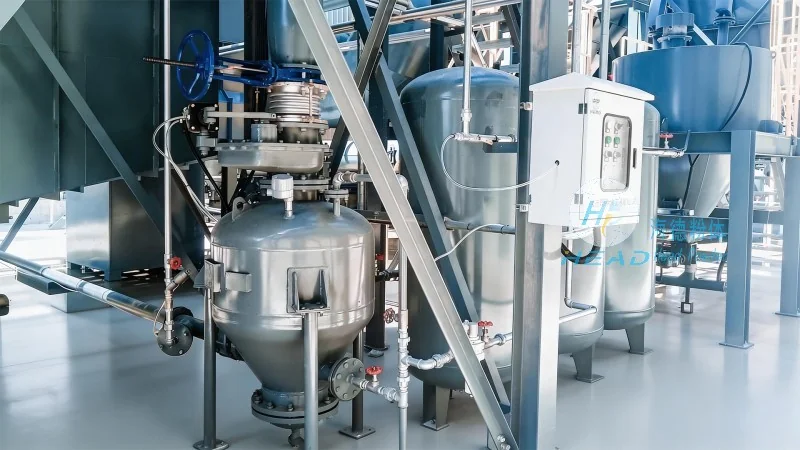
Disadvantages of Pneumatic Conveying
The main disadvantage of pneumatic conveying is its higher operational cost, primarily due to the energy required to generate the air pressure or vacuum. This can increase the overall cost of ash management, especially for facilities with high ash production rates. Another drawback is the potential for air leakage, which can lead to dust emissions and environmental compliance issues. Furthermore, pneumatic systems may not be suitable for very fine or abrasive ash particles, as they can cause wear and tear on the pipeline and components.
Mechanical Conveying Systems
Mechanical conveying relies on mechanical components like belts, screws, or buckets to move fly ash. This method is commonly used for short to medium distances and is often preferred when the ash is not too fine or when the facility layout restricts the use of pneumatic systems. The most common types of mechanical conveyors are belt conveyors, screw conveyors, and bucket elevators. Mechanical systems are generally more cost-effective in terms of initial investment and energy consumption compared to pneumatic systems. They also offer better control over the material flow, as operators can adjust the speed and direction of the conveyor.
Advantages of Mechanical Conveying
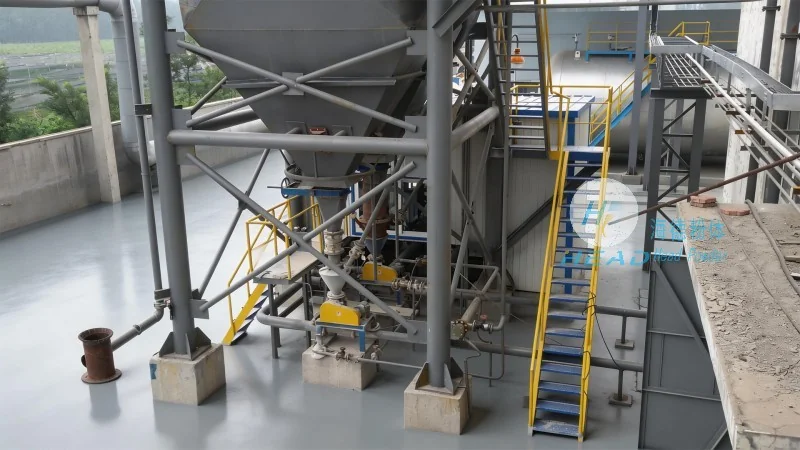
One of the significant advantages of mechanical conveying is its lower energy consumption and lower operational costs compared to pneumatic systems. This makes it a more economical choice for facilities with limited budgets or where ash production is relatively low. Additionally, mechanical systems are easier to maintain and repair, as they have fewer moving parts and less complex components. They also provide better visibility of the material flow, allowing operators to detect blockages or malfunctions quickly. This can reduce downtime and improve overall operational efficiency.
Disadvantages of Mechanical Conveying
The primary disadvantage of mechanical conveying is its limited ability to handle fine or abrasive ash particles. Fine particles can cause the conveyor belt or screw to wear out quickly, leading to increased maintenance costs and potential system failures. Mechanical systems also have a higher risk of material segregation and contamination, as the ash may separate based on particle size or density during transport. Furthermore, they are not suitable for long-distance transport, as the material may fall off the conveyor or accumulate in the system, requiring additional transfer points and increasing the complexity of the setup.
Hybrid Conveying Systems
Hybrid systems combine elements of both pneumatic and mechanical conveying to leverage the strengths of each method. For example, a hybrid system might use a mechanical conveyor to transport ash from the source to a pneumatic system, which then transports it to the final destination. This approach allows for flexibility in handling different ash compositions and distances. Hybrid systems are often used in large-scale power plants where ash needs to be transported over long distances and through complex layouts. The advantages of hybrid systems include improved efficiency, reduced energy consumption, and better control over the material flow. However, they are more complex to design and maintain, as they require integration of both pneumatic and mechanical components.
Advantages of Hybrid Conveying
Hybrid conveying systems offer the best of both worlds, combining the efficiency of pneumatic transport with the cost-effectiveness of mechanical systems. By using a mechanical conveyor for short distances and a pneumatic system for long distances, facilities can reduce energy consumption and maintenance costs while ensuring reliable transport. This approach also allows for better control over the material flow, as operators can adjust the speed and direction of each component independently. Additionally, hybrid systems are more adaptable to changing operational conditions, such as varying ash production rates or changes in facility layout.
Disadvantages of Hybrid Conveying
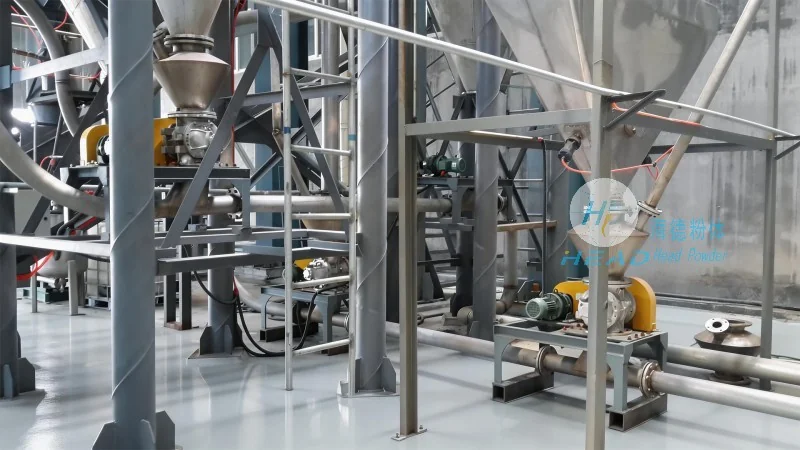
The main disadvantage of hybrid systems is their higher initial investment and complexity. Designing and installing a hybrid system requires expertise in both pneumatic and mechanical engineering, which can increase the cost of the project. Additionally, hybrid systems have more components, which increases the risk of malfunctions and requires more maintenance. Another drawback is the potential for increased energy consumption if the system is not optimized properly, as the combination of both methods may lead to inefficiencies.
Factors to Consider When Choosing a Conveying Method
When selecting a fly ash conveying method, industrial operators must consider several factors to ensure the best fit for their specific needs. The first factor is the distance and layout of the facility. For short distances, mechanical systems may be more suitable, while for long distances, pneumatic or hybrid systems are preferred. The second factor is the ash composition and particle size. Fine or abrasive ash may require pneumatic systems or hybrid systems with appropriate components to prevent wear and tear. The third factor is the operational budget and energy costs. Facilities with limited budgets may opt for mechanical systems, while those with higher budgets may choose pneumatic or hybrid systems for better efficiency. The fourth factor is environmental compliance. Pneumatic systems may require additional dust control measures to meet environmental regulations, while mechanical systems may have lower emissions but higher maintenance costs.
Conclusion
Selecting the right fly ash conveying method is a critical decision for industrial facilities to ensure efficient, cost-effective, and safe transport of fly ash. Pneumatic conveying offers high efficiency and flexibility but at a higher cost. Mechanical conveying provides lower initial and operational costs but is less suitable for fine or abrasive ash. Hybrid systems combine the strengths of both methods but are more complex and expensive. Ultimately, the choice of conveying method depends on the specific requirements of the facility, including distance, ash composition, budget, and environmental regulations. By carefully evaluating these factors, operators can select the most appropriate conveying system to meet their needs and optimize their ash management processes.

 Shandong Headpowder Engineering Co., Ltd.
 156-6277-7102(Quản lý Trương)
  0531-83386006
  Thành phố Tế Nam, Tỉnh Sơn Đông, Trung Quốc
Điện thoại
WeChatTư vấn
Lên đầu