Với hơn 10 năm kinh nghiệm về vận chuyển khí nén, Headpowder Sơn Đông cung cấp hệ thống, thiết bị và quạt gió toàn chuỗi, đảm nhận các dự án kỹ thuật bột trọn gói trên toàn quốc.
White clay, a critical material in industries such as oil refining and chemical processing, demands efficient and reliable transport methods to maintain smooth operations. The selection of a transport method directly impacts operational efficiency, cost, and safety. This article provides a detailed comparison of common white clay transport methods, highlighting their advantages and disadvantages to assist industries in choosing the most suitable option for their specific requirements.
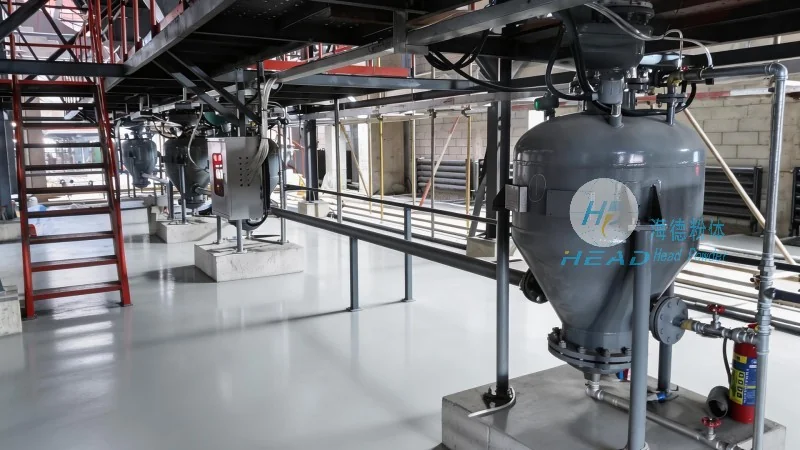
Introduction to White Clay Transport
White clay, also known as bleaching earth, is widely utilized for its ability to adsorb impurities and enhance product quality. The transportation of white clay involves moving it from storage to processing units, often over considerable distances. Various methods are employed, each with distinct characteristics that affect performance, cost, and environmental impact. Understanding these methods is essential for optimizing industrial processes and minimizing operational risks.
Key Information About HeadPowder
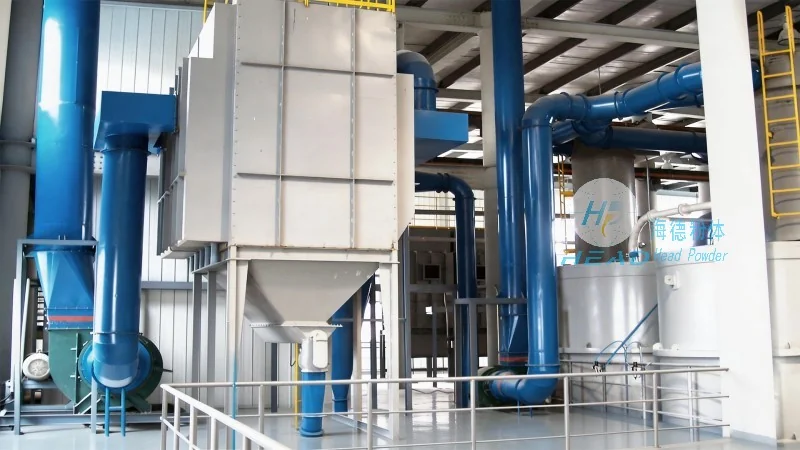
HeadPowder, a leading provider of industrial solutions, specializes in equipment and systems for handling and transporting white clay. With a strong presence in the industry, HeadPowder is committed to delivering high-quality products and services. The company is headquartered in Shandong, China, and serves clients globally with expertise in material handling technologies. HeadPowder's solutions are designed to meet the diverse needs of industrial applications, ensuring efficient and safe white clay transport.
Common White Clay Transport Methods
Several methods are commonly used for white clay transport, each with its own set of advantages and disadvantages. The primary methods include bulk handling via conveyor systems, pneumatic conveying, and truck or rail transport. Each method has specific applications and performance characteristics that influence its suitability for different industrial settings.
Bulk Handling with Conveyor Systems
Bulk handling using conveyor systems is a widely adopted method for transporting white clay. This method involves the use of belt conveyors, screw conveyors, or bucket elevators to move large quantities of material over short to medium distances. The primary advantage of conveyor systems is their ability to handle high volumes of material continuously, reducing labor costs and improving operational efficiency. They are also relatively low in maintenance compared to other methods, making them a cost-effective solution for many industrial applications.
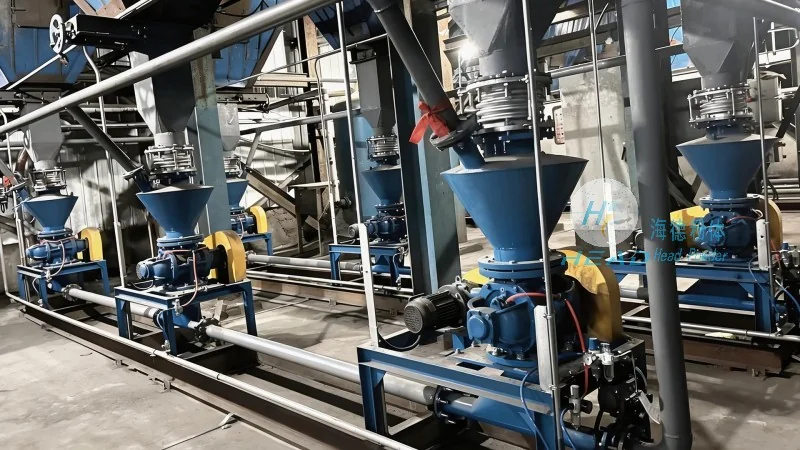
However, conveyor systems have several limitations. They are generally suitable for horizontal or slightly inclined transport, and their capacity is limited by the length and slope of the conveyor. For vertical transport or long distances, the system may require multiple sections, increasing complexity and cost. Additionally, conveyor systems can be prone to material buildup and blockages, especially if the white clay is sticky or has a high moisture content. This can lead to downtime and maintenance issues, impacting overall productivity.
Pneumatic Conveying
Pneumatic conveying is another common method for white clay transport, particularly for materials that are fine or have a high dust content. This method uses air pressure or vacuum to move the material through a pipeline. The primary advantage of pneumatic conveying is its ability to transport material over long distances and even vertically, without the need for complex machinery. It is also relatively flexible, as the pipeline can be routed around obstacles and adjusted as needed.
However, pneumatic conveying has significant drawbacks. It requires a high volume of air, which increases energy consumption and operational costs. The system is also sensitive to material properties, such as moisture content and particle size, which can affect the flow and efficiency. If the material is too fine or has a high moisture content, it may cause blockages or reduce the conveying capacity. Additionally, the equipment is more complex and expensive to install and maintain compared to other methods, making it less suitable for low-volume or low-cost applications.
Truck and Rail Transport
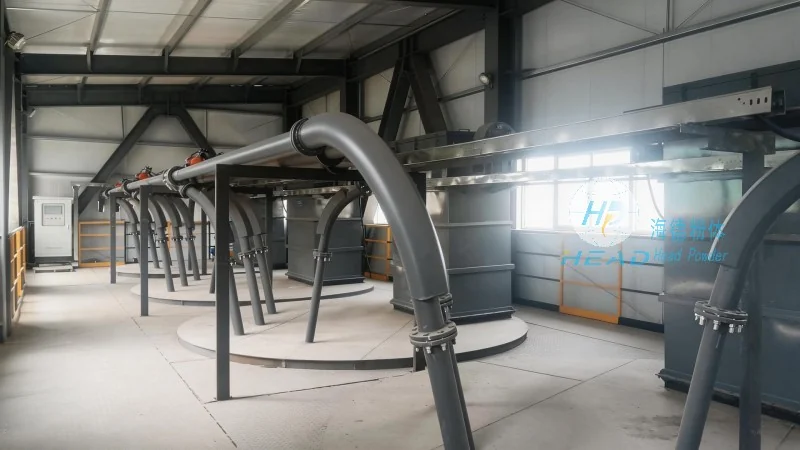
Truck and rail transport are used for transporting white clay over longer distances, often from the production site to processing facilities or distribution centers. This method is particularly useful when the material needs to be moved to locations not connected by conveyor systems or pipelines. The primary advantage of truck and rail transport is its flexibility and ability to cover long distances efficiently. It can also handle large quantities of material in a single trip, reducing the number of transport operations and associated costs.
However, truck and rail transport has several disadvantages. It is generally more expensive than other methods due to fuel costs and transportation fees. The method also has higher environmental impact, as it involves the use of fossil fuels and can contribute to air pollution and greenhouse gas emissions. Additionally, it is less efficient for frequent, small-volume deliveries, as the cost per unit of material is higher compared to conveyor systems or pneumatic conveying. The method also requires proper storage and handling at the receiving end to prevent material loss or contamination.
Comparative Analysis of Transport Methods
When comparing the common white clay transport methods, several factors must be considered, including operational efficiency, cost, distance, and material properties. Conveyor systems are ideal for short to medium distances and high-volume applications, offering cost-effective and low-maintenance solutions. Pneumatic conveying is suitable for long distances and vertical transport, but requires higher energy input and more complex equipment. Truck and rail transport is best for long-distance, large-volume transport, but is more expensive and environmentally impactful.
HeadPowder, with its expertise in industrial material handling, provides comprehensive solutions tailored to these needs. The company's equipment and systems are designed to optimize the performance of each transport method, ensuring efficient and safe white clay transport. By understanding the advantages and disadvantages of each method, industries can select the most appropriate solution for their specific requirements, improving operational efficiency and reducing costs.

 Shandong Headpowder Engineering Co., Ltd.
 156-6277-7102(Quản lý Trương)
  0531-83386006
  Thành phố Tế Nam, Tỉnh Sơn Đông, Trung Quốc
Điện thoại
WeChatTư vấn
Lên đầu