Với hơn 10 năm kinh nghiệm về vận chuyển khí nén, Headpowder Sơn Đông cung cấp hệ thống, thiết bị và quạt gió toàn chuỗi, đảm nhận các dự án kỹ thuật bột trọn gói trên toàn quốc.
When selecting a cotton conveying system for industrial applications, understanding the different methods and their respective pros and cons is crucial. This article provides an in-depth comparison of common cotton conveying techniques, helping you make an informed decision based on your operational needs.
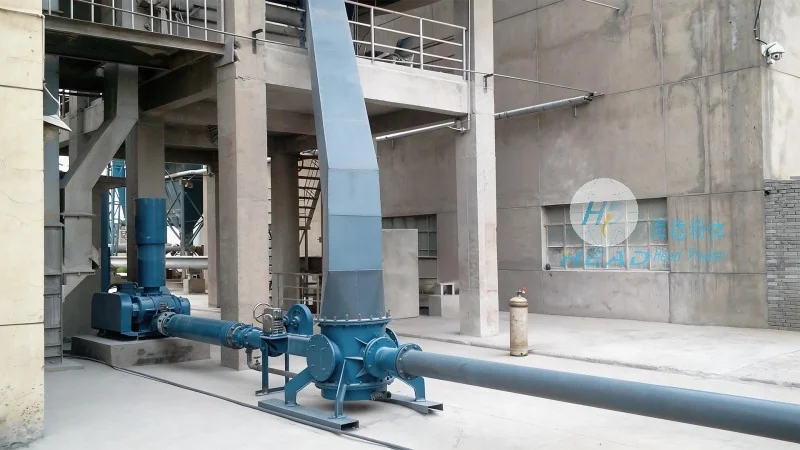
Overview of Cotton Conveying Methods
Cotton conveying systems are essential in various industries, including textile manufacturing, agricultural processing, and material handling. The primary goal is to transport cotton efficiently and safely from one location to another. There are several methods available, each with unique characteristics that affect performance, cost, and maintenance.
1. Pneumatic Conveying Systems
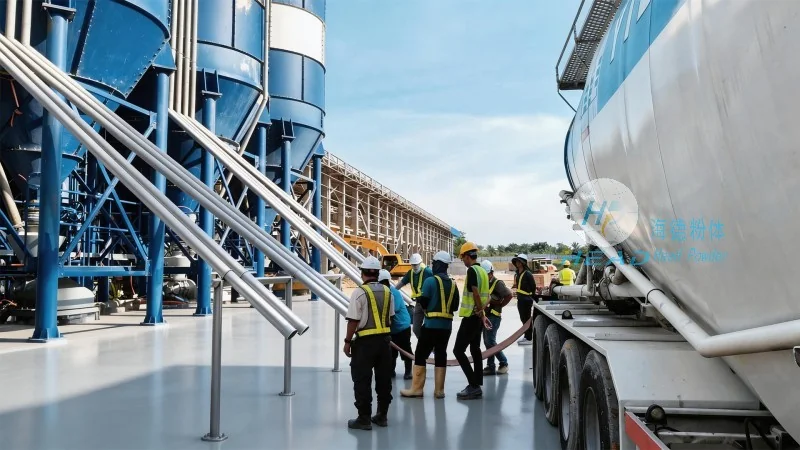
Pneumatic conveying, also known as air conveying, uses compressed air or gas to move cotton particles through a pipeline. This method is widely used due to its ability to handle fine and dusty materials without the need for mechanical parts in the conveying line. The system typically consists of a hopper, a blower, and a pipeline network. The advantages of pneumatic conveying include high capacity, low maintenance, and the ability to transport materials over long distances. However, it has limitations, such as higher energy consumption and the need for proper dust collection to prevent air pollution and system blockages.
2. Mechanical Conveying Systems
Mechanical conveying relies on mechanical components like belts, chains, or screws to move cotton. This category includes belt conveyors, screw conveyors, and bucket elevators. Belt conveyors are suitable for transporting bulk cotton over short to medium distances, offering high load capacity and low operating costs. Screw conveyors are ideal for vertical or inclined transport, providing a compact design and efficient material handling. The main advantages of mechanical systems are their simplicity, low energy consumption, and minimal air pollution. The drawbacks include potential material degradation from friction, higher maintenance requirements for moving parts, and limited ability to handle very fine or dusty cotton without additional equipment.
3. Hydraulic Conveying Systems
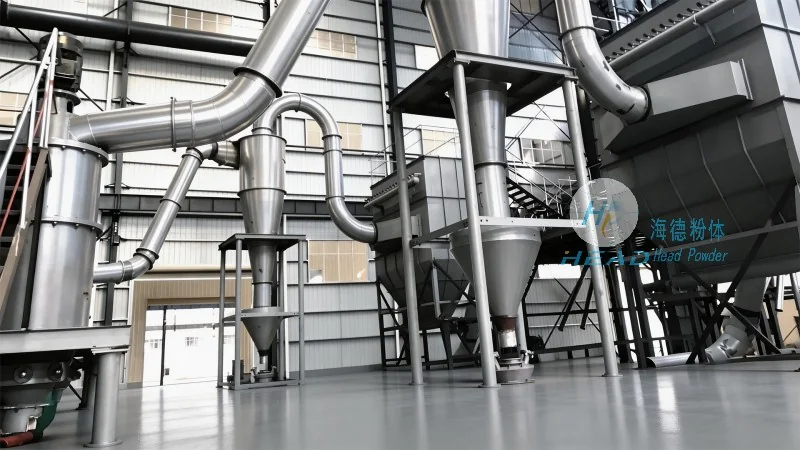
Hydraulic conveying uses liquid to transport cotton, often in a slurry form. This method is less common in cotton processing but can be effective for specific applications, such as transporting wet or sticky cotton. The system involves pumping a liquid (usually water or a specialized fluid) mixed with cotton through pipes. The advantages include the ability to handle wet or abrasive materials and the potential for high transport rates. However, hydraulic systems require more complex infrastructure, higher maintenance, and are generally more expensive than pneumatic or mechanical systems. They also pose environmental concerns due to the need for liquid disposal and potential contamination.
4. Combination Systems
In many industrial settings, a combination of the above methods is used to optimize cotton conveying. For example, a pneumatic system might be used for the initial transport of cotton from a field or storage area, followed by a mechanical conveyor for further processing. This hybrid approach leverages the strengths of each method while mitigating their weaknesses. The key is to design a system that matches the specific characteristics of the cotton being handled and the operational requirements of the facility.
Key Considerations for Choosing a Cotton Conveying Method
When selecting a cotton conveying method, several factors must be considered. The first is the type and characteristics of the cotton, including particle size, moisture content, and dust levels. Fine or dusty cotton may require additional filtration or dust control measures, which can impact the choice of system. The second factor is the distance and layout of the facility, as this affects the feasibility of different conveying methods. Long distances may necessitate pneumatic systems, while short distances might allow for mechanical solutions. Cost is another critical consideration, including initial investment, operating costs, and maintenance expenses. Finally, environmental regulations and safety standards must be addressed, as some systems may require additional equipment to meet compliance requirements.

 Shandong Headpowder Engineering Co., Ltd.
 156-6277-7102(Quản lý Trương)
  0531-83386006
  Thành phố Tế Nam, Tỉnh Sơn Đông, Trung Quốc
Điện thoại
WeChatTư vấn
Lên đầu