Với hơn 10 năm kinh nghiệm về vận chuyển khí nén, Headpowder Sơn Đông cung cấp hệ thống, thiết bị và quạt gió toàn chuỗi, đảm nhận các dự án kỹ thuật bột trọn gói trên toàn quốc.
When it comes to the efficient and reliable transportation of glass-blasted microspheres, the design of a pneumatic conveying system plays a crucial role. A well-designed system ensures optimal performance, minimal downtime, and cost-effectiveness. This article provides insights into the key considerations and steps involved in designing a reasonable glass-blasted microsphere pneumatic conveying system, with a focus on practical implementation and technical aspects.
Understanding the Core Components of a Pneumatic Conveying System
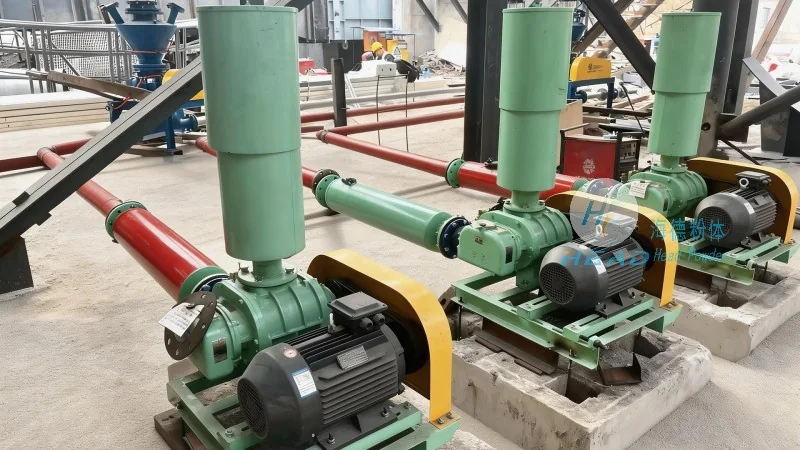
A pneumatic conveying system for glass-blasted microspheres typically consists of several essential components. These include the hopper or feeder, which holds the material; the air compressor or blower that generates the air flow; the conveying line, which transports the material; and the receiver or discharge unit where the material is deposited. Each component must be carefully selected and sized to match the specific characteristics of the glass-blasted microspheres, such as particle size, density, and flowability. The hopper design, for instance, may need to incorporate features like a conical bottom or a vibratory feeder to prevent clogging and ensure consistent material flow. The air compressor must be capable of delivering sufficient air pressure and volume to overcome the resistance of the conveying line and the material's drag forces.
Key Design Considerations for Glass-Blasted Microspheres
Designing a pneumatic conveying system for glass-blasted microspheres requires a thorough understanding of the material's properties. Glass-blasted microspheres are lightweight, spherical particles with a high surface area and low density. These characteristics influence the system's design in several ways. For example, the particle size distribution and uniformity affect the air velocity required to keep the particles in suspension. If the particles are too large or irregularly shaped, they may settle out of the air stream, leading to blockages or reduced conveying efficiency. The system designer must consider the material's flowability, which is often improved by adding a small amount of moisture or using a vibratory feeder to prevent agglomeration. Additionally, the system must account for the potential for dust generation, as glass-blasted microspheres can be abrasive and may cause wear on system components. Proper filtration and dust collection systems are essential to maintain air quality and protect equipment.
System Sizing and Air Flow Calculations
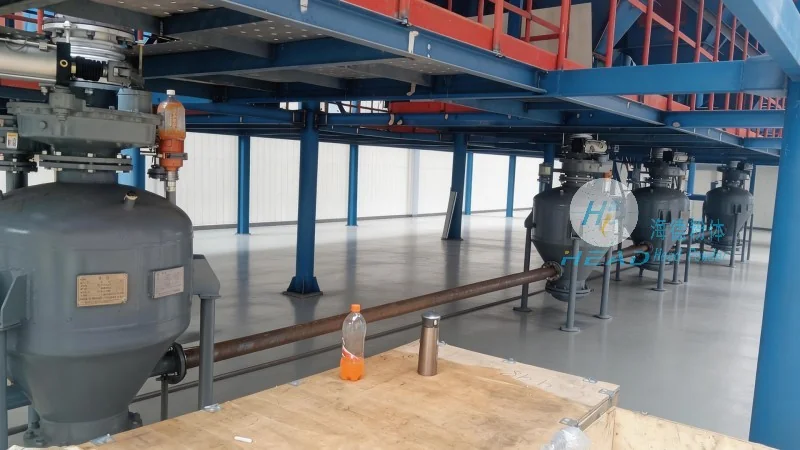
Accurate sizing of the pneumatic conveying system is critical to ensure it operates within its optimal range. The air flow rate and pressure must be calculated based on the material's properties and the desired conveying distance. The air velocity in the conveying line is a key parameter; it should be high enough to keep the particles suspended but not so high as to cause excessive pressure drop or energy consumption. The pressure drop along the conveying line is another important factor, as it determines the required air compressor capacity. Engineers typically use empirical formulas or software tools to calculate the pressure drop, considering factors like pipe diameter, length, bends, and fittings. The hopper and feeder design also impact the system's performance, as they affect the material's discharge rate and the air flow into the conveying line. A properly designed hopper ensures a steady flow of material, preventing surges or blockages that could disrupt the conveying process.
Material Handling and Equipment Selection
The selection of equipment for a glass-blasted microsphere pneumatic conveying system involves balancing performance, durability, and cost. The hopper and feeder must be constructed from materials that can withstand the abrasive nature of glass-blasted microspheres, such as stainless steel or high-grade alloys. The air compressor or blower should be chosen based on the required air pressure and flow rate, with options including rotary lobe blowers or centrifugal compressors. The conveying line is typically made of stainless steel or PVC, depending on the application and material compatibility. The receiver or discharge unit must be designed to handle the material's flow characteristics and prevent dust emissions. It may include features like a cyclone separator or a baghouse filter to capture fine particles. The system may also incorporate additional components such as a silencer to reduce noise levels and a pressure regulator to maintain consistent air pressure.
Integration and Commissioning of the System
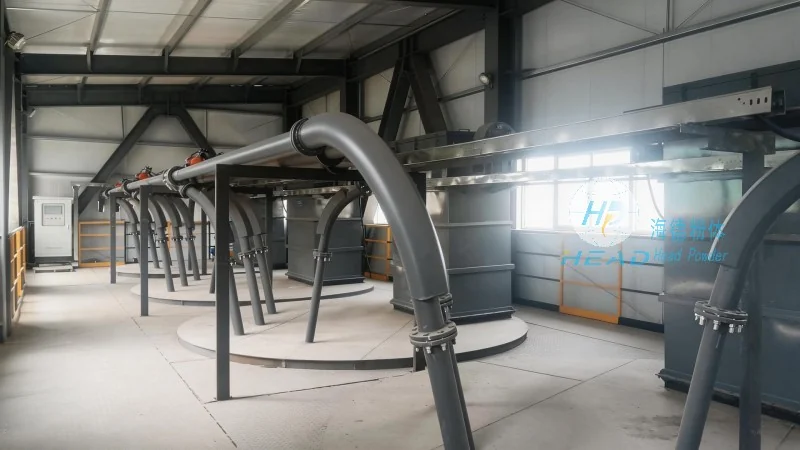
Once the components are selected and sized, the next step is to integrate them into a cohesive system. This involves proper installation of the conveying line, ensuring all connections are secure and leak-free. The air compressor must be positioned to minimize pressure losses and noise. The hopper and feeder should be level and properly aligned with the conveying line to ensure smooth material flow. Commissioning the system involves testing the air flow, checking for pressure drops, and verifying the material's discharge rate. Adjustments may be needed to optimize the system's performance, such as adjusting the air velocity or modifying the hopper design. Regular maintenance is also essential to ensure the system operates efficiently over time. This includes cleaning the hopper and conveying line, replacing worn parts, and monitoring air pressure and flow rates.
Case Study: A Successful Glass-Blasted Microsphere Pneumatic Conveying System
Shandong HeadPowder Engineering Co., Ltd., a leading provider of material handling solutions, recently completed a project for a client in China. The client required a pneumatic conveying system to transport glass-blasted microspheres from a storage silo to a processing plant over a distance of 50 meters. The system was designed with a rotary lobe blower, a stainless steel hopper with a vibratory feeder, and a cyclone receiver. The air velocity was set at 20 m/s, which was sufficient to keep the microspheres in suspension without causing excessive pressure drop. The system operated efficiently, with minimal downtime and low maintenance costs. The client reported significant improvements in material handling speed and reliability compared to their previous system. This case study highlights the importance of proper system design and the expertise of experienced engineers in achieving optimal performance for glass-blasted microsphere pneumatic conveying systems.

 Shandong Headpowder Engineering Co., Ltd.
 156-6277-7102(Quản lý Trương)
  0531-83386006
  Thành phố Tế Nam, Tỉnh Sơn Đông, Trung Quốc
Điện thoại
WeChatTư vấn
Lên đầu