Với hơn 10 năm kinh nghiệm về vận chuyển khí nén, Headpowder Sơn Đông cung cấp hệ thống, thiết bị và quạt gió toàn chuỗi, đảm nhận các dự án kỹ thuật bột trọn gói trên toàn quốc.
Barite, a heavy mineral commonly used in oil drilling and other industrial applications, requires efficient and reliable material handling solutions. The design of a pneumatic conveying system for barite is a critical process that involves careful consideration of several key factors to ensure optimal performance, safety, and cost-effectiveness. This article outlines the essential steps and considerations for designing a reasonable barite pneumatic conveying system plan, presented by Shandong HeadPowder Engineering Co., Ltd., a leading provider in the field.
Understanding the Fundamentals of Barite Pneumatic Conveying
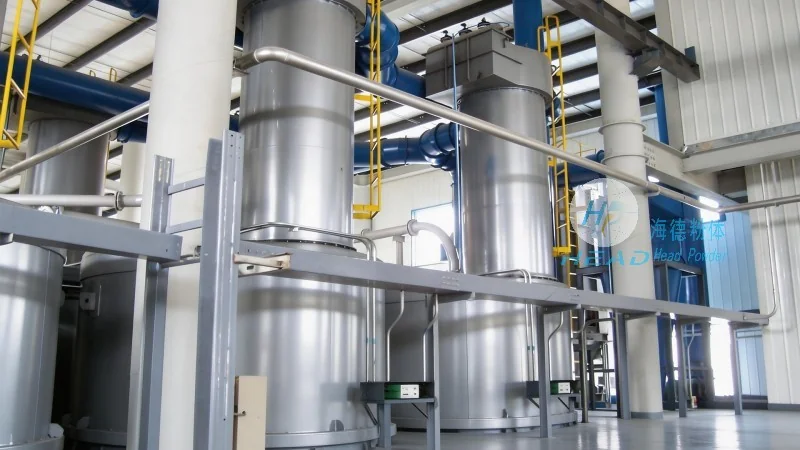
Before diving into the design specifics, it is crucial to understand the basic principles of pneumatic conveying. Pneumatic conveying systems transport bulk materials like barite using air or gas as the conveying medium. There are two primary types: positive pressure (or pressure) systems and negative pressure (or vacuum) systems. Each type has its advantages and is suitable for different operational requirements.
Positive pressure systems operate by blowing air into the conveying line, creating a pressure higher than the ambient air. This method is often preferred for long-distance or high-capacity conveying as it can handle more material and maintain consistent flow. Negative pressure systems, on the other hand, use suction to draw material into the system, which is typically more suitable for short-distance or low-volume applications. The choice between these systems depends on factors such as the distance between the source and destination, the required material flow rate, and the environmental considerations at the site.
Key Design Considerations for Barite Pneumatic Conveying Systems
When designing a barite pneumatic conveying system, several key considerations must be addressed to ensure the system operates efficiently and safely. These include material properties, system type selection, pipeline design, equipment selection, and operational parameters.
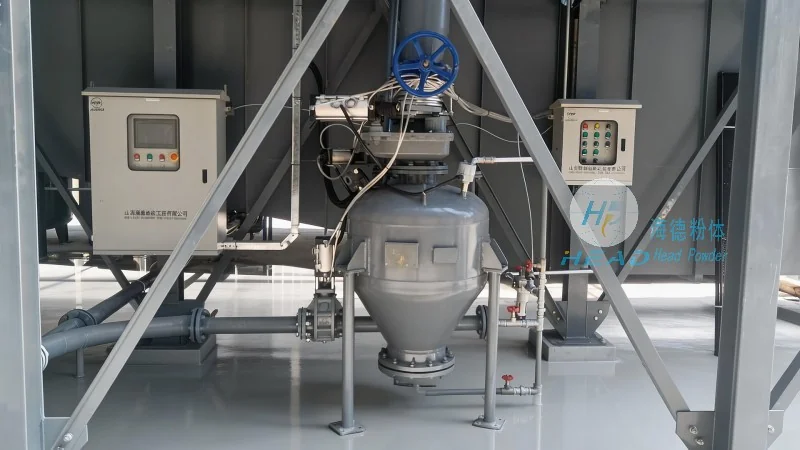
First, the physical and chemical properties of barite must be thoroughly evaluated. Barite has a high density and can be abrasive, which means the conveying system must be constructed from materials that can withstand wear and corrosion. The particle size distribution and moisture content of the barite also affect the system's performance, as these factors influence the air velocity required for effective transport. For example, finer particles may require higher air velocities to prevent clogging, while larger particles may need larger ducts to avoid excessive pressure drops.
Second, the selection of the pneumatic conveying system type is critical. As mentioned earlier, positive pressure systems are generally more robust and can handle higher pressures, making them ideal for long-distance or high-capacity barite transport. However, they require more powerful blowers and may have higher energy consumption. Negative pressure systems are more energy-efficient for short distances but may not be suitable for transporting abrasive materials over long distances due to the risk of dust accumulation and equipment wear.
Third, the design of the pipeline system is a critical aspect of the overall system. The pipeline must be sized appropriately to maintain the required air velocity and pressure. The use of smooth, corrosion-resistant materials such as stainless steel or special alloys is essential to prevent material buildup and ensure consistent flow. The pipeline layout should be designed to minimize bends and changes in direction, as these can cause pressure losses and increase the risk of material blockages. Additionally, the inclusion of expansion joints and flexible connectors is necessary to accommodate thermal expansion and reduce stress on the system components.
Fourth, the selection of the conveying equipment is another crucial step. The blower or vacuum pump must be selected based on the required air volume and pressure. For positive pressure systems, high-pressure blowers are typically used, while negative pressure systems may employ vacuum pumps or fans. The material handling equipment, such as feeders and cyclones, must be designed to handle the abrasive nature of barite and prevent clogging. The use of wear-resistant liners and regular maintenance schedules is essential to ensure the longevity of these components.
Fifth, operational parameters such as air velocity, pressure, and flow rate must be carefully controlled. The air velocity must be sufficient to keep the barite particles suspended in the air stream but not so high as to cause excessive pressure drops or energy consumption. The pressure in the system must be monitored to prevent overpressurization, which can lead to equipment failure or material spillage. The flow rate must be adjusted based on the demand and the system's capacity to maintain a stable and efficient operation.
System Integration and Safety Measures
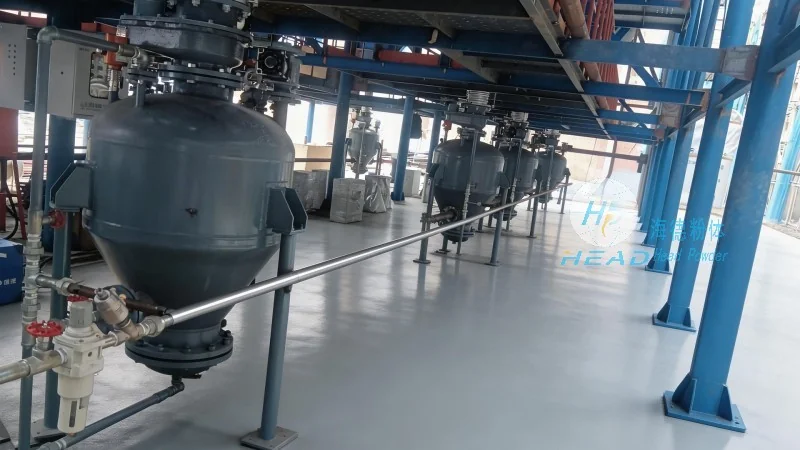
Integrating the various components of a barite pneumatic conveying system requires careful planning to ensure smooth operation and safety. The system must be designed to handle the specific characteristics of barite, including its density, abrasiveness, and potential for dust generation. The inclusion of dust collection and filtration systems is essential to prevent environmental contamination and ensure compliance with regulatory standards. The use of explosion-proof equipment and proper grounding is necessary to mitigate the risks associated with dust explosions, which are a common hazard in pneumatic conveying systems.
Regular maintenance and monitoring are also critical to the long-term performance of the system. The system should be equipped with sensors and monitoring devices to track key parameters such as pressure, flow rate, and temperature. This allows for early detection of potential issues and timely maintenance, reducing downtime and increasing the system's lifespan. Additionally, training for operators on the proper operation and maintenance of the system is essential to ensure safe and efficient operation.
Case Study: A Successful Barite Pneumatic Conveying System Design
Shandong HeadPowder Engineering Co., Ltd. has successfully designed and implemented several barite pneumatic conveying systems for clients in the oil drilling and industrial sectors. One notable project involved the design of a positive pressure system for a barite mine in China, where the system was required to transport barite over a distance of 2 kilometers with a flow rate of 50 tons per hour. The system was designed using stainless steel pipelines and high-pressure blowers, with a cyclone separator and dust collection system integrated into the design. The system has been in operation for over three years, with minimal downtime and high efficiency, demonstrating the effectiveness of the design approach.
Another project involved the design of a negative pressure system for a barite processing plant, where the system was required to transport barite from a storage silo to a processing unit over a short distance of 100 meters. The system was designed using flexible ducts and a vacuum pump, with a dust filter and collection system included. The system has been operating efficiently, with low energy consumption and minimal maintenance requirements, highlighting the suitability of negative pressure systems for short-distance applications.
Conclusion and Recommendations
Designing a reasonable barite pneumatic conveying system requires a comprehensive approach that considers the material properties, system type, pipeline design, equipment selection, and operational parameters. By carefully evaluating these factors and integrating appropriate safety measures, a system can be designed to efficiently and safely transport barite while minimizing costs and downtime. Shandong HeadPowder Engineering Co., Ltd. offers expert design and engineering services to help clients achieve their material handling goals, ensuring the successful implementation of pneumatic conveying systems for barite and other bulk materials.

 Shandong Headpowder Engineering Co., Ltd.
 156-6277-7102(Quản lý Trương)
  0531-83386006
  Thành phố Tế Nam, Tỉnh Sơn Đông, Trung Quốc
Điện thoại
WeChatTư vấn
Lên đầu