Với hơn 10 năm kinh nghiệm về vận chuyển khí nén, Headpowder Sơn Đông cung cấp hệ thống, thiết bị và quạt gió toàn chuỗi, đảm nhận các dự án kỹ thuật bột trọn gói trên toàn quốc.
Lightweight cement pneumatic conveying systems are essential for efficient material handling in various industrial applications. These systems utilize air as the primary medium to transport lightweight cement and other fine powders, offering advantages such as reduced equipment wear, lower energy consumption, and enhanced process flexibility. A well-designed system ensures optimal performance, reliability, and cost-effectiveness, making it a critical investment for manufacturers and construction companies alike.
Key Considerations in System Design
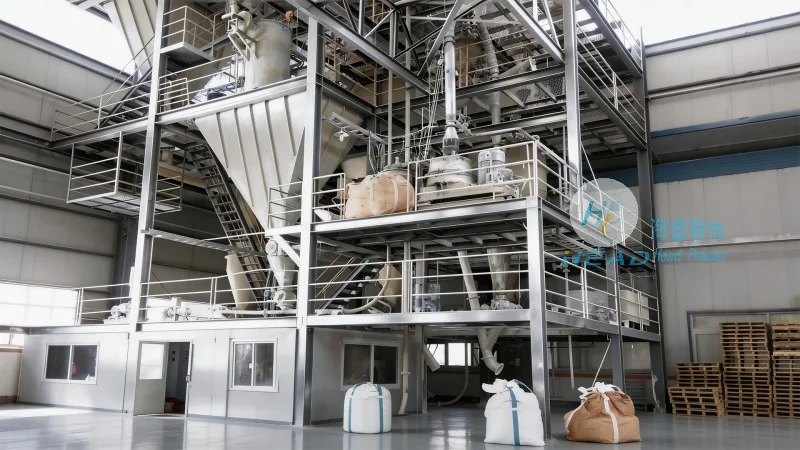
Designing a lightweight cement pneumatic conveying system involves several key considerations that directly impact its efficiency and longevity. First, the selection of the appropriate conveying type—such as pressure or vacuum systems—depends on the specific application requirements, including the distance of material transport, the volume of material to be handled, and the need for material containment. Pressure systems are typically used for long-distance or high-volume transport, while vacuum systems are ideal for short distances or when material needs to be drawn from multiple sources.
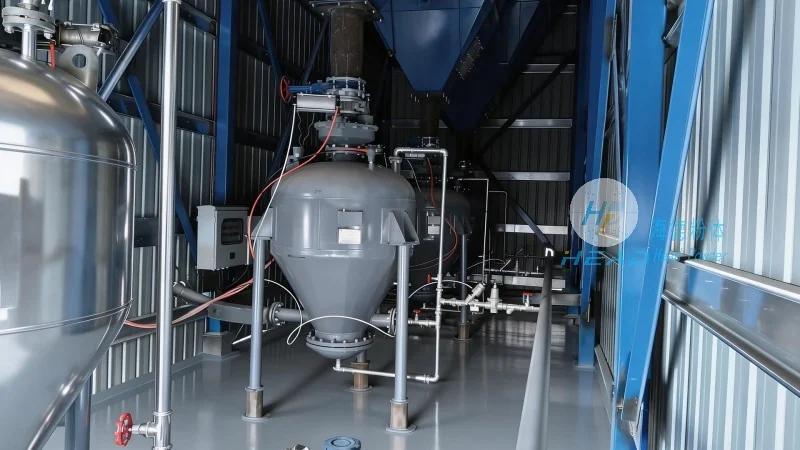
Another critical factor is the choice of equipment components. This includes the material of construction for the conveying lines, which must be resistant to corrosion and abrasion from the lightweight cement. Common materials include stainless steel, aluminum, and specialized polymers. The selection of the air compressor and its capacity is also vital, as it directly affects the system's pressure and flow rates. A properly sized compressor ensures consistent air supply, preventing system inefficiencies and potential breakdowns.
System Layout and Integration
The layout of the pneumatic conveying system is another crucial aspect of its design. Proper planning of the conveying lines, including the placement of inlets, outlets, and any necessary intermediate storage or mixing units, minimizes material buildup and ensures smooth material flow. The system should be designed to accommodate the specific characteristics of lightweight cement, such as its low bulk density and potential for dust formation. This may involve incorporating dust collection and filtration systems to maintain air quality and comply with environmental regulations.
Integration with existing industrial processes is also important. The system should be compatible with other equipment, such as mixers, storage silos, and packaging machines, to create a seamless material handling workflow. This integration reduces downtime and improves overall operational efficiency. For example, the conveying system can be connected directly to a mixing plant, allowing for real-time material addition without manual intervention.
Performance Optimization and Maintenance
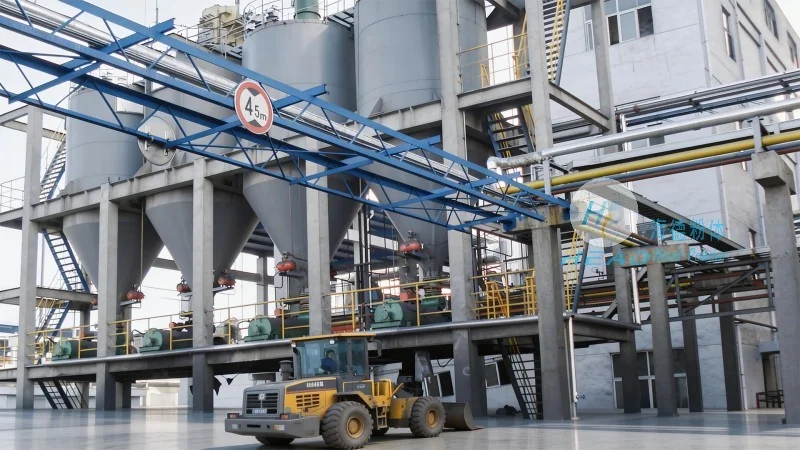
Optimizing the performance of a lightweight cement pneumatic conveying system requires regular monitoring and maintenance. Key performance indicators include air pressure, flow rate, and material velocity. Monitoring these parameters helps identify potential issues early, such as clogging or air leaks, which can reduce system efficiency and increase energy costs. Regular maintenance, including cleaning of conveying lines, inspection of air filters, and lubrication of moving parts, is essential to prolong the system's lifespan and maintain its operational reliability.
Additionally, the use of advanced control systems can enhance performance. These systems allow for automated adjustments to air pressure and flow rates based on real-time material conditions, ensuring consistent and efficient operation. For instance, a control system can detect changes in material density and adjust the air flow accordingly to maintain optimal conveying speed.
About Shandong HeadPowder Engineering Co., Ltd.
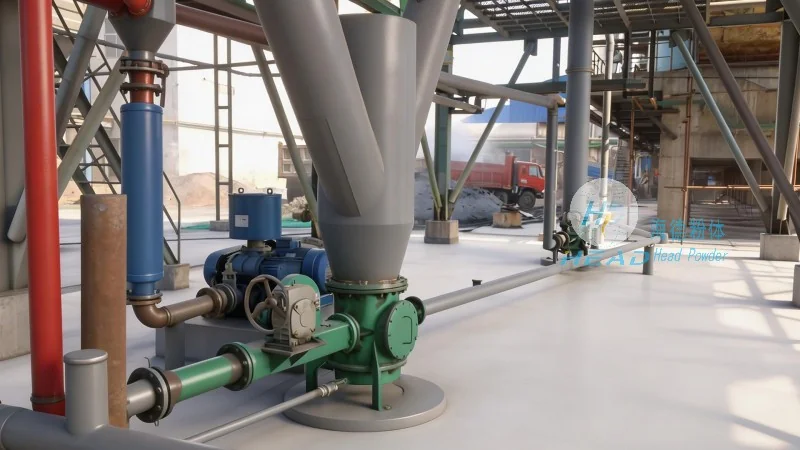
Shandong HeadPowder Engineering Co., Ltd., a leading provider of industrial material handling solutions, specializes in designing and manufacturing lightweight cement pneumatic conveying systems. With years of experience in the industry, the company has developed a comprehensive range of products tailored to meet the diverse needs of clients. The company's team of engineers and technicians work closely with clients to understand their specific requirements and provide customized solutions that enhance operational efficiency and reduce costs.
HeadPowder's commitment to quality and innovation is reflected in its use of advanced technology and rigorous testing protocols. The company's systems are designed to meet international standards and are backed by a team of experts who provide technical support and maintenance services. With a focus on customer satisfaction, HeadPowder has built a reputation for delivering reliable and efficient solutions that help clients achieve their production goals.

 Shandong Headpowder Engineering Co., Ltd.
 156-6277-7102(Quản lý Trương)
  0531-83386006
  Thành phố Tế Nam, Tỉnh Sơn Đông, Trung Quốc
Điện thoại
WeChatTư vấn
Lên đầu