Với hơn 10 năm kinh nghiệm về vận chuyển khí nén, Headpowder Sơn Đông cung cấp hệ thống, thiết bị và quạt gió toàn chuỗi, đảm nhận các dự án kỹ thuật bột trọn gói trên toàn quốc.
When designing a polypropylene pneumatic conveying system, it is crucial to consider various factors to ensure efficiency, reliability, and cost-effectiveness. This guide outlines key considerations and best practices for developing a well-structured system plan.
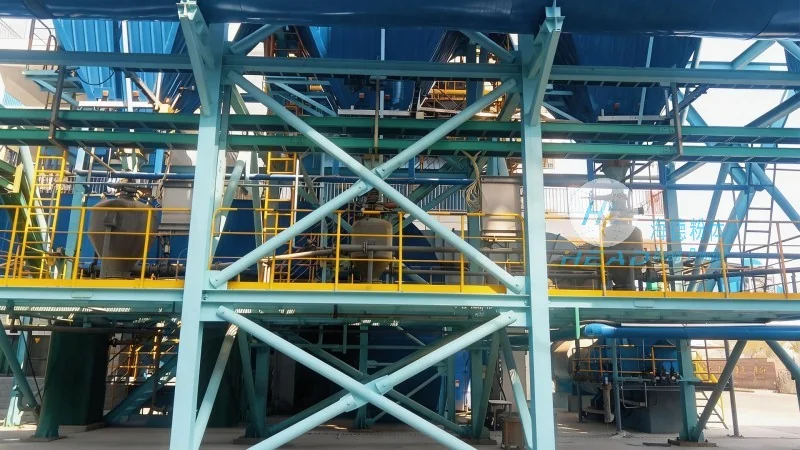
About Shandong HeadPowder Engineering Co., Ltd.
HeadPowder, a leading engineering company based in Shandong, China, specializes in the design and implementation of advanced material handling solutions. With years of experience in the industry, our team of experts provides tailored solutions for diverse applications, including polypropylene handling.
Key Design Considerations for Polypropylene Pneumatic Conveying
Designing a polypropylene pneumatic conveying system involves evaluating several critical parameters. The first step is to assess the material properties of polypropylene, such as its density, flowability, and moisture content. These characteristics directly impact the system's performance and the choice of conveying method (e.g., pressure or vacuum systems).
Another essential factor is the system's capacity requirements. Determining the required flow rate and throughput is vital to ensure the system can handle the intended production volume without bottlenecks. This involves analyzing the production schedule, batch sizes, and operational needs of the facility.
System layout and infrastructure are also critical. The design must consider the existing facility layout, available space, and access points for material input and discharge. Proper planning of the pipeline network, including the number of branches, bends, and fittings, is necessary to minimize pressure losses and maintain consistent flow rates.
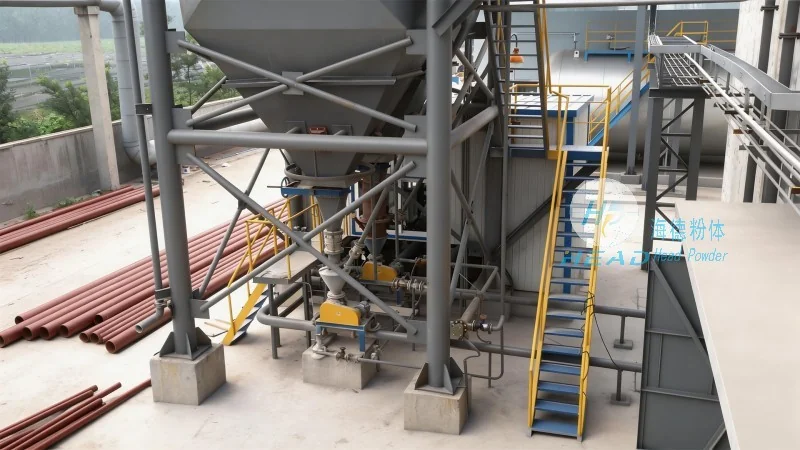
Energy efficiency is a key consideration in modern system design. Selecting appropriate equipment, such as high-efficiency blowers and pumps, and optimizing the system's operation can significantly reduce energy consumption and operating costs. Additionally, incorporating features like variable speed drives and pressure sensors helps in fine-tuning the system's performance.
Core Components of a Polypropylene Pneumatic Conveying System
A polypropylene pneumatic conveying system typically consists of several key components. The primary equipment includes a blower or compressor to generate the necessary airflow, a hopper or feeder to feed the material into the system, and a receiver or discharge unit to collect the conveyed material.
The hopper or feeder plays a crucial role in ensuring consistent material flow. For polypropylene, which can be prone to bridging or segregation, using a properly designed feeder, such as a rotary valve or a screw feeder, is essential. These devices help maintain a steady flow rate and prevent material buildup or uneven distribution.
The pipeline system is another critical component. The choice of pipe material, diameter, and length affects the system's efficiency. For polypropylene, which is a relatively light and non-abrasive material, stainless steel or plastic pipes are commonly used. The pipeline must be properly supported and insulated to prevent pressure losses and maintain consistent temperature.
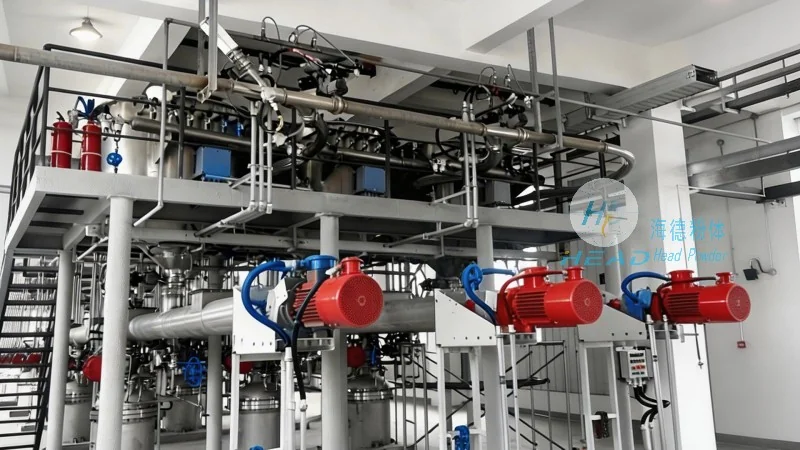
The receiver or discharge unit is responsible for collecting the conveyed material. It should be designed to handle the material's characteristics, such as its density and flowability. Features like a dust collection system or a surge tank may be included to ensure smooth discharge and prevent material loss.
Choosing the Right Conveying Method
For polypropylene, both pressure and vacuum conveying systems are viable options. The choice depends on factors such as the distance between the feed and discharge points, the material's properties, and the system's capacity. Pressure systems are generally more suitable for longer distances and higher capacities, as they can maintain consistent pressure and flow rates. Vacuum systems, on the other hand, are better for shorter distances and when the material needs to be transported from a lower elevation.
When selecting a conveying method, it is important to consider the system's overall efficiency and cost. Pressure systems typically require more powerful equipment but can handle larger volumes and longer distances. Vacuum systems are more energy-efficient for shorter distances but may have limitations in terms of capacity and material handling.
Optimization and Maintenance of the System
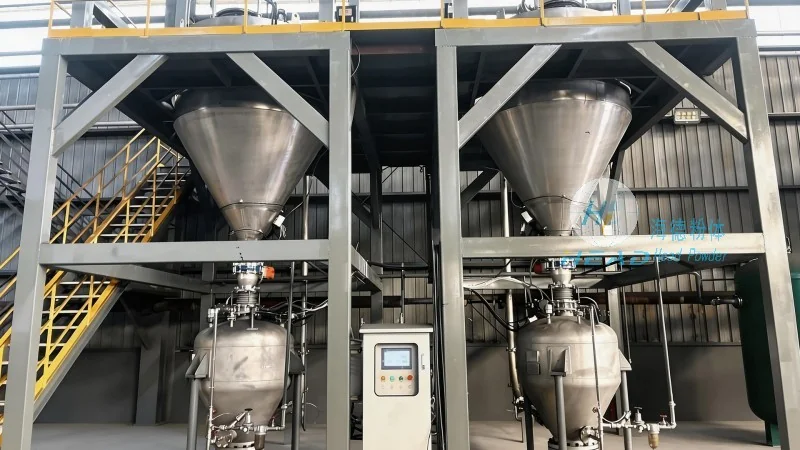
Once the polypropylene pneumatic conveying system is installed, regular optimization and maintenance are essential to ensure long-term performance. Monitoring the system's performance parameters, such as pressure, flow rate, and energy consumption, helps identify any issues early and allows for timely adjustments.
Maintenance activities include cleaning the hopper and feeder to prevent material buildup, inspecting the pipeline for leaks or blockages, and replacing worn-out components. Regular maintenance not only extends the system's lifespan but also reduces downtime and operating costs.
Additionally, incorporating advanced control systems, such as PLC (Programmable Logic Controller) or SCADA (Supervisory Control and Data Acquisition) systems, can enhance the system's performance and efficiency. These systems allow for real-time monitoring and control, enabling operators to make informed decisions and optimize the system's operation.
Conclusion and Contact Information
Designing a reasonable polypropylene pneumatic conveying system requires careful consideration of material properties, system capacity, layout, and energy efficiency. By following best practices and leveraging the expertise of experienced engineering firms like Shandong HeadPowder Engineering Co., Ltd., businesses can achieve efficient and reliable material handling solutions.
HeadPowder, with its headquarters in Shandong, China, offers comprehensive engineering services tailored to the specific needs of polypropylene handling applications. Our team of experts provides customized system designs, installation, and maintenance services to ensure optimal performance and long-term success.

 Shandong Headpowder Engineering Co., Ltd.
 156-6277-7102(Quản lý Trương)
  0531-83386006
  Thành phố Tế Nam, Tỉnh Sơn Đông, Trung Quốc
Điện thoại
WeChatTư vấn
Lên đầu