Với hơn 10 năm kinh nghiệm về vận chuyển khí nén, Headpowder Sơn Đông cung cấp hệ thống, thiết bị và quạt gió toàn chuỗi, đảm nhận các dự án kỹ thuật bột trọn gói trên toàn quốc.
Organic silicon powder pneumatic conveying systems are critical for efficient material handling in various industrial applications. Designing a system that is both effective and reliable requires careful consideration of multiple factors, from material properties to operational requirements. This article provides a comprehensive guide on how to design a reasonable organic silicon powder pneumatic conveying system, with insights from Shandong HeadPowder Engineering Co., Ltd., a leading engineering firm specializing in powder handling solutions.
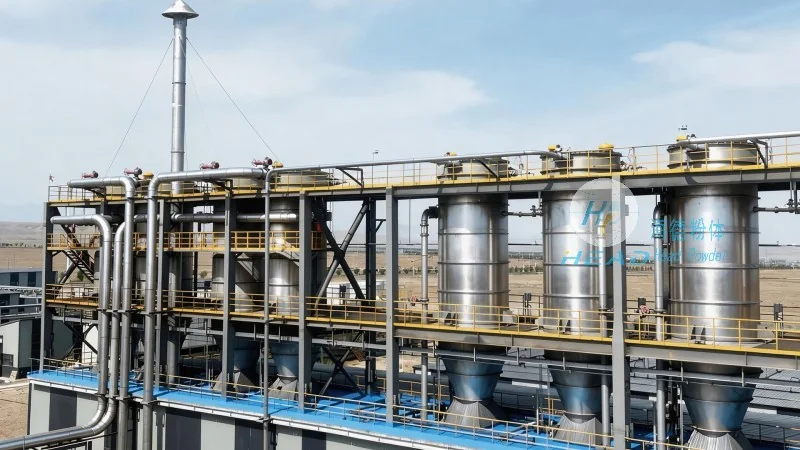
Understanding the Core Requirements for Organic Silicon Powder Conveying
Before diving into system design, it is essential to understand the unique characteristics of organic silicon powder. These materials often have specific flow properties, such as cohesive behavior or varying particle sizes, which can impact system performance. Additionally, factors like production scale, required conveying distance, and environmental regulations must be evaluated to ensure the system meets all operational and compliance standards. HeadPowder, with its extensive experience in powder engineering, emphasizes the importance of a thorough needs assessment to avoid costly design flaws.
Choosing the Right Pneumatic Conveying System Type
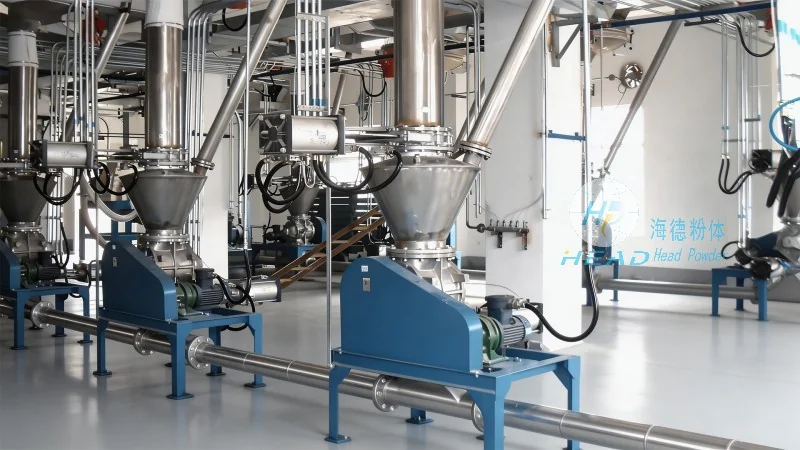
Two primary types of pneumatic conveying systems are commonly used for organic silicon powder: dense-phase and dilute-phase. Dense-phase systems, which use low air velocity and high material concentration, are ideal for handling abrasive or sensitive materials like organic silicon powder, as they minimize particle degradation and reduce wear on equipment. Dilute-phase systems, on the other hand, use higher air velocities and lower material concentrations, making them suitable for shorter distances or less demanding applications. The choice between these systems depends on the specific project requirements, with HeadPowder experts recommending a dense-phase approach for most organic silicon powder applications due to its superior material protection and efficiency.
Key Equipment Selection for Reliable Operation
Several critical components must be carefully selected to ensure the longevity and performance of an organic silicon powder pneumatic conveying system. The first is the feeder, which is responsible for feeding the powder into the system at a consistent rate. For organic silicon powder, a rotary valve or a star feeder is often preferred, as they can handle cohesive materials without clogging. These feeders are designed to break up agglomerates and ensure a uniform flow of powder into the conveying line. The second component is the conveying line, typically made of stainless steel or other corrosion-resistant materials, to prevent material buildup and ensure smooth flow. The choice of material for the conveying line depends on the chemical properties of the organic silicon powder, with stainless steel being a common choice for its resistance to corrosion and wear. The third key element is the separator, which separates the powder from the air at the end of the conveying line. Cyclone separators are commonly used for organic silicon powder due to their efficiency in capturing fine particles. These separators work by using centrifugal force to separate the heavier powder particles from the lighter air, with the powder being collected in a collection bin and the air being filtered and discharged. HeadPowder engineers stress that each component must be matched to the specific characteristics of the organic silicon powder to avoid system inefficiencies or failures.
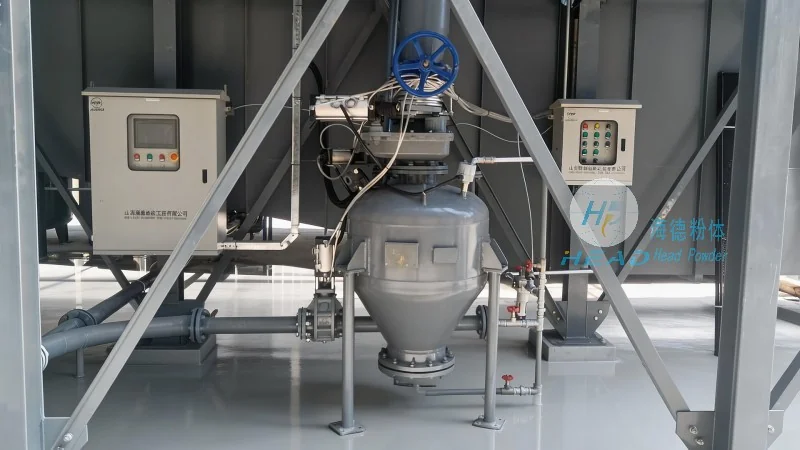
Designing the Conveying Process Flow
The process flow of an organic silicon powder pneumatic conveying system involves several stages, from raw material storage to final discharge. The system typically starts with a storage silo or hopper, where the organic silicon powder is stored under controlled conditions to prevent moisture absorption or degradation. These storage vessels are equipped with airtight seals and moisture barriers to maintain the quality of the organic silicon powder. From the storage silo, the powder is fed into the feeder, which then transfers it to the conveying line. The conveying line transports the powder to the destination, such as a processing unit or a storage silo. The separator at the end of the line separates the powder from the air, with the powder being collected in a collection bin and the air being filtered and discharged. HeadPowder’s design approach focuses on creating a seamless flow that minimizes material loss and maximizes system efficiency, with each stage optimized for the specific organic silicon powder being handled. For example, the feeder speed is adjusted based on the required flow rate, and the conveying line diameter is selected to ensure the air velocity is within the optimal range for dense-phase conveying.
System Control and Optimization for Continuous Performance
Effective control systems are essential for maintaining the stability and efficiency of an organic silicon powder pneumatic conveying system. Modern systems often use programmable logic controllers (PLCs) to monitor and adjust key parameters, such as air pressure, material flow rate, and separator performance. HeadPowder incorporates advanced control strategies, including feedback loops and real-time monitoring, to ensure the system operates within optimal parameters. Additionally, regular performance monitoring and data analysis help identify potential issues before they become major problems, allowing for proactive maintenance and system optimization. This approach not only improves system reliability but also reduces downtime and operational costs for clients.
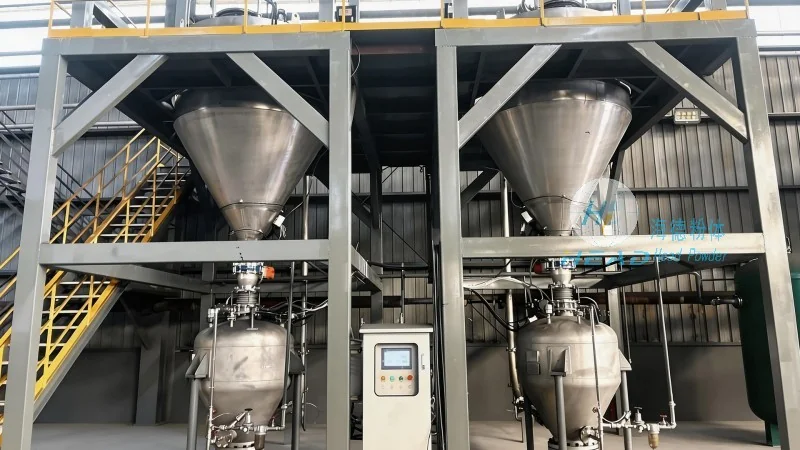
Maintenance and Troubleshooting Best Practices
Proper maintenance is crucial for the long-term performance of an organic silicon powder pneumatic conveying system. Regular inspections of components, such as feeders, conveying lines, and separators, are necessary to detect and address issues early. For organic silicon powder systems, this includes checking for material buildup, wear on parts, and air leakage. HeadPowder recommends a preventive maintenance schedule that includes routine cleaning, lubrication, and component replacement to ensure the system operates at peak efficiency. In the event of system issues, such as clogging or reduced conveying capacity, troubleshooting steps should be followed systematically. Common issues with organic silicon powder systems include feeder clogging due to cohesive behavior or separator inefficiency due to fine particle size. HeadPowder’s technical support team provides guidance on troubleshooting and maintenance, helping clients resolve issues quickly and minimize downtime.

 Shandong Headpowder Engineering Co., Ltd.
 156-6277-7102(Quản lý Trương)
  0531-83386006
  Thành phố Tế Nam, Tỉnh Sơn Đông, Trung Quốc
Điện thoại
WeChatTư vấn
Lên đầu