Với hơn 10 năm kinh nghiệm về vận chuyển khí nén, Headpowder Sơn Đông cung cấp hệ thống, thiết bị và quạt gió toàn chuỗi, đảm nhận các dự án kỹ thuật bột trọn gói trên toàn quốc.
When it comes to handling silica micropowders efficiently and safely, a well-designed pneumatic conveying system is crucial. This guide from Shandong HeadPowder Engineering Co., Ltd. outlines key considerations and best practices for creating an effective system tailored to your specific needs.
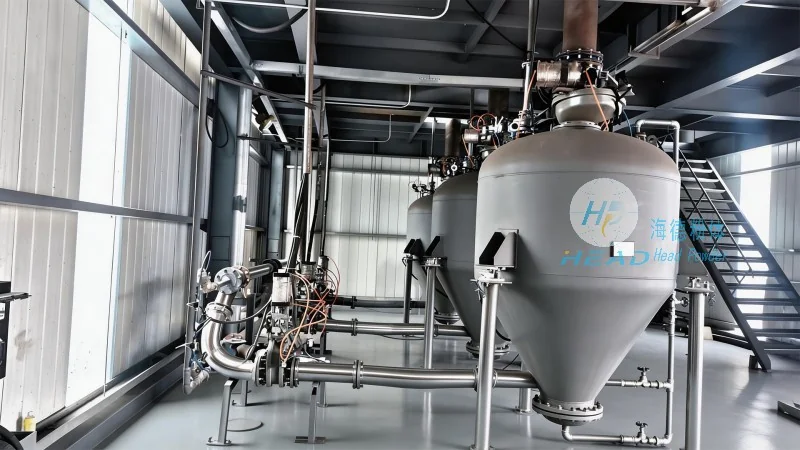
Understanding the Core Requirements of Silica Micropowder Handling
Before diving into system design, it's essential to understand the unique properties of silica micropowders. These fine particles often present challenges such as high dust generation, potential for caking, and sensitivity to moisture. The design of a pneumatic conveying system must account for these characteristics to ensure optimal performance and minimal operational issues.
Key Design Factors for Pneumatic Conveying Systems
Several critical factors influence the effectiveness of a silica micropowder pneumatic conveying system. The first is the material's particle size and density, which directly impact air velocity requirements and system pressure. For headpowder's silica micropowders, typical particle sizes range from 1 to 100 microns, with densities around 2.6 g/cm³. These specifications dictate the necessary air flow rates and pressure differentials to maintain stable transport.
Another vital consideration is the system's layout and configuration. A well-planned system should minimize bends and transitions to reduce pressure losses and prevent particle degradation. HeadPowder recommends using straight-line or gently curved pipelines with appropriate diameter sizing to maintain consistent air velocity. For instance, a 50 mm diameter pipe may be suitable for low to medium flow rates, while larger diameters are required for high-capacity applications.
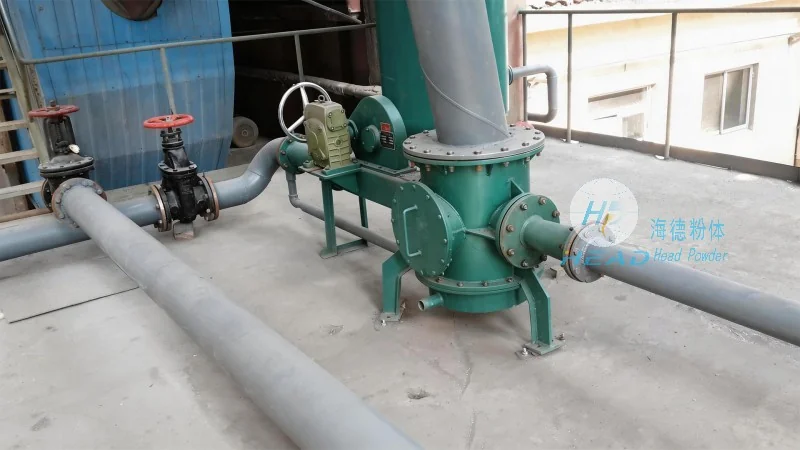
Material Selection and Equipment Sizing
The choice of materials for system components is paramount, especially when dealing with silica micropowders. Stainless steel or high-grade plastic components are preferred to prevent corrosion and ensure durability. The system's pumps and valves must be sized to handle the specific flow rates and pressure requirements. For silica micropowders, positive displacement blowers or rotary lobe pumps are commonly used due to their ability to maintain consistent air pressure and flow.
Addressing Common Challenges in Silica Micropowder Conveying
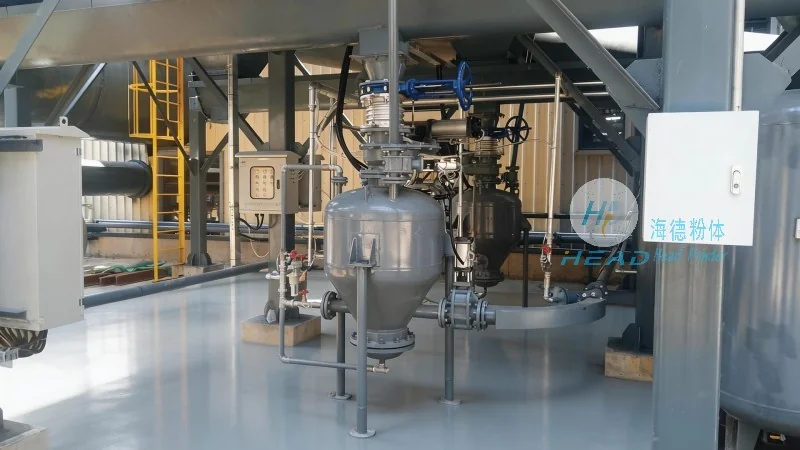
Operational challenges such as clogging and particle segregation are common in pneumatic conveying systems. To mitigate these issues, HeadPowder suggests incorporating features like pulse-jet cleaning for pipelines and using inline mixers to ensure uniform particle distribution. Additionally, proper filtration and dust collection systems are essential to maintain air quality and comply with environmental regulations.
Conclusion: Partnering with HeadPowder for System Solutions
Designing a reliable silica micropowder pneumatic conveying system requires a deep understanding of both the material properties and system engineering principles. By considering factors such as particle characteristics, system layout, and equipment selection, businesses can achieve efficient and safe material handling. Shandong HeadPowder Engineering Co., Ltd. offers expert consultation and tailored solutions to help clients design and implement effective pneumatic conveying systems for their silica micropowder applications.

 Shandong Headpowder Engineering Co., Ltd.
 156-6277-7102(Quản lý Trương)
  0531-83386006
  Thành phố Tế Nam, Tỉnh Sơn Đông, Trung Quốc
Điện thoại
WeChatTư vấn
Lên đầu