Với hơn 10 năm kinh nghiệm về vận chuyển khí nén, Headpowder Sơn Đông cung cấp hệ thống, thiết bị và quạt gió toàn chuỗi, đảm nhận các dự án kỹ thuật bột trọn gói trên toàn quốc.
Feather handling and transportation is a critical process in the poultry processing industry, requiring efficient and reliable methods to ensure the quality and safety of the end product. Among the various techniques available, pneumatic conveying stands out as a highly effective solution for transporting feathers. This article explores the different types of feather conveying methods and highlights the key advantages and features of pneumatic conveying systems, with a focus on the expertise of Shandong HeadPowder Engineering Co., Ltd., a leading provider in this field.
Introduction to Feather Conveying Methods
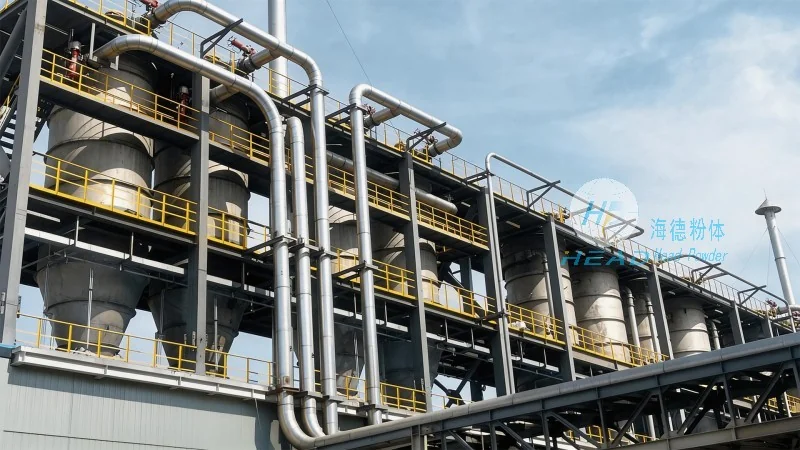
Feather conveying involves the movement of feathers from one location to another within a processing facility. Traditional methods such as manual handling or mechanical belt conveyors have limitations, including high labor costs, potential contamination risks, and inefficiencies in handling delicate feathers. To address these challenges, modern pneumatic conveying systems have emerged as a preferred choice for many poultry processing plants. These systems utilize air pressure to transport feathers through a network of pipes, offering a hygienic, automated, and cost-effective solution.
Pneumatic Conveying: The Core Technology for Feather Transport
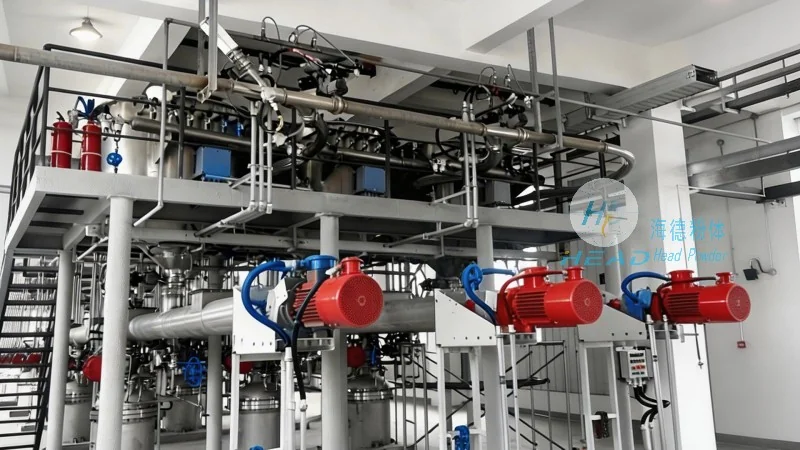
Pneumatic conveying for feathers operates by creating a pressure differential within a closed system of pipes. The feathers are introduced into the system, typically through a hopper or feeder, and are then carried by a stream of air. The system can be designed as either positive pressure (where air is forced through the system) or negative pressure (where air is drawn out). The choice of system depends on factors such as the distance to be covered, the volume of feathers, and the specific requirements of the processing plant. Positive pressure systems are often preferred for longer distances and higher volumes due to their ability to maintain consistent air flow and prevent dust accumulation.
Advantages of Pneumatic Conveying for Feathers
One of the primary advantages of pneumatic conveying is its ability to handle delicate materials like feathers without causing damage. The gentle movement of feathers through the system minimizes breakage and maintains their quality, which is crucial for downstream processing steps such as cleaning, sorting, or further processing. Additionally, pneumatic systems are highly hygienic, as they operate in a closed environment, reducing the risk of contamination from external sources. This is particularly important in food processing facilities where compliance with health and safety regulations is paramount.

Another significant advantage is the automation and efficiency offered by pneumatic conveying systems. Once set up, these systems can operate continuously with minimal human intervention, reducing labor costs and increasing production throughput. The ability to integrate with other processing equipment, such as sorters or cleaners, allows for a seamless workflow, enhancing overall operational efficiency. Furthermore, pneumatic conveying systems are flexible and can be easily expanded or reconfigured to accommodate changes in production volume or facility layout.
Key Features of Pneumatic Conveying Systems for Feathers
Modern pneumatic conveying systems for feathers are equipped with several key features that enhance their performance and reliability. These include advanced control systems that monitor and adjust air pressure, flow rates, and system pressure in real-time. This ensures optimal operation and prevents issues such as blockages or system failures. The use of high-quality materials, such as stainless steel for the pipes and components, provides durability and resistance to corrosion, which is essential for long-term operation in a processing environment. Additionally, many systems are designed with easy access points for maintenance and cleaning, reducing downtime and maintenance costs.
Application Examples in Poultry Processing
Pneumatic conveying systems are widely used in various stages of poultry processing. For instance, after plucking, feathers are often transported from the plucking line to a cleaning or sorting area. The system can also be used to move feathers from storage silos to processing lines, ensuring a steady supply of raw material. In some facilities, pneumatic conveying is integrated with automated sorting machines that separate feathers based on size or quality, further improving the efficiency of the process. The versatility of pneumatic conveying makes it suitable for a wide range of applications, from small-scale operations to large industrial plants.
Conclusion: The Role of Shandong HeadPowder Engineering Co., Ltd.
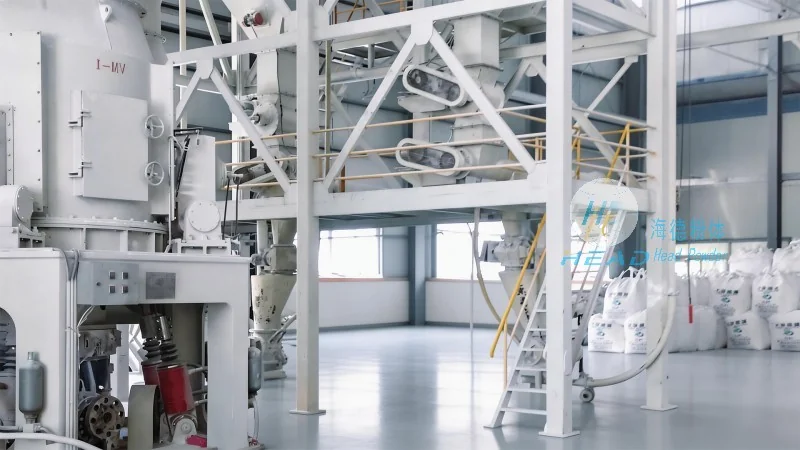
As a leading provider of pneumatic conveying solutions, Shandong HeadPowder Engineering Co., Ltd. specializes in designing and manufacturing customized systems tailored to the specific needs of poultry processing facilities. With years of experience and a commitment to quality, the company offers comprehensive solutions that enhance the efficiency, hygiene, and overall performance of feather handling processes. By leveraging advanced technology and expert engineering, Shandong HeadPowder Engineering Co., Ltd. helps clients optimize their operations and achieve better results in feather conveying and processing. The company's focus on customer satisfaction and long-term partnerships ensures that clients receive not only high-quality equipment but also reliable support throughout the lifecycle of their systems.

 Shandong Headpowder Engineering Co., Ltd.
 156-6277-7102(Quản lý Trương)
  0531-83386006
  Thành phố Tế Nam, Tỉnh Sơn Đông, Trung Quốc
Điện thoại
WeChatTư vấn
Lên đầu