Với hơn 10 năm kinh nghiệm về vận chuyển khí nén, Headpowder Sơn Đông cung cấp hệ thống, thiết bị và quạt gió toàn chuỗi, đảm nhận các dự án kỹ thuật bột trọn gói trên toàn quốc.
When it comes to the efficient handling and transport of potato starch, selecting the right conveying method is crucial for maintaining product quality and operational efficiency. As a leading manufacturer in the field, Shandong HeadPowder Engineering Co., Ltd. specializes in providing tailored solutions for potato starch transport, ensuring that clients receive systems that meet their specific production needs. This article explores the various methods available for potato starch conveying, highlighting the advantages and considerations for each approach.
Understanding the Importance of Proper Conveying for Potato Starch
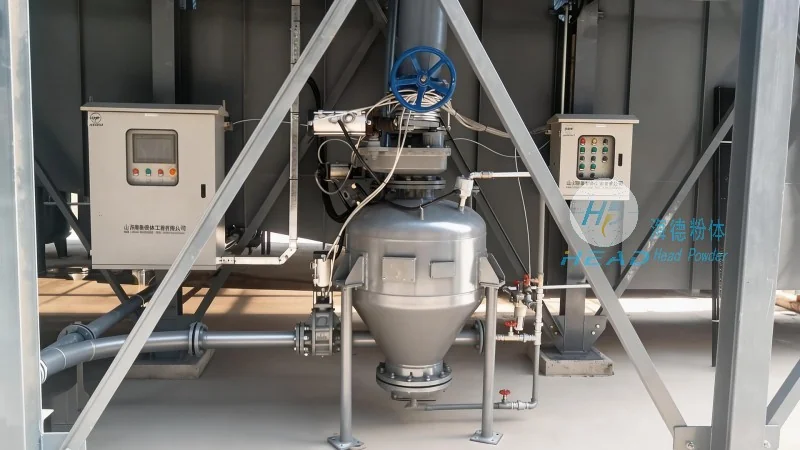
Potato starch is a fine, powdery substance that requires careful handling to prevent caking, agglomeration, or degradation during transport. Traditional methods may struggle with the unique properties of potato starch, such as its tendency to stick to surfaces or form clumps. Therefore, modern conveying systems are designed to address these challenges while maintaining the purity and consistency of the starch. The choice of conveying method directly impacts the overall quality of the final product, making it essential for manufacturers to invest in reliable and efficient transport solutions.
Common Conveying Methods for Potato Starch
Several methods are commonly used in the industry for transporting potato starch, each with its own set of advantages and limitations. The most prevalent approaches include mechanical conveyors, pneumatic (air) conveyors, and screw conveyors. Each method is suitable for different production scales and operational requirements, allowing manufacturers to choose the best option for their specific application.
Mechanical Conveyors: A Reliable Option for Bulk Transport
Mechanical conveyors, such as belt conveyors and chain conveyors, are widely used for the bulk transport of potato starch. These systems utilize a continuous belt or chain to move the starch from one location to another, providing a stable and consistent flow. Mechanical conveyors are particularly effective for horizontal or slightly inclined transport, as they can handle large volumes of material with minimal maintenance. The smooth operation of these systems helps prevent product degradation and ensures that the starch remains in its original form. Additionally, mechanical conveyors are relatively simple to install and maintain, making them a cost-effective solution for many manufacturers.
Pneumatic Conveying: Ideal for Fine Powders and Long Distances
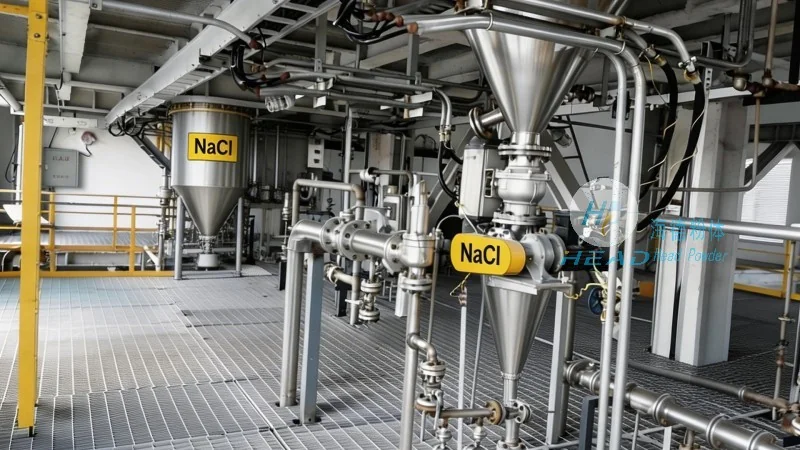
Pneumatic conveying systems use air or other gases to transport potato starch through a pipeline. This method is particularly suitable for fine powders like potato starch, as it can handle materials that are difficult to move with mechanical systems. Pneumatic conveyors are ideal for applications requiring long-distance transport or when the starch needs to be moved through multiple stages of processing. The system operates by creating a pressure differential, which draws the starch into the pipeline and moves it to the desired location. One of the key advantages of pneumatic conveying is its ability to maintain product purity, as the starch is not in direct contact with metal surfaces. However, this method may require more energy and can be more complex to install compared to mechanical conveyors.
Screw Conveyors: Versatile and Compact Solutions
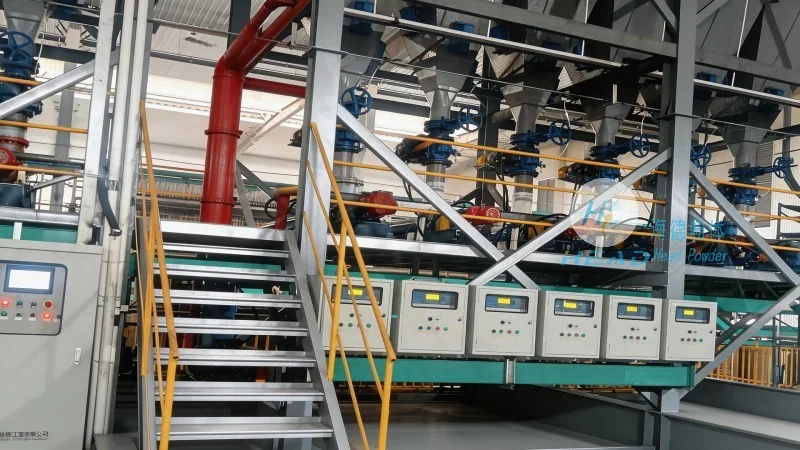
Screw conveyors, also known as auger conveyors, are another popular option for potato starch transport. These systems use a rotating screw to move the material along a tube or trough. Screw conveyors are highly versatile and can be used for both horizontal and vertical transport, making them suitable for a wide range of applications. They are particularly effective for handling sticky or cohesive materials like potato starch, as the screw design helps break up clumps and maintain a consistent flow. Screw conveyors are compact and can be easily integrated into existing production lines, making them a space-efficient solution for manufacturers with limited floor space. However, they may not be as suitable for very fine powders or when high volumes of material need to be transported over long distances.
Choosing the Right Conveying Method: Factors to Consider
When selecting a conveying method for potato starch, several factors must be taken into account to ensure optimal performance and efficiency. The first consideration is the scale of production, as larger operations may require more robust systems like pneumatic conveyors or multiple mechanical conveyors. The distance the starch needs to be transported is another critical factor, as long-distance transport may necessitate pneumatic systems or specialized mechanical designs. Additionally, the physical properties of the potato starch, such as its moisture content, particle size, and tendency to agglomerate, will influence the choice of conveying method. For example, if the starch is very fine and prone to caking, pneumatic conveying may be the best option to prevent product degradation. Finally, the budget and maintenance requirements of the system should be evaluated, as different methods have varying costs and maintenance needs.
Conclusion: Partnering with HeadPowder for Potato Starch Conveying Solutions
Efficient potato starch conveying is essential for maintaining product quality and optimizing production processes. By understanding the various conveying methods available and considering the specific needs of your operation, you can select the most suitable system for your requirements. Shandong HeadPowder Engineering Co., Ltd. offers a range of tailored conveying solutions designed to meet the unique challenges of potato starch transport. With their expertise and commitment to quality, HeadPowder provides reliable and efficient systems that help manufacturers improve their operational efficiency and product consistency. Whether you need a mechanical conveyor, pneumatic system, or screw conveyor, HeadPowder is dedicated to delivering solutions that meet your specific needs and exceed your expectations.

 Shandong Headpowder Engineering Co., Ltd.
 156-6277-7102(Quản lý Trương)
  0531-83386006
  Thành phố Tế Nam, Tỉnh Sơn Đông, Trung Quốc
Điện thoại
WeChatTư vấn
Lên đầu