Với hơn 10 năm kinh nghiệm về vận chuyển khí nén, Headpowder Sơn Đông cung cấp hệ thống, thiết bị và quạt gió toàn chuỗi, đảm nhận các dự án kỹ thuật bột trọn gói trên toàn quốc.
Efficient and reliable grain handling is crucial for modern agricultural and food processing operations. A well-designed pneumatic conveying system is a cornerstone of this efficiency, enabling seamless movement of bulk materials like grains from storage to processing or packaging units. This article provides an overview of the key considerations and steps involved in designing a rational grain pneumatic conveying system, with insights from Shandong HeadPowder Engineering Co., Ltd., a leading provider in the field.
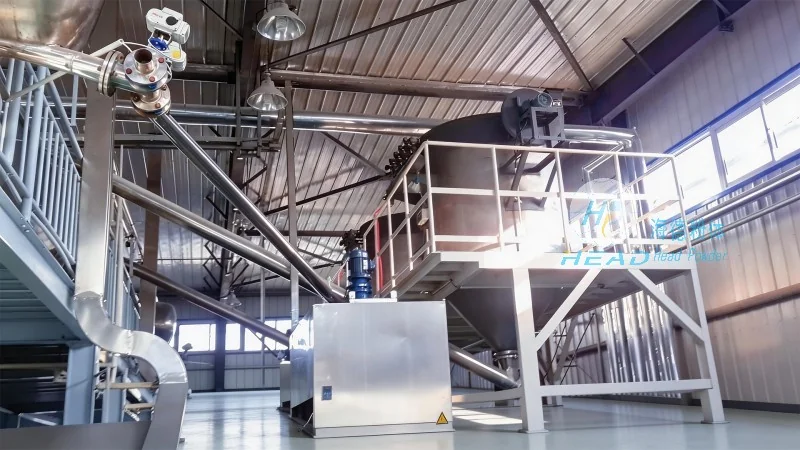
Understanding the Core Principles of Grain Pneumatic Conveying
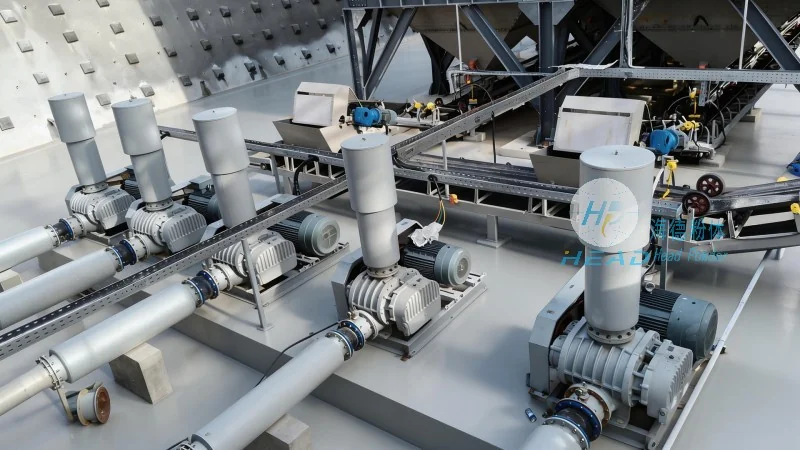
At the heart of any successful grain pneumatic conveying system is a clear understanding of the material properties and the operational requirements. Grains vary in size, moisture content, and density, which directly impact the system's design. For instance, lighter, more delicate grains may require lower air velocities to prevent product damage, while heavier or abrasive grains can handle higher velocities with appropriate equipment. The system's design must also consider the distance to be covered, the number of transfer points, and the desired flow rate. These factors collectively determine the type of conveying system—whether it's a dilute-phase or dense-phase system—and the specific components needed, such as airlocks, cyclones, and dust collectors.
Key Design Considerations for Optimal Performance
Designing a rational grain pneumatic conveying system involves a systematic approach that balances efficiency, cost, and reliability. One of the first steps is to assess the material's characteristics, including its bulk density, particle size distribution, and flowability. This information is critical for selecting the appropriate air velocity and system pressure. For example, a dilute-phase system, which uses low air-to-material ratios, is suitable for short distances and moderate flow rates, while a dense-phase system, with higher material concentrations, is ideal for longer distances and higher capacities. The choice of system type also influences the selection of components like the conveyor's inlet and outlet designs, as well as the type of air supply—whether it's a positive displacement blower or a centrifugal fan.
Component Selection and Integration
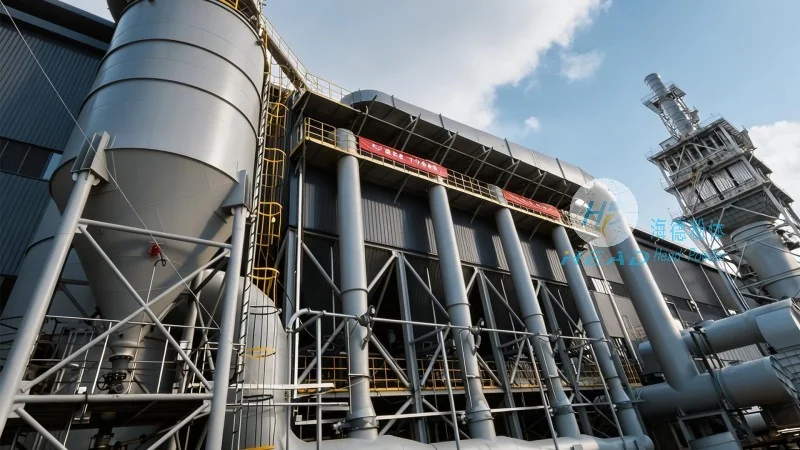
Shandong HeadPowder Engineering Co., Ltd. emphasizes the importance of integrating high-quality components to ensure the system's longevity and performance. The airlock, for instance, is a critical component that separates the conveying line from the storage or processing equipment, preventing backflow and maintaining consistent material flow. Cyclones are used to separate the conveyed material from the air stream, while dust collectors capture any residual particles to comply with environmental regulations. The selection of these components depends on the material's properties and the system's operating conditions. For example, a cyclone with a larger diameter may be needed for handling heavier grains, while a smaller one suffices for lighter products. The air supply system, including the blower and its controls, must be sized to provide sufficient pressure and airflow to meet the system's demands without excessive energy consumption.
System Optimization and Maintenance
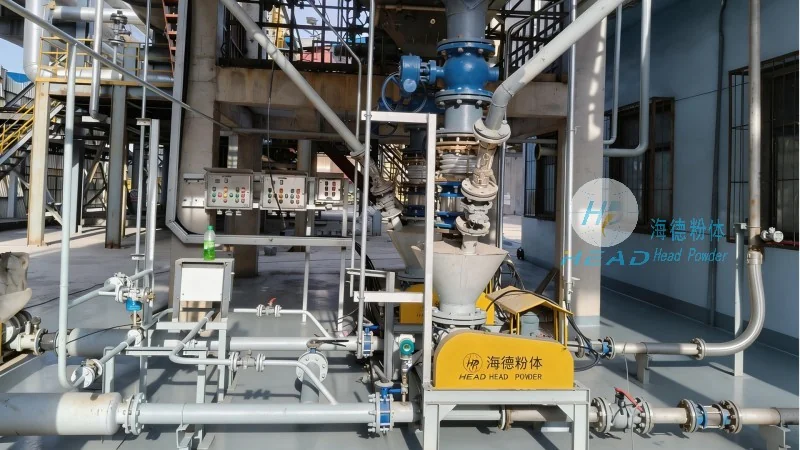
Once the system is installed, ongoing optimization and regular maintenance are essential to maintain peak performance. Monitoring the system's performance, such as flow rates and pressure drops, helps identify any inefficiencies or potential issues. Adjusting the air velocity or pressure as needed can improve efficiency and reduce energy costs. Regular maintenance, including cleaning of cyclones and dust collectors, and checking for wear and tear on components like bearings and seals, ensures the system operates reliably over time. Shandong HeadPowder Engineering Co., Ltd. offers comprehensive support services, including system audits and maintenance programs, to help clients maximize the lifespan and efficiency of their grain pneumatic conveying systems.
Conclusion
Designing a rational grain pneumatic conveying system requires a thorough understanding of the material properties, operational requirements, and available technologies. By following a systematic approach and selecting high-quality components, as recommended by experts like Shandong HeadPowder Engineering Co., Ltd., businesses can achieve efficient, reliable, and cost-effective grain handling solutions. Whether for short or long-distance transfers, the right system design can significantly enhance productivity and reduce operational costs in the grain processing industry.

 Shandong Headpowder Engineering Co., Ltd.
 156-6277-7102(Quản lý Trương)
  0531-83386006
  Thành phố Tế Nam, Tỉnh Sơn Đông, Trung Quốc
Điện thoại
WeChatTư vấn
Lên đầu