Với hơn 10 năm kinh nghiệm về vận chuyển khí nén, Headpowder Sơn Đông cung cấp hệ thống, thiết bị và quạt gió toàn chuỗi, đảm nhận các dự án kỹ thuật bột trọn gói trên toàn quốc.
Wood fiber conveying is a critical process in various industrial applications, particularly in the pulp and paper industry, as well as in other sectors where wood-based materials are processed. The efficiency and effectiveness of conveying wood fibers directly impact production quality, operational costs, and overall system reliability. Understanding the different methods used for wood fiber conveyance is essential for selecting the most suitable technology for specific operational needs. This article provides a detailed comparison of common wood fiber conveying methods, highlighting their characteristics, advantages, and typical applications.
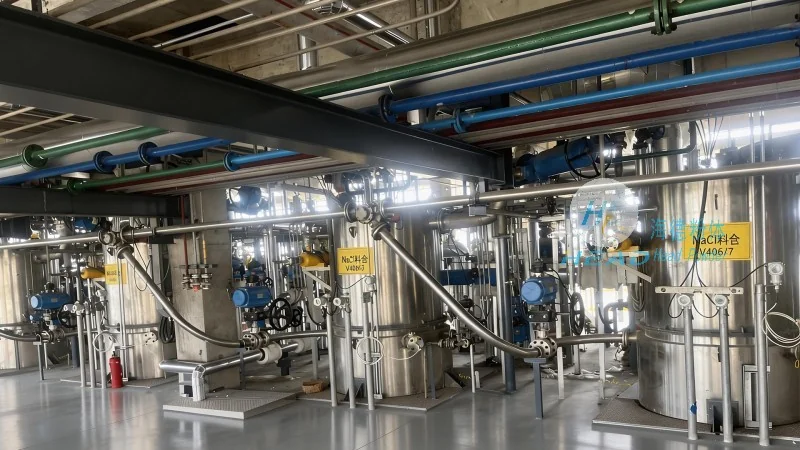
Understanding Wood Fiber Conveying Methods
Before delving into the comparison of specific conveying methods, it is important to understand the fundamental principles and considerations that guide the selection of wood fiber conveying systems. Wood fibers, due to their lightweight, fibrous nature, present unique challenges in handling and transportation. They can be prone to bridging, clogging, and uneven distribution if not handled properly. Therefore, conveying systems must be designed to maintain consistent flow, prevent material degradation, and ensure energy efficiency. Key factors influencing the choice of conveying method include the type and size of wood fibers, the required conveying distance, the desired flow rate, and the environmental conditions of the processing plant.
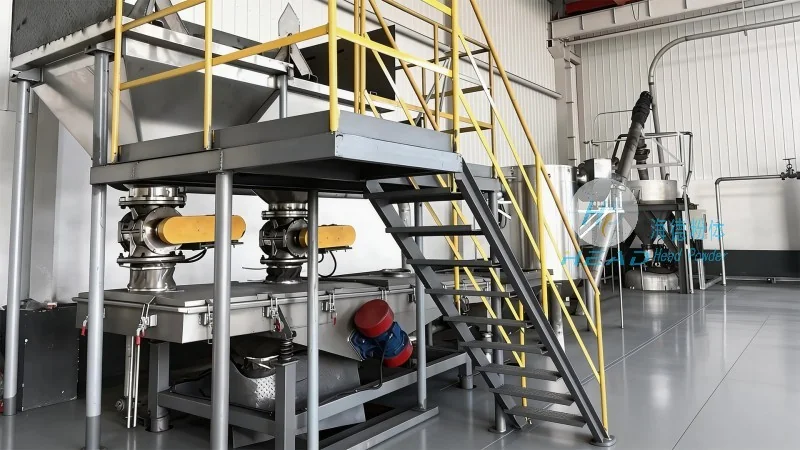
Gravity Conveying Systems
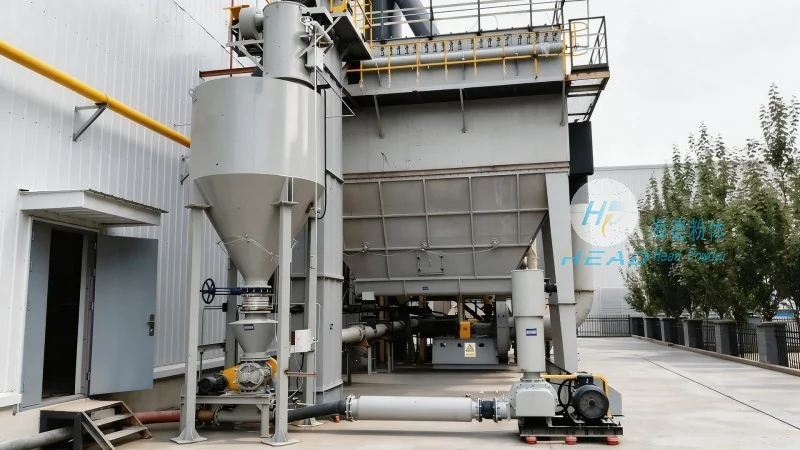
Gravity conveying, also known as incline or chute conveying, relies on the natural force of gravity to move wood fibers from one point to another. This method is typically used for short to medium conveying distances and is particularly effective when the material is to be moved from a higher elevation to a lower one. The primary components of a gravity conveying system include chutes, hoppers, and sometimes intermediate storage bins. The design of the chute is critical, as it must be smooth and free of sharp edges to prevent fiber breakage or damage. The angle of inclination is carefully calculated to ensure a consistent flow rate without causing excessive wear on the system components. One of the main advantages of gravity conveying is its simplicity and low operational cost, as it does not require external power sources. However, it is limited by the need for a vertical or steeply inclined path and is not suitable for long horizontal distances or when the material needs to be moved against gravity.
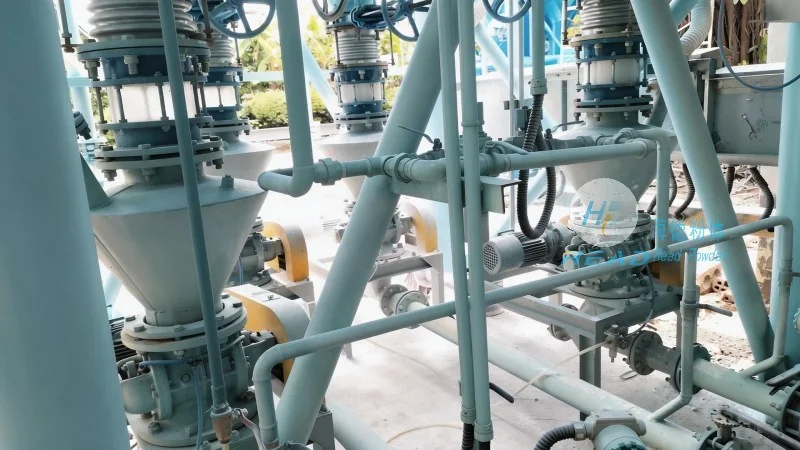
Pneumatic Conveying Systems
Pneumatic conveying, or air-assisted conveying, uses a combination of air and mechanical components to transport wood fibers. This method is highly versatile and can handle a wide range of material types and sizes, including fine wood fibers and chips. Pneumatic systems can be categorized into two main types: pressure and vacuum. Pressure systems use compressed air to push the material through a pipeline, while vacuum systems use a vacuum to draw the material into the pipeline. The choice between pressure and vacuum depends on the specific application, with pressure systems being more suitable for long-distance conveying and high flow rates, and vacuum systems being better for short distances and when the material needs to be collected from multiple points. Pneumatic conveying systems are known for their ability to handle abrasive materials without causing significant wear, and they can also be used to transport materials over obstacles or in areas with limited access. However, they require a continuous supply of compressed air or vacuum, which adds to the operational costs. Additionally, the system must be properly sealed to prevent air leakage and material loss.

 Shandong Headpowder Engineering Co., Ltd.
 156-6277-7102(Quản lý Trương)
  0531-83386006
  Thành phố Tế Nam, Tỉnh Sơn Đông, Trung Quốc
Điện thoại
WeChatTư vấn
Lên đầu