Với hơn 10 năm kinh nghiệm về vận chuyển khí nén, Headpowder Sơn Đông cung cấp hệ thống, thiết bị và quạt gió toàn chuỗi, đảm nhận các dự án kỹ thuật bột trọn gói trên toàn quốc.
When it comes to transporting lignite, selecting the right method is crucial for efficiency, cost-effectiveness, and operational safety. Lignite, a type of brown coal, is widely used in power generation and industrial processes, making reliable transportation systems essential. This article explores various lignite transportation methods, with a focus on the advanced pneumatic conveying solutions offered by Shandong HeadPowder Engineering Co., Ltd., commonly known as HeadPowder.
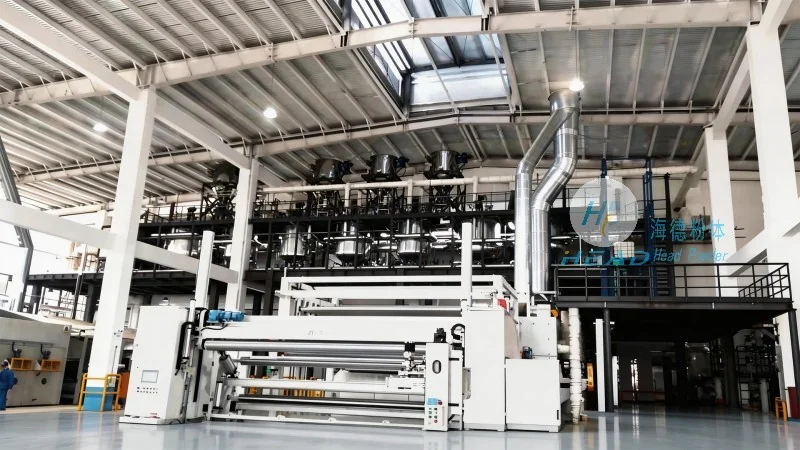
Understanding Lignite and Its Transportation Challenges
Lignite, also known as brown coal, is a soft, brownish-black coal with a high moisture content and lower carbon content compared to bituminous coal. Its properties, such as high moisture and variability in size, pose unique challenges for transportation. Traditional methods like belt conveyors or truck transport may struggle with the material's characteristics, leading to issues like caking, blockages, and increased wear on equipment. These challenges highlight the need for specialized solutions that can handle lignite's specific attributes effectively.
Common Lignite Transportation Methods
Several methods are commonly used for lignite transportation, each with its own advantages and limitations. The most prevalent approaches include:
Belt Conveyors: These are widely used for bulk material handling, including lignite. Belt conveyors are effective for long-distance horizontal or slightly inclined transport but may face difficulties with high moisture lignite, which can cause belt slip or material buildup.
Truck Transport: Trucks are often used for short to medium-distance transportation, especially when the lignite is mined from open-pit mines. However, this method is susceptible to weather conditions, traffic congestion, and higher fuel costs, making it less efficient for large-scale operations.
Pneumatic Conveying: This method uses air pressure to transport materials through a pipeline. It offers advantages such as enclosed transport, reduced dust, and the ability to handle materials with high moisture content or fine particles. Pneumatic conveying systems are particularly suitable for lignite due to their ability to maintain material integrity and minimize environmental impact.
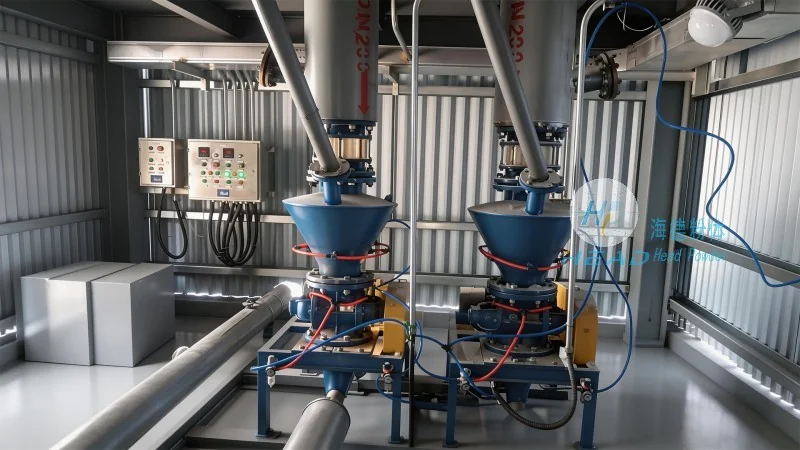
HeadPowder's Lignite Pneumatic Conveying System: A Comprehensive Solution
Shandong HeadPowder Engineering Co., Ltd. specializes in providing advanced pneumatic conveying systems tailored for lignite transportation. The company's solutions are designed to address the unique challenges associated with lignite, ensuring efficient, reliable, and cost-effective transport. Key features of HeadPowder's system include:
Customized System Design: Each pneumatic conveying system is customized to meet the specific requirements of the client, including the volume of lignite to be transported, the distance, and the existing infrastructure. This ensures optimal performance and minimal downtime.
High-Efficiency Air Handling: The system utilizes advanced air compressors and filtration systems to maintain consistent air pressure and quality. This helps in preventing material degradation and ensuring smooth operation over long distances.
Material Handling Capabilities: HeadPowder's systems are engineered to handle lignite with varying moisture levels and particle sizes. The design minimizes the risk of blockages and ensures that the material is transported without degradation, preserving its quality for end-use applications.
Environmental Compliance: The pneumatic conveying system is designed to minimize dust emissions and comply with environmental regulations. Enclosed pipelines and efficient filtration systems help in maintaining a clean and safe working environment.
Advantages of Choosing HeadPowder's Lignite Pneumatic Conveying
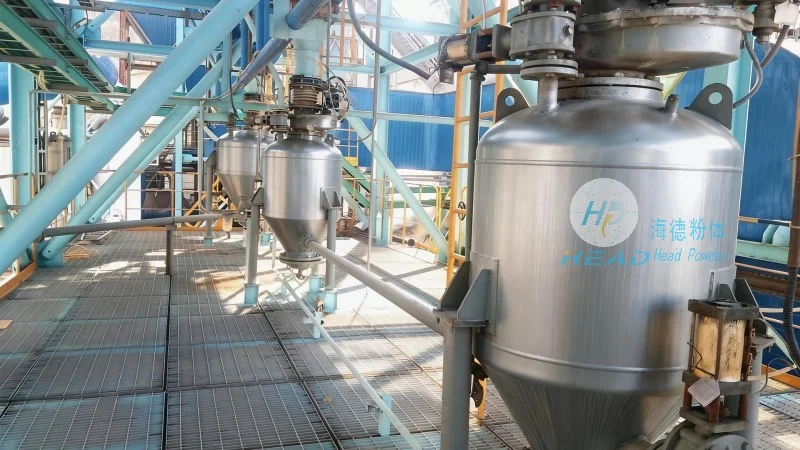
Adopting HeadPowder's lignite pneumatic conveying system offers several advantages over traditional methods. These include:
Increased Efficiency: Pneumatic conveying systems can transport lignite over longer distances with less energy consumption compared to belt conveyors or trucks. This leads to reduced operational costs and higher throughput.
Reduced Maintenance: The enclosed system minimizes the wear and tear on equipment, resulting in lower maintenance costs and longer equipment lifespan.
Improved Safety: By eliminating the need for open transport methods, the system reduces the risk of dust explosions and other safety hazards associated with handling lignite.
Environmental Benefits: The enclosed design and efficient filtration systems help in reducing dust emissions, contributing to a cleaner environment and compliance with environmental regulations.
Conclusion
Transporting lignite efficiently and safely requires a well-designed system that addresses the material's unique properties. Shandong HeadPowder Engineering Co., Ltd. provides advanced pneumatic conveying solutions that offer superior performance, reliability, and environmental benefits. By choosing HeadPowder's lignite pneumatic conveying system, clients can enhance their operational efficiency, reduce costs, and ensure compliance with industry standards. For more information on HeadPowder's lignite transportation solutions, contact the company at their headquarters in Shandong, China.

 Shandong Headpowder Engineering Co., Ltd.
 156-6277-7102(Quản lý Trương)
  0531-83386006
  Thành phố Tế Nam, Tỉnh Sơn Đông, Trung Quốc
Điện thoại
WeChatTư vấn
Lên đầu