Với hơn 10 năm kinh nghiệm về vận chuyển khí nén, Headpowder Sơn Đông cung cấp hệ thống, thiết bị và quạt gió toàn chuỗi, đảm nhận các dự án kỹ thuật bột trọn gói trên toàn quốc.
For industries dealing with dry powders, selecting the right conveying method is crucial for efficiency, safety, and product integrity. At Shandong HeadPowder Engineering Co., Ltd., we specialize in providing tailored solutions that meet the diverse needs of various sectors. This article explores the most common methods used for dry powder transportation, highlighting their applications and key considerations.
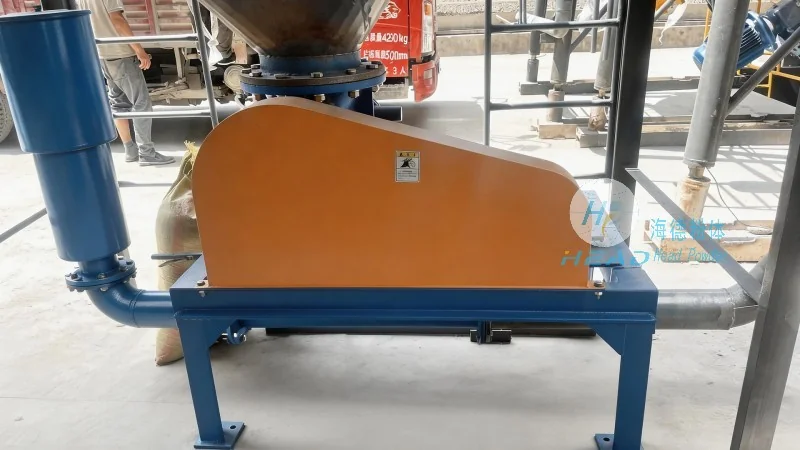
1. Pneumatic Conveying Systems
Pneumatic conveying is a widely used method for transporting dry powders over short to medium distances. This technology utilizes air pressure or vacuum to move material through a pipeline. There are two main types: pressure and vacuum systems. Pressure systems use compressed air to push the powder, while vacuum systems use a vacuum to pull the material. Pneumatic conveying is ideal for handling fine powders and can be designed for both bulk and small-scale applications. It offers advantages such as enclosed transport, which minimizes dust exposure and environmental impact. However, it requires proper maintenance of air filters and pipeline cleaning to prevent clogging and ensure consistent performance.
2. Screw Conveyors
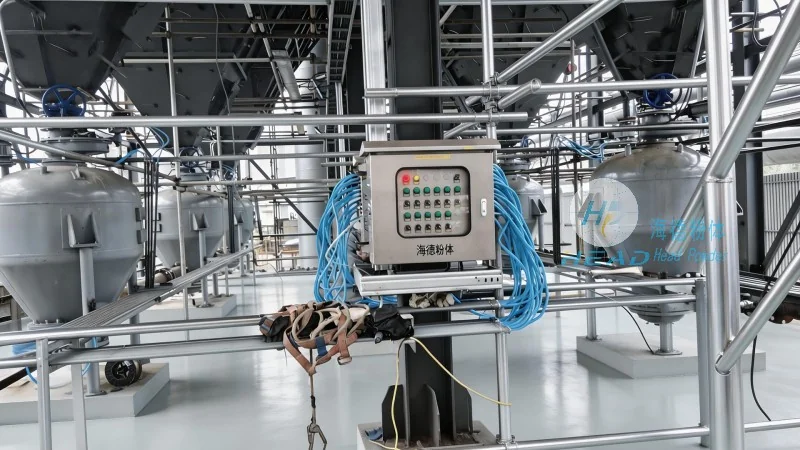
Screw conveyors, also known as auger conveyors, are mechanical devices that use a rotating screw to move dry powders. These systems are suitable for horizontal or slightly inclined transport and are commonly used in industries like food processing, chemical manufacturing, and pharmaceuticals. Screw conveyors are known for their simplicity and reliability. They can handle a wide range of materials, from free-flowing to slightly sticky powders, and are often equipped with variable speed drives to adjust the conveying rate. One of the key benefits is their ability to mix or blend materials as they are transported, which is beneficial for processes requiring uniform composition. However, they may not be suitable for very fine or abrasive powders that could wear down the screw and housing over time.
3. Belt Conveyors
Belt conveyors are another common method for dry powder handling, particularly in bulk material handling applications. These systems use a continuous belt that moves over rollers or pulleys to transport material. Belt conveyors are highly efficient for long-distance transport and can handle large volumes of dry powders. They are often used in mining, construction, and agricultural sectors. The design of the belt and the type of idlers (rollers) can be customized to suit different powder characteristics, such as high moisture content or heavy loads. Belt conveyors offer advantages like low maintenance and the ability to integrate with other processing equipment. However, they require regular inspection to prevent belt slippage or wear, and they may not be suitable for very fine powders that could cause dust accumulation on the belt.
4. Bucket Elevators
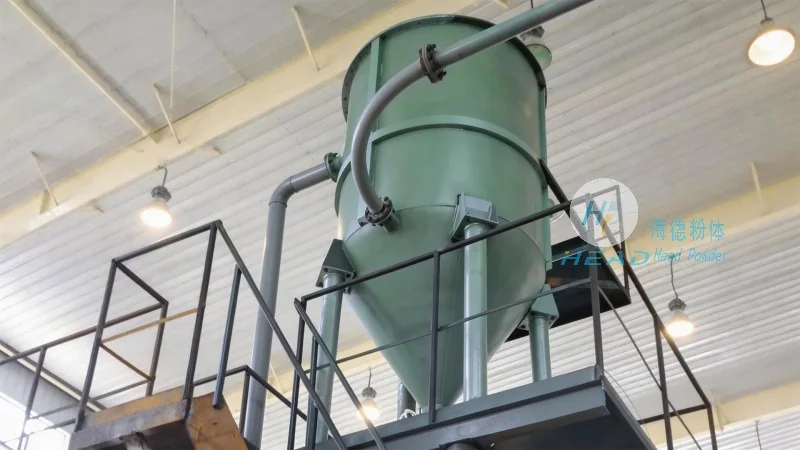
Bucket elevators are vertical or inclined conveyor systems that use buckets attached to a chain or belt to lift and transport dry powders. These systems are ideal for vertical transport over significant heights and are commonly used in industries like cement, flour milling, and chemical processing. Bucket elevators can handle a wide range of materials, from free-flowing to cohesive powders, and are known for their high capacity and efficiency. They are designed to minimize material spillage and dust emission, making them suitable for applications where product purity is critical. However, they require proper alignment and tensioning of the buckets and chain to prevent breakdowns and ensure smooth operation. Regular maintenance is essential to maintain the structural integrity of the system.
5. Air-Lift Conveyors
Air-lift conveyors, also known as pneumatic lift systems, are a specialized type of pneumatic conveying that uses a vertical pipeline to lift dry powders from a lower to a higher level. This method is particularly useful for applications where horizontal space is limited or where the material needs to be elevated to a higher point in the process. Air-lift conveyors operate by creating a vacuum at the bottom of the pipe and using compressed air at the top to lift the material. They are efficient for handling fine powders and can transport material over vertical distances of several meters. These systems are often used in pharmaceutical and food processing industries where product contamination must be minimized. The key advantage is their ability to transport material without the need for additional mechanical components at the lift point, reducing maintenance requirements. However, they may have limitations in terms of the maximum vertical lift height and the capacity for very heavy or abrasive powders.
Why Choose Shandong HeadPowder Engineering Co., Ltd.?
When selecting a dry powder conveying system, it is essential to partner with a company that understands the unique challenges of your industry. Shandong HeadPowder Engineering Co., Ltd., based in Shandong, China, has decades of experience in designing and manufacturing customized conveying solutions. Our team of experts works closely with clients to assess their specific needs, from material characteristics to operational requirements, and provides tailored recommendations. We offer a range of products, including pneumatic conveying systems, screw conveyors, and belt conveyors, all designed to meet the highest standards of efficiency and reliability. Our commitment to quality and customer satisfaction has made us a trusted partner for businesses worldwide. Whether you need a new system installation or maintenance services, we are dedicated to ensuring your dry powder handling operations run smoothly and safely.

 Shandong Headpowder Engineering Co., Ltd.
 156-6277-7102(Quản lý Trương)
  0531-83386006
  Thành phố Tế Nam, Tỉnh Sơn Đông, Trung Quốc
Điện thoại
WeChatTư vấn
Lên đầu