Với hơn 10 năm kinh nghiệm về vận chuyển khí nén, Headpowder Sơn Đông cung cấp hệ thống, thiết bị và quạt gió toàn chuỗi, đảm nhận các dự án kỹ thuật bột trọn gói trên toàn quốc.
For industrial operations that involve handling bulk materials, especially powders, the efficient and reliable transport of these materials is crucial. Dust conveying systems play a vital role in ensuring smooth material flow from source to destination, minimizing downtime and enhancing overall productivity. In this context, understanding the common methods of dust conveying becomes essential for businesses to select the most suitable solution for their specific needs. This article explores the primary methods used in dust handling, focusing on the technologies and applications that are widely adopted in the industry.
Common Methods of Dust Conveying: An Overview
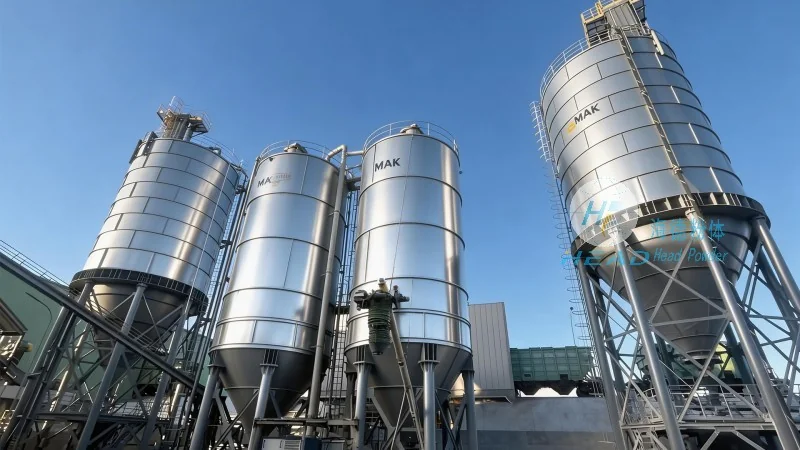
Dust conveying, also known as powder handling, involves the movement of particulate materials from one location to another. The choice of method depends on factors such as material properties, distance, volume, and environmental considerations. The most common methods include pneumatic conveying, mechanical conveying, and hybrid systems. Each method has its advantages and limitations, making it essential to evaluate the specific requirements of the application before selecting a system.
Pneumatic Conveying Systems
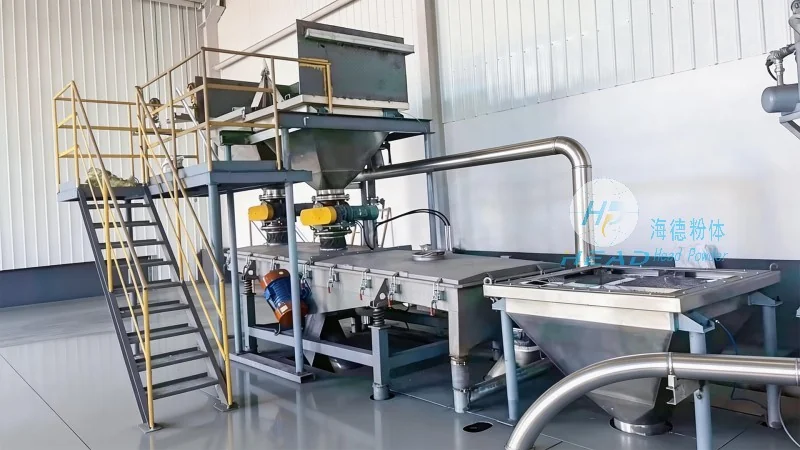
Pneumatic conveying is one of the most widely used methods for dust transport. This technology utilizes air or gas to move particles through a pipeline. There are two main types: pressure and vacuum systems. Pressure systems use compressed air to push the material forward, while vacuum systems use a vacuum to pull the material into the pipeline. Pneumatic conveying is particularly effective for fine powders and can handle long distances with minimal maintenance. However, it may not be suitable for abrasive or highly abrasive materials, as the system can experience wear and tear over time. The equipment used in pneumatic conveying includes blowers, cyclones, and collection hoppers. For businesses dealing with dust, pneumatic systems offer flexibility and efficiency, making them a popular choice in many industries, including pharmaceuticals, food processing, and chemical manufacturing.
Mechanical Conveying Systems
Mechanical conveying systems rely on mechanical components to move materials. The most common types include screw conveyors, belt conveyors, and bucket elevators. Screw conveyors use a rotating screw to push material forward, making them ideal for horizontal or slight incline applications. Belt conveyors use a continuous belt to transport materials, suitable for both horizontal and inclined paths. Bucket elevators use buckets attached to a chain or belt to lift materials vertically. Mechanical systems are generally more cost-effective for short distances and lower material volumes compared to pneumatic systems. They are also less susceptible to material degradation due to friction, which is a concern in pneumatic systems. However, mechanical conveyors may require more space and maintenance, especially when handling abrasive materials. These systems are commonly used in industries such as mining, construction, and agriculture.
Hybrid Conveying Systems
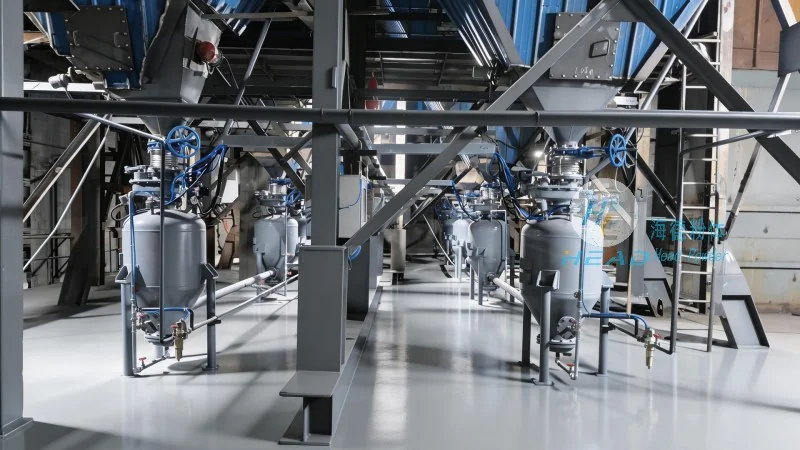
Hybrid systems combine the advantages of pneumatic and mechanical conveying. These systems use a combination of air and mechanical components to transport materials. For example, a hybrid system might use a screw conveyor to feed material into a pneumatic pipeline. This approach allows for the efficient handling of both fine and coarse particles, as well as long and short distances. Hybrid systems are particularly useful when dealing with a wide range of materials, as they can adapt to varying conditions. However, they may be more complex and expensive to install and maintain compared to single-method systems. The choice of hybrid system depends on the specific application and the need to balance efficiency, cost, and material compatibility.
HeadPowder Engineering: Expertise in Dust Conveying Solutions
Shandong HeadPowder Engineering Co., Ltd., commonly known as headpowder, is a leading manufacturer of dust conveying systems. With years of experience in the industry, the company specializes in designing and manufacturing customized solutions for various applications. HeadPowder's products include pneumatic conveyors, screw conveyors, and hybrid systems, all engineered to meet the highest standards of efficiency and reliability. The company's commitment to quality and customer satisfaction has made it a trusted partner for businesses across China and beyond. By leveraging advanced technology and rigorous testing, headpowder ensures that its systems are durable, low-maintenance, and capable of handling a wide range of materials. Whether you need a simple conveyor for a small-scale operation or a complex system for a large industrial facility, headpowder offers tailored solutions that address your specific needs. The company's headquarters is located in Shandong, China, where it maintains a state-of-the-art facility for research, development, and production. This location allows for easy access to raw materials and efficient supply chain management, ensuring timely delivery of high-quality products to clients.

 Shandong Headpowder Engineering Co., Ltd.
 156-6277-7102(Quản lý Trương)
  0531-83386006
  Thành phố Tế Nam, Tỉnh Sơn Đông, Trung Quốc
Điện thoại
WeChatTư vấn
Lên đầu