Với hơn 10 năm kinh nghiệm về vận chuyển khí nén, Headpowder Sơn Đông cung cấp hệ thống, thiết bị và quạt gió toàn chuỗi, đảm nhận các dự án kỹ thuật bột trọn gói trên toàn quốc.
Glutinous rice flour, a staple ingredient in many traditional and modern food products, requires efficient and reliable conveying systems to ensure smooth production processes. The methods used for conveying this fine powder vary based on factors such as production scale, material properties, and operational requirements. This article explores the primary methods employed by manufacturers like Shandong HeadPowder Engineering Co., Ltd. to handle glutinous rice flour effectively.
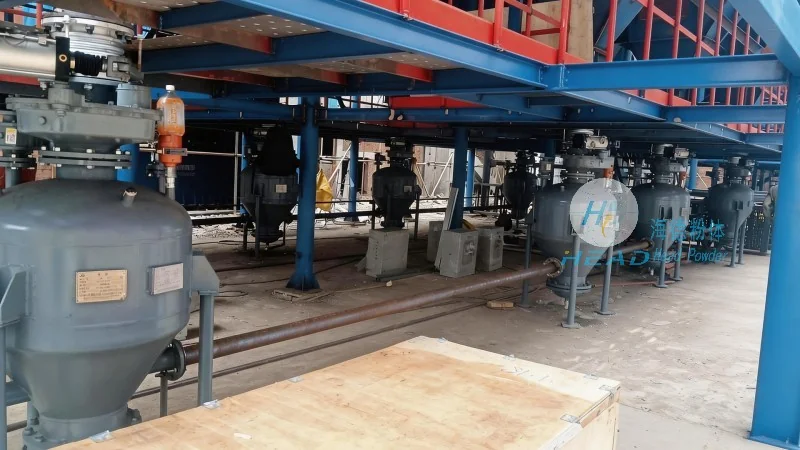
1. Screw Conveyors for Glutinous Rice Flour
Screw conveyors, also known as auger conveyors, are a common choice for transporting glutinous rice flour due to their ability to handle dry, free-flowing powders. These systems consist of a rotating screw inside a cylindrical tube, which moves the material forward through the conveyor. For glutinous rice flour, which can be prone to caking or sticking, manufacturers like HeadPowder often use stainless steel or food-grade materials for the screw and housing to prevent contamination and ensure durability. The design of the screw pitch and flight angle is critical; a properly engineered screw can maintain the flow of the flour without causing excessive pressure or blockages. This method is particularly suitable for vertical or inclined conveying, allowing for space-saving installations in production facilities.
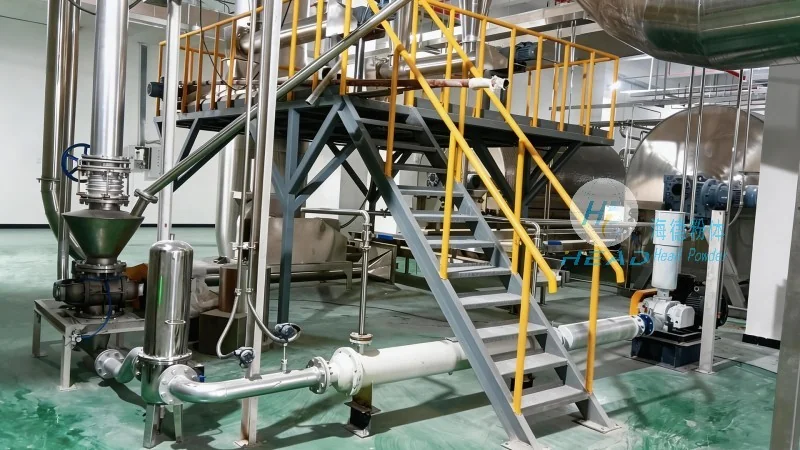
2. Pneumatic Conveying Systems
Pneumatic conveying, or air-based transport, offers a flexible solution for moving glutinous rice flour, especially in applications requiring long-distance or complex routing. This method uses compressed air to transport the powder through a pipeline system. There are two main types: dilute-phase and dense-phase conveying. Dilute-phase systems use low air-to-material ratios, making them ideal for short to medium distances and moderate flow rates. Dense-phase systems, on the other hand, use higher air-to-material ratios, which are better suited for longer distances and more precise control over the material flow. For glutinous rice flour, which is light and can be easily suspended by air, dilute-phase systems are often preferred. However, to prevent dust accumulation and maintain air quality, manufacturers like HeadPowder incorporate filtration and cyclone separation systems into their pneumatic conveying setups. This ensures that the flour remains clean and free from contaminants during transport.
3. Belt Conveyors
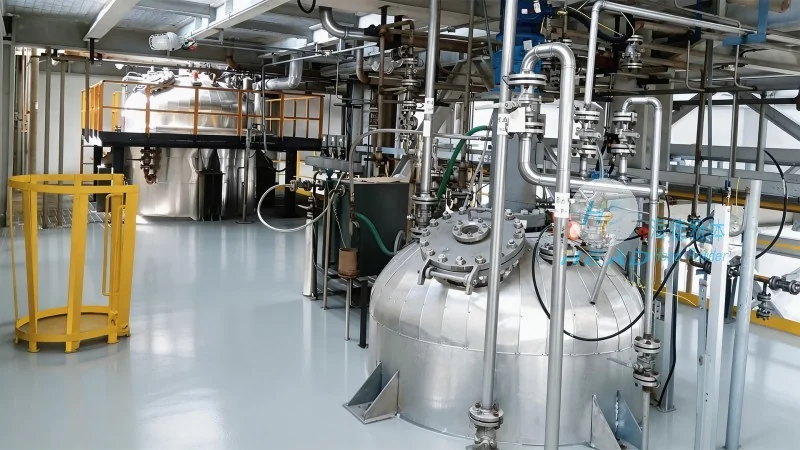
Belt conveyors are another effective method for conveying glutinous rice flour, particularly in scenarios where bulk handling and continuous operation are required. These systems consist of a continuous belt that moves over rollers or pulleys, transporting the flour from one point to another. For glutinous rice flour, which can be abrasive or sticky, the belt material is typically made of food-grade rubber or silicone, with a smooth surface to prevent material buildup. The speed and inclination of the belt can be adjusted to control the flow rate and prevent spillage or clogging. Belt conveyors are often used in combination with other equipment, such as hoppers and feeders, to create a seamless material handling process. This method is especially useful in large-scale production lines where high throughput is necessary.
4. Bucket Elevators
Bucket elevators are vertical conveying systems designed to lift and transport glutinous rice flour from lower to higher levels. These systems use a series of buckets attached to a chain or belt, which moves up and down inside a vertical housing. The buckets scoop up the flour at the bottom and release it at the top, allowing for efficient vertical transport. For glutinous rice flour, which is fine and can be prone to dusting, the bucket elevator is equipped with a sealing mechanism to prevent material loss and maintain air quality. The speed of the buckets and the spacing between them are carefully designed to ensure that the flour is conveyed without excessive vibration or spillage. Bucket elevators are a space-efficient solution for vertical conveying, making them ideal for facilities with limited horizontal space.
5. Vibrating Conveyors
Vibrating conveyors use mechanical vibration to move glutinous rice flour along a trough. The conveyor consists of a trough that is vibrated at a specific frequency and amplitude, causing the material to move forward. This method is particularly effective for handling sticky or cohesive materials like glutinous rice flour, as the vibration helps to break up clumps and maintain a consistent flow. The design of the trough and the vibration characteristics are critical; a properly tuned vibrating conveyor can ensure smooth transport without causing excessive wear or damage to the material. Vibrating conveyors are often used in applications where gentle handling is required, such as in food processing where the flour needs to be transported without breaking down its structure or affecting its quality.
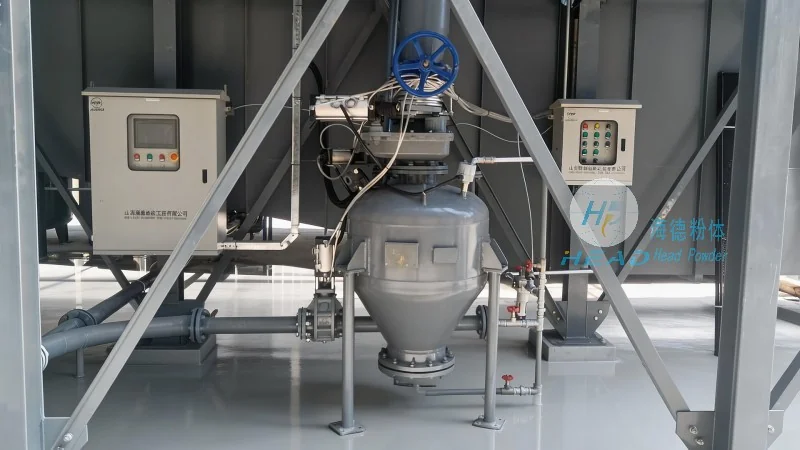
About Shandong HeadPowder Engineering Co., Ltd.
Shandong HeadPowder Engineering Co., Ltd., operating under the brand name HeadPowder, specializes in the design, manufacturing, and installation of advanced material handling systems for various industries, including food processing. With a focus on quality and innovation, HeadPowder provides customized conveying solutions tailored to the specific needs of their clients. The company is headquartered in Shandong, China, and serves a global market with its reliable and efficient equipment. By leveraging years of experience in the industry, HeadPowder ensures that their conveying systems meet the highest standards of performance, safety, and hygiene, making them an ideal choice for manufacturers handling glutinous rice flour and other fine powders.

 Shandong Headpowder Engineering Co., Ltd.
 156-6277-7102(Quản lý Trương)
  0531-83386006
  Thành phố Tế Nam, Tỉnh Sơn Đông, Trung Quốc
Điện thoại
WeChatTư vấn
Lên đầu