Với hơn 10 năm kinh nghiệm về vận chuyển khí nén, Headpowder Sơn Đông cung cấp hệ thống, thiết bị và quạt gió toàn chuỗi, đảm nhận các dự án kỹ thuật bột trọn gói trên toàn quốc.
Graphene, a two-dimensional material with exceptional mechanical, electrical, and thermal properties, is widely used in various industries. Efficient and reliable transport of graphene is crucial for its industrial application. Among the various conveying methods, pneumatic conveying stands out as a prominent and effective approach for handling graphene materials. This article provides an overview of common graphene transport methods, with a focus on the advantages and applications of pneumatic conveying.
Introduction to Graphene Conveying
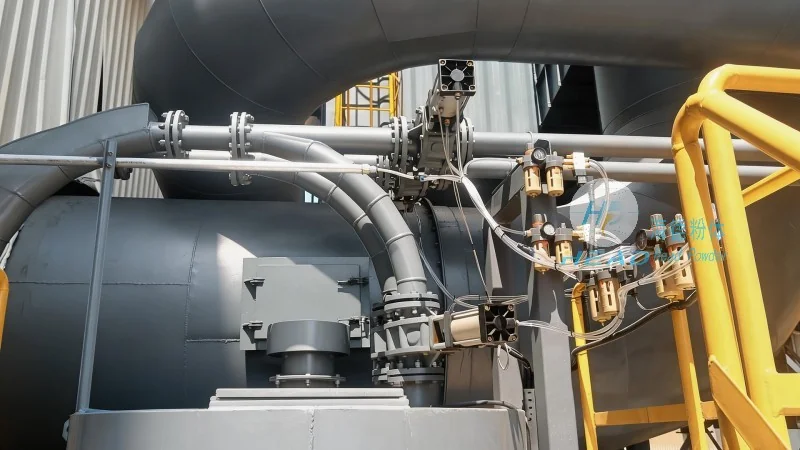
Graphene, a single layer of carbon atoms arranged in a hexagonal lattice, is known for its high strength, excellent conductivity, and unique surface properties. However, due to its ultra-thin and lightweight nature, traditional bulk material handling methods may not be suitable for graphene. Therefore, specialized conveying techniques are required to ensure safe and efficient transport. The primary goal of graphene conveying is to move graphene powders or flakes from one location to another without causing damage or degradation of the material.
Common Graphene Transport Methods
Several methods are employed for the transport of graphene, each with its own advantages and limitations. The most common methods include mechanical conveying, pneumatic conveying, and vacuum conveying. Mechanical conveying, such as screw conveyors or belt conveyors, is widely used for bulk materials but may not be ideal for delicate graphene due to the risk of mechanical stress and particle agglomeration. Vacuum conveying, while effective for fine powders, may not handle the high volume or large flakes of graphene efficiently. Pneumatic conveying, on the other hand, offers a flexible and efficient solution for graphene transport.
Pneumatic Conveying of Graphene: Principles and Advantages
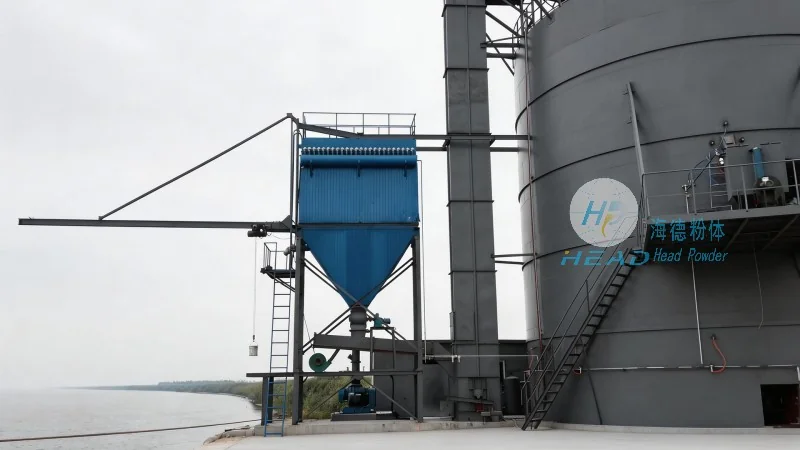
Pneumatic conveying uses compressed air or gas to transport solid particles through a pipeline. The process involves creating a pressure differential between the inlet and outlet of the conveying system, which propels the material forward. For graphene, pneumatic conveying is particularly advantageous due to its ability to handle fine powders and large flakes without causing damage. The key advantages of pneumatic conveying for graphene include:
Non-contact transport, minimizing mechanical stress and particle degradation.
High conveying capacity and flexibility, allowing for long-distance transport and complex system layouts.
Ability to handle a wide range of particle sizes and shapes, including ultra-fine graphene powders and larger flakes.
Reduced risk of contamination and cross-contamination compared to mechanical systems.
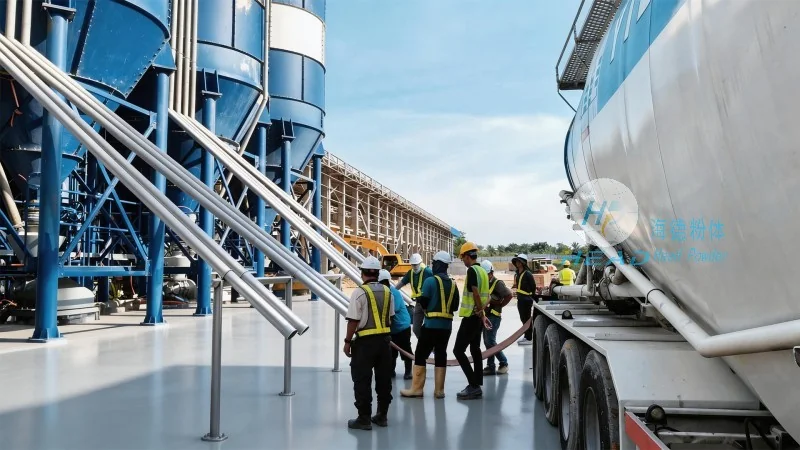
Components of a Graphene Pneumatic Conveying System
A typical graphene pneumatic conveying system consists of several key components. These include a material feeder, a conveying line, a separator, and a collection hopper. The material feeder is responsible for introducing the graphene into the system, ensuring a consistent flow rate. The conveying line, often made of stainless steel or other corrosion-resistant materials, transports the material through the system. The separator, such as a cyclone or bag filter, separates the conveyed material from the air stream, allowing for efficient collection. The collection hopper stores the transported graphene, ready for further processing or use.
Applications of Graphene Pneumatic Conveying
Graphene pneumatic conveying is widely used in various industrial applications. In the electronics industry, graphene is used as a conductive additive in coatings and composites. The pneumatic conveying system ensures that the graphene is delivered to the production line in a consistent and controlled manner. In the energy sector, graphene is used in battery electrodes and supercapacitors. The efficient transport of graphene via pneumatic conveying is critical for the mass production of these energy storage devices. Additionally, in the aerospace and automotive industries, graphene is used to enhance the mechanical properties of materials. The pneumatic conveying system enables the precise delivery of graphene to manufacturing processes, ensuring optimal performance.
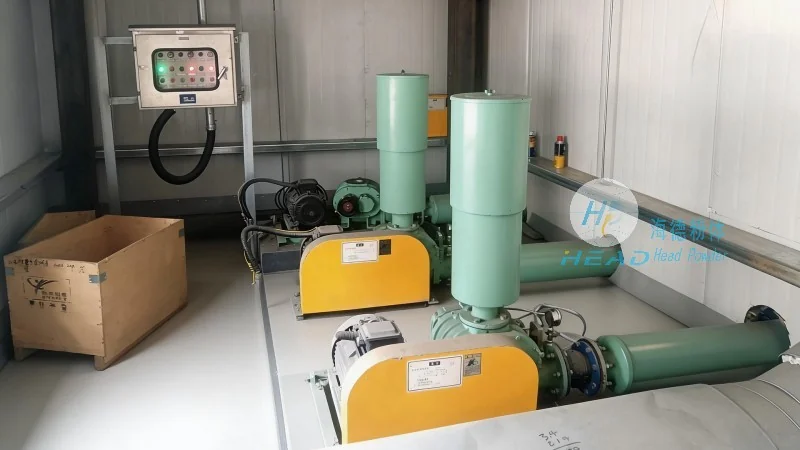
Case Study: HeadPowder's Graphene Pneumatic Conveying Solutions
Shandong HeadPowder Engineering Co., Ltd., a leading provider of material handling solutions, specializes in designing and manufacturing advanced graphene pneumatic conveying systems. With years of experience in the industry, HeadPowder has developed customized solutions tailored to the specific needs of its clients. The company's systems are designed to handle various types of graphene, including high-purity powders and large flakes, ensuring minimal loss and maximum efficiency. HeadPowder's expertise in material handling and pneumatic technology has enabled the company to deliver reliable and cost-effective conveying solutions for a wide range of applications.
Conclusion
In conclusion, pneumatic conveying is a highly effective method for the transport of graphene. Its non-contact nature, high capacity, and flexibility make it an ideal choice for industrial applications. Companies like Shandong HeadPowder Engineering Co., Ltd. play a crucial role in providing advanced graphene conveying solutions, ensuring the efficient and safe handling of this valuable material. As the demand for graphene continues to grow, the importance of reliable transport methods will only increase, making pneumatic conveying an essential component of graphene-based industrial processes.

 Shandong Headpowder Engineering Co., Ltd.
 156-6277-7102(Quản lý Trương)
  0531-83386006
  Thành phố Tế Nam, Tỉnh Sơn Đông, Trung Quốc
Điện thoại
WeChatTư vấn
Lên đầu