Với hơn 10 năm kinh nghiệm về vận chuyển khí nén, Headpowder Sơn Đông cung cấp hệ thống, thiết bị và quạt gió toàn chuỗi, đảm nhận các dự án kỹ thuật bột trọn gói trên toàn quốc.
When it comes to the efficient and reliable transportation of coal and sand materials, the design of a pneumatic conveying system is a critical factor that can significantly impact operational efficiency, safety, and overall project success. A well-designed system not only ensures smooth material flow but also minimizes downtime, reduces maintenance costs, and enhances the longevity of the equipment. This article provides a comprehensive guide on how to design a reasonable coal and sand pneumatic conveying system, with a focus on key considerations, equipment selection, and system optimization.
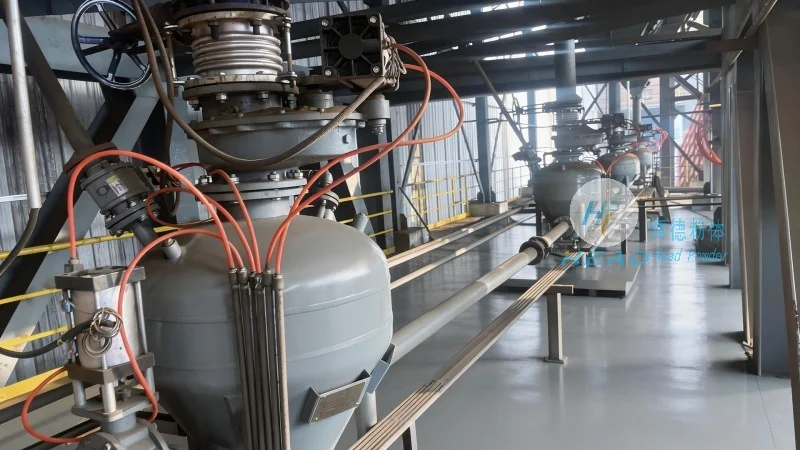
Understanding the Core Principles of Coal and Sand Pneumatic Conveying
Before diving into the design specifics, it's essential to grasp the fundamental principles that govern pneumatic conveying systems. These systems rely on the movement of material particles through a pipeline using air or other gases as the conveying medium. The primary goal is to achieve a stable, continuous flow of the material from the source to the destination, while maintaining the integrity of the particles and minimizing degradation. For coal and sand, which are typically abrasive and can vary in size and density, the design must account for these characteristics to prevent system blockages, wear, and inefficiencies.
Key Design Factors to Consider
Several critical factors must be evaluated during the design phase to ensure the system meets the operational requirements. First, the material properties of coal and sand, such as particle size distribution, density, moisture content, and abrasiveness, play a pivotal role. These properties influence the selection of the conveying method (e.g., dilute-phase or dense-phase), the required air velocity, and the pressure levels. For example, fine coal particles may require higher air velocities to prevent settling, while larger sand particles might need a denser phase to maintain flow stability.
Second, the system's layout and the distance between the source and destination are crucial. The length and elevation changes of the pipeline affect the required pressure and power consumption. A thorough site survey is necessary to identify any obstacles, such as existing structures or terrain features, that could impact the pipeline route and material handling points. Additionally, the number of material loading and unloading points, as well as the desired flow rate, must be considered to determine the appropriate system capacity.
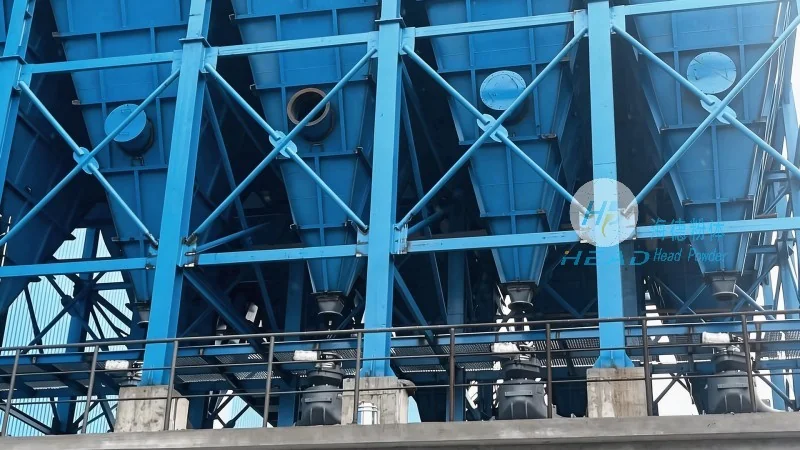
Equipment Selection for Coal and Sand Conveying
Choosing the right equipment is paramount to the success of a coal and sand pneumatic conveying system. The primary components include the material feeders, air movers (blowers or fans), conveying pipelines, and control systems. For coal and sand, which are abrasive, the feeders and pipelines must be constructed from materials resistant to wear and corrosion, such as stainless steel or high-grade alloys. The air mover must provide sufficient pressure and airflow to handle the material's characteristics. For example, a positive displacement blower may be more suitable for dense-phase conveying of coarse sand, while a centrifugal fan could be used for dilute-phase conveying of fine coal.
Material feeders, such as rotary valves or screw feeders, are used to introduce the material into the pipeline at a controlled rate. These feeders must be designed to prevent material buildup and ensure a consistent flow. The conveying pipelines should be sized appropriately to maintain the required air velocity while minimizing pressure drop. Proper pipeline layout, including bends and elbows, is essential to avoid turbulence and reduce wear on the system components.
System Layout and Installation Considerations
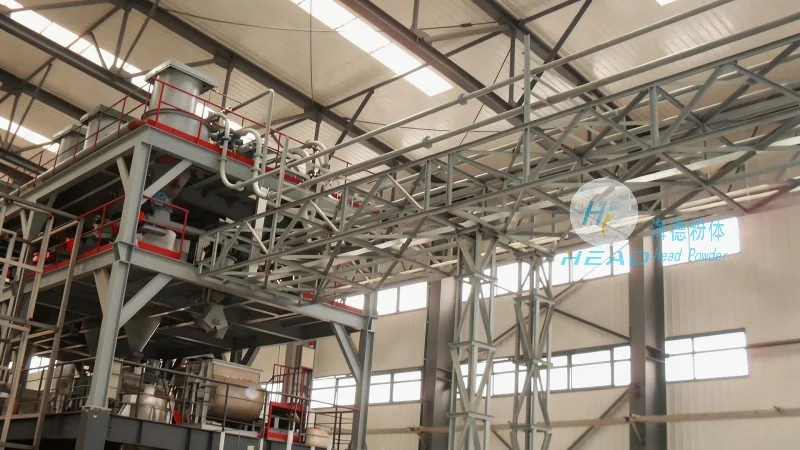
The layout of the pneumatic conveying system significantly impacts its performance and maintenance requirements. A well-planned layout minimizes the number of bends and changes in elevation, which helps maintain consistent air velocity and reduces energy consumption. The system should be designed with easy access to key components for maintenance and inspection. For instance, the air mover and feeders should be positioned for convenient service, and the pipelines should be supported to prevent sagging, which could lead to blockages or increased wear.
Additionally, the system must comply with safety regulations and standards. This includes proper ventilation to remove dust and fumes, and the installation of safety devices such as pressure relief valves and emergency shut-off valves. The design should also consider the environmental impact, such as dust control measures to prevent air pollution and protect the surrounding environment.
Maintenance and Optimization Strategies
Even with a well-designed system, regular maintenance is essential to ensure long-term performance and reliability. Routine checks of the air mover, feeders, and pipelines for wear and damage are necessary. The system should be equipped with monitoring devices to track pressure, flow rate, and temperature, allowing for early detection of issues. Regular cleaning of the pipelines and components is also important to prevent material buildup and maintain efficient operation.
Optimization of the system can also improve performance over time. This may involve adjusting the air velocity or pressure based on changes in material properties or flow rates. Using advanced control systems can help automate the operation and ensure consistent performance. Additionally, regular performance testing can help identify areas for improvement and ensure the system continues to meet the operational requirements.
Conclusion
Designing a reasonable coal and sand pneumatic conveying system requires a comprehensive approach that considers material properties, system layout, equipment selection, and maintenance strategies. By carefully evaluating these factors and adhering to best practices, companies can achieve efficient, reliable, and cost-effective material transportation. The expertise of engineering firms, such as Shandong HeadPowder Engineering Co., Ltd., can be invaluable in this process, providing tailored solutions that meet the specific needs of each project.

 Shandong Headpowder Engineering Co., Ltd.
 156-6277-7102(Quản lý Trương)
  0531-83386006
  Thành phố Tế Nam, Tỉnh Sơn Đông, Trung Quốc
Điện thoại
WeChatTư vấn
Lên đầu