Với hơn 10 năm kinh nghiệm về vận chuyển khí nén, Headpowder Sơn Đông cung cấp hệ thống, thiết bị và quạt gió toàn chuỗi, đảm nhận các dự án kỹ thuật bột trọn gói trên toàn quốc.
When it comes to handling stone powder in industrial applications, selecting the right conveying method is crucial for efficiency, cost-effectiveness, and operational safety. Various technologies are available, each with distinct advantages and limitations. This article provides a detailed comparison of common stone powder conveying methods, helping you make an informed decision for your specific needs.
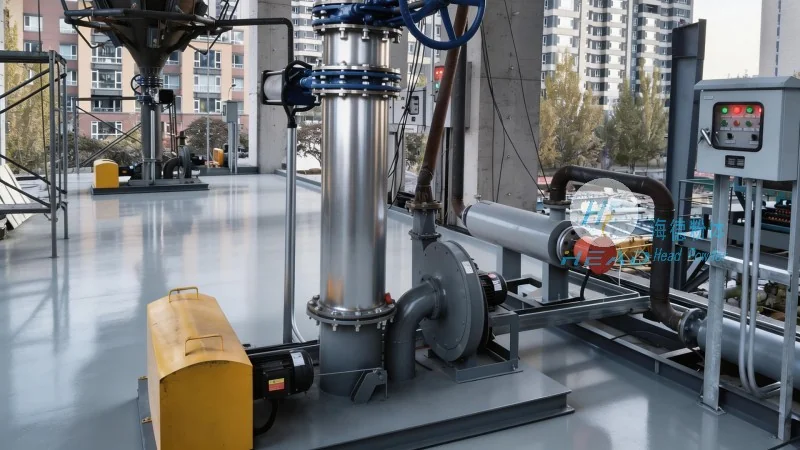
About HeadPowder: Your Trusted Stone Powder Conveying Solutions Provider
HeadPowder, or Shandong HeadPowder Engineering Co., Ltd., is a leading manufacturer based in Shandong, China. With years of experience in the field, we specialize in designing and supplying high-quality conveying systems tailored to the unique requirements of stone powder handling. Our expertise ensures that our clients receive reliable, efficient, and durable solutions that meet industry standards and enhance productivity.
Key Factors to Consider in Stone Powder Conveying
Before diving into specific conveying methods, it's essential to understand the key factors that influence the choice of system. These include the material's properties (such as particle size, moisture content, and dustiness), the distance and elevation changes, the required flow rate, and the overall budget. By evaluating these factors, you can narrow down the options and select the most suitable method for your operation.
1. Air-Pneumatic Conveying: The Versatile Solution
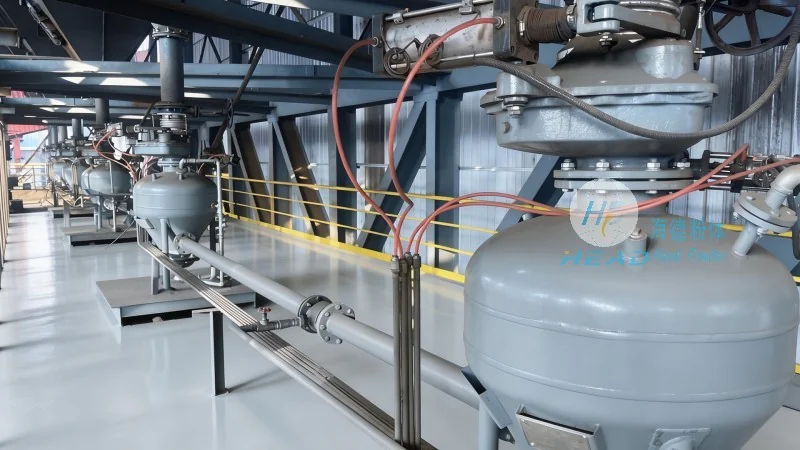
Air-pneumatic conveying, also known as pneumatic conveying, is a widely used method for transporting dry powders like stone powder. This system uses compressed air to move material through a pipeline. There are two main types: pressure and vacuum systems. Pressure systems are ideal for short distances and high flow rates, while vacuum systems are better for longer distances or when the material needs to be collected from multiple points. The primary advantages of pneumatic conveying include its ability to handle fine powders without clogging, low maintenance requirements, and the option to integrate with dust collection systems. However, it may not be suitable for very large particles or high moisture content materials, as this can lead to blockages or reduced efficiency.
2. Screw Conveyors: The Traditional and Reliable Choice
Screw conveyors, or auger conveyors, are a classic method for transporting bulk materials, including stone powder. They consist of a rotating screw (auger) inside a tube or trough, which moves material forward through rotation. Screw conveyors are known for their simplicity, low cost, and ability to handle a wide range of particle sizes. They are particularly effective for horizontal or slight incline applications and can be used in both dry and slightly moist conditions. The main benefits include minimal space requirements, easy installation, and the ability to operate in a closed system to prevent dust emissions. However, they may experience wear and tear on the screw and housing over time, especially with abrasive materials like stone powder, and are not suitable for very fine powders that can cause excessive friction.
3. Belt Conveyors: High-Capacity and Long-Distance Transport
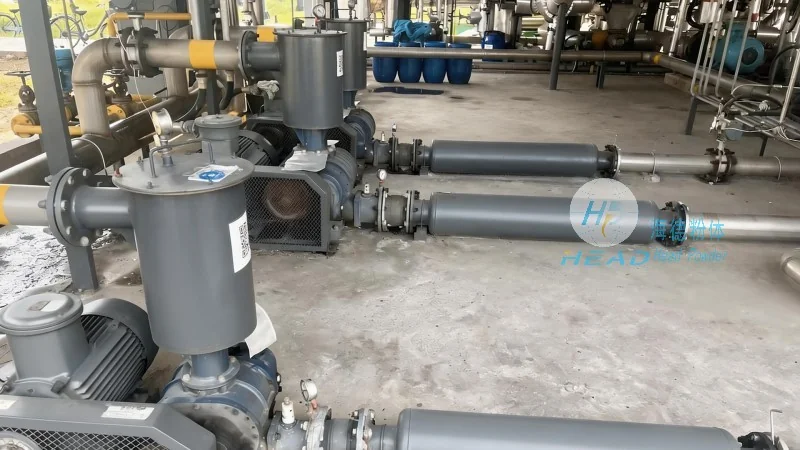
Belt conveyors are a popular choice for transporting stone powder over long distances or in high-volume applications. These systems use a continuous belt that moves material from one point to another, often with multiple idlers and pulleys to support the belt and maintain tension. Belt conveyors are capable of handling large quantities of material and can be adapted for both horizontal and inclined transport. They are particularly effective in open-pit mining or bulk material handling facilities where high throughput is required. The advantages include high efficiency, low maintenance (compared to other systems), and the ability to transport materials over long distances without significant loss of material. However, they require more space and initial investment, and the belt may need to be replaced periodically due to wear from abrasive materials. Additionally, they are less suitable for fine powders that can cause dust buildup on the belt.
4. Hydraulic Conveying: For High-Pressure and Special Applications
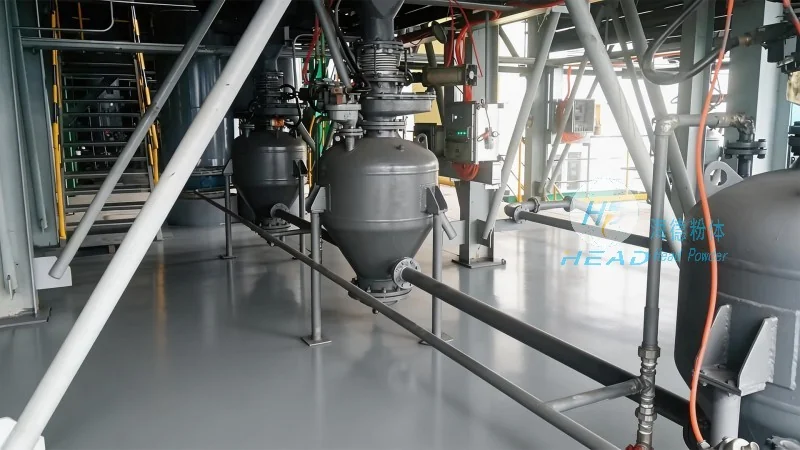
Hydraulic conveying uses water or a slurry to transport stone powder, making it suitable for applications where the material is highly abrasive or has high moisture content. The system involves pumping a slurry of stone powder and water through a pipeline, with the water providing the necessary pressure to move the material. This method is commonly used in mining operations for transporting ore or tailings. The primary benefits include the ability to handle very fine or abrasive materials, the prevention of dust emissions, and the potential for reusing water in closed-loop systems. However, hydraulic conveying requires more complex equipment and higher energy consumption compared to other methods, and the system needs regular maintenance to prevent clogging and corrosion.
Choosing the Right Conveying Method for Your Needs
When selecting a stone powder conveying method, it's important to consider the specific characteristics of your material and the operational requirements of your facility. For example, if you need to transport fine stone powder over short distances with minimal dust, pneumatic conveying might be the best choice. If you have a horizontal application with moderate flow rates and limited space, a screw conveyor could be more suitable. For high-volume, long-distance transport in open environments, a belt conveyor is likely the most efficient option. By carefully evaluating the pros and cons of each method and consulting with experts like HeadPowder, you can ensure that your conveying system is optimized for performance, reliability, and cost-effectiveness.
Conclusion: Partner with HeadPowder for Expert Stone Powder Conveying Solutions
Choosing the right stone powder conveying method is a critical decision that impacts the efficiency and safety of your industrial operations. With a deep understanding of material handling technologies and years of experience, Shandong HeadPowder Engineering Co., Ltd. offers tailored solutions that address your specific needs. Whether you opt for pneumatic, screw, belt, or hydraulic conveying, our team will work with you to design and implement a system that maximizes productivity while minimizing operational costs. Contact us today to learn more about how our conveying solutions can enhance your stone powder handling processes.

 Shandong Headpowder Engineering Co., Ltd.
 156-6277-7102(Quản lý Trương)
  0531-83386006
  Thành phố Tế Nam, Tỉnh Sơn Đông, Trung Quốc
Điện thoại
WeChatTư vấn
Lên đầu