Với hơn 10 năm kinh nghiệm về vận chuyển khí nén, Headpowder Sơn Đông cung cấp hệ thống, thiết bị và quạt gió toàn chuỗi, đảm nhận các dự án kỹ thuật bột trọn gói trên toàn quốc.
When it comes to transporting glass fiber powder, selecting the right conveying method is crucial for ensuring efficiency, safety, and material integrity. Glass fiber powder, with its fine particles and potential for static charge, requires specialized equipment and techniques to handle effectively. This article explores the primary methods used for glass fiber powder conveyance, focusing on the technologies and considerations that make them suitable for industrial applications.
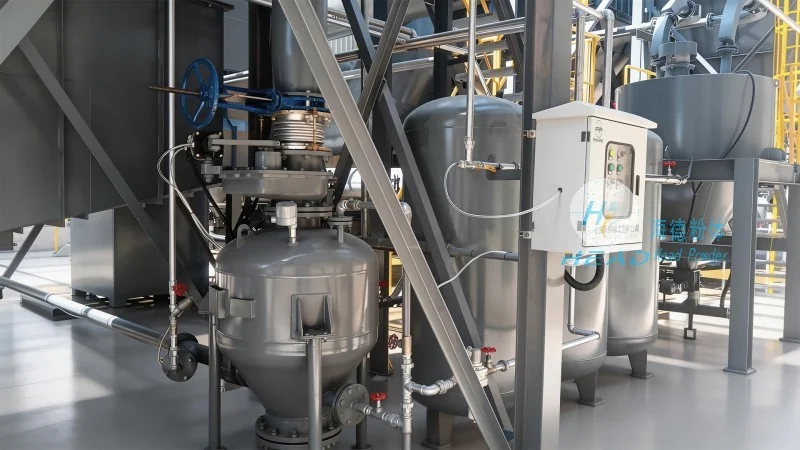
Key Considerations Before Choosing a Conveying Method
Before delving into specific conveying methods, it's essential to understand the key factors that influence the choice of system. These include the particle size and density of the glass fiber powder, the required conveying distance, the desired flow rate, and the need to control dust and static electricity. Additionally, the material's potential for caking or agglomeration, as well as the environmental and safety regulations in the operating environment, play significant roles in determining the most appropriate conveying solution. For companies dealing with glass fiber powder, such as Shandong HeadPowder Engineering Co., Ltd., based in China, these considerations are critical to optimizing production processes and maintaining compliance with industry standards.
Positive Displacement Pumps for Glass Fiber Powder
One of the most reliable methods for conveying glass fiber powder is through positive displacement pumps. These pumps, which include rotary lobe, screw, and diaphragm types, work by trapping a fixed volume of material and forcing it through the system. Positive displacement pumps are particularly effective for handling fine, abrasive powders like glass fiber because they maintain a consistent flow rate regardless of pressure changes. This makes them ideal for applications where precise control over the material's movement is required. The pumps are often equipped with special materials of construction, such as stainless steel or PTFE-lined components, to resist corrosion and wear from the abrasive particles. For instance, Shandong HeadPowder Engineering Co., Ltd. may utilize these pumps in their production lines to ensure smooth and continuous transport of glass fiber powder from storage silos to processing equipment.
Air-Driven Conveying Systems
Another common method for glass fiber powder conveyance is air-driven systems, which use compressed air to move the material through a pipeline. These systems typically operate on the principle of pneumatic conveying, where the powder is suspended in a stream of air and transported through the system. There are two main types of pneumatic conveying: pressure and vacuum. Pressure systems use compressed air to push the material forward, while vacuum systems use a vacuum to draw the material into the pipeline. Air-driven systems are advantageous for conveying glass fiber powder over moderate distances and can handle relatively large volumes of material. However, they require careful control of air pressure and flow rates to prevent material degradation or blockages. The choice between pressure and vacuum systems often depends on the specific application and the layout of the conveying system. For example, in the operations of Shandong HeadPowder Engineering Co., Ltd., air-driven systems might be used to transport glass fiber powder from a storage hopper to a mixing or blending unit, ensuring efficient material handling without the need for mechanical components that could cause wear or contamination.
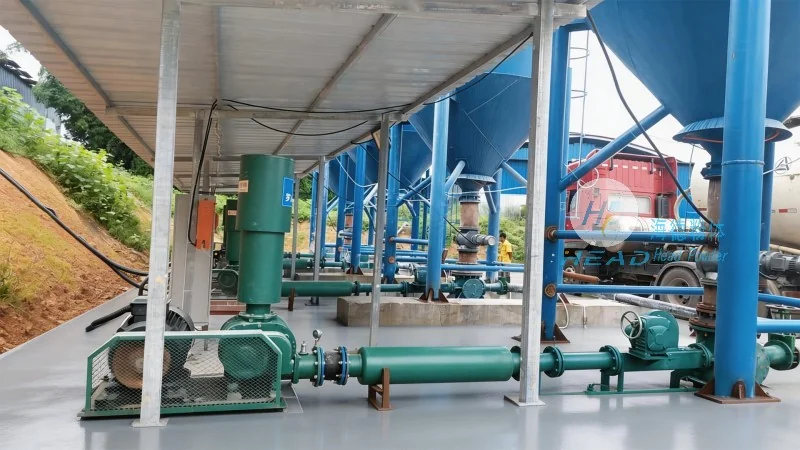
Gravity Conveying and Chute Systems
For short-distance conveying of glass fiber powder, gravity systems and chute arrangements can be highly effective. These systems rely on the natural force of gravity to move the material from a higher to a lower elevation. The powder is typically fed into a sloped chute or pipe, and the gravitational pull causes it to flow downward. Gravity conveying is simple, low-cost, and requires minimal maintenance, making it suitable for applications where the conveying distance is short and the material is free-flowing. However, it is limited by the need for a sufficient vertical drop and may not be suitable for long distances or when the material has a high angle of repose. Shandong HeadPowder Engineering Co., Ltd. might employ gravity systems in their facility to transport glass fiber powder from a top-level storage bin to a lower-level processing area, reducing the need for additional mechanical equipment and energy consumption.
Electrostatic Conveying and Anti-Static Measures
Given the static charge properties of glass fiber powder, special measures are often necessary to prevent material buildup and ensure smooth conveying. Electrostatic conveying systems use electric fields to charge the powder particles and facilitate their movement through the system. These systems are particularly useful for fine powders that are prone to sticking to surfaces or forming static charges. Anti-static measures, such as grounding equipment, adding anti-static additives, or using conductive materials in the conveying components, are also critical to maintaining the efficiency of the system. For companies like Shandong HeadPowder Engineering Co., Ltd., which handle glass fiber powder, implementing these measures is essential to prevent dust explosions, material blockages, and equipment damage. Proper grounding and regular maintenance of anti-static components are key to ensuring the longevity and safety of the conveying system.
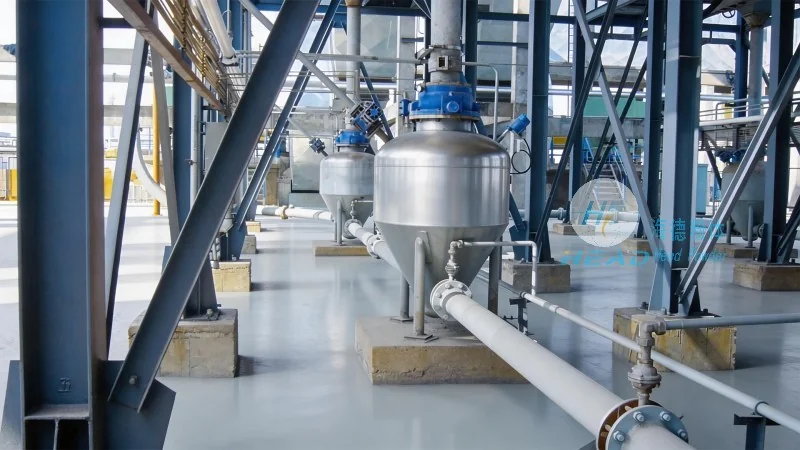
Integration of Conveying Systems with Processing Equipment
Effective glass fiber powder conveying is not just about moving the material from one point to another; it's also about integrating the conveying system with the processing equipment. This integration ensures that the material is delivered to the processing unit at the correct flow rate and in the right condition. For example, when using positive displacement pumps, the pump's output can be synchronized with the processing equipment's requirements to maintain a consistent feed rate. Similarly, air-driven systems can be controlled to match the demand of the processing unit, preventing overfeeding or underfeeding. The integration also involves proper material handling at the receiving end, such as using hoppers or feeders that can handle the incoming powder without causing clogging or spillage. Shandong HeadPowder Engineering Co., Ltd. likely employs sophisticated integration strategies to ensure that their glass fiber powder conveying systems work seamlessly with their production lines, optimizing overall operational efficiency and reducing downtime.
Maintenance and Troubleshooting for Glass Fiber Powder Conveying Systems
Regular maintenance is essential to keep glass fiber powder conveying systems operating at peak efficiency. This includes inspecting and cleaning components that come into contact with the powder, such as pumps, pipes, and chutes. The abrasive nature of glass fiber powder can cause wear on these components, so regular replacement of worn parts is necessary. Additionally, monitoring the system's performance, such as flow rates and pressure, helps identify potential issues before they become major problems. Troubleshooting common issues, such as blockages or reduced flow, often involves checking for material buildup, ensuring proper air pressure or pump speed, and verifying that anti-static measures are functioning correctly. For a company like Shandong HeadPowder Engineering Co., Ltd., maintaining a regular maintenance schedule is crucial to minimizing downtime and ensuring the consistent quality of their glass fiber powder products. Proper maintenance also helps extend the lifespan of the equipment and reduces the overall cost of operation.

 Shandong Headpowder Engineering Co., Ltd.
 156-6277-7102(Quản lý Trương)
  0531-83386006
  Thành phố Tế Nam, Tỉnh Sơn Đông, Trung Quốc
Điện thoại
WeChatTư vấn
Lên đầu