Với hơn 10 năm kinh nghiệm về vận chuyển khí nén, Headpowder Sơn Đông cung cấp hệ thống, thiết bị và quạt gió toàn chuỗi, đảm nhận các dự án kỹ thuật bột trọn gói trên toàn quốc.
When it comes to handling graphite materials efficiently and safely, a well-designed pneumatic conveying system is crucial. As a leading provider in the field, Shandong HeadPowder Engineering Co., Ltd., commonly known as HeadPowder, offers expert guidance and tailored solutions to ensure optimal performance and reliability. This article outlines key considerations and steps for designing a reasonable graphite pneumatic conveying system, emphasizing the importance of matching system design with material properties and operational requirements.
Understanding the Core Principles of Graphite Pneumatic Conveying
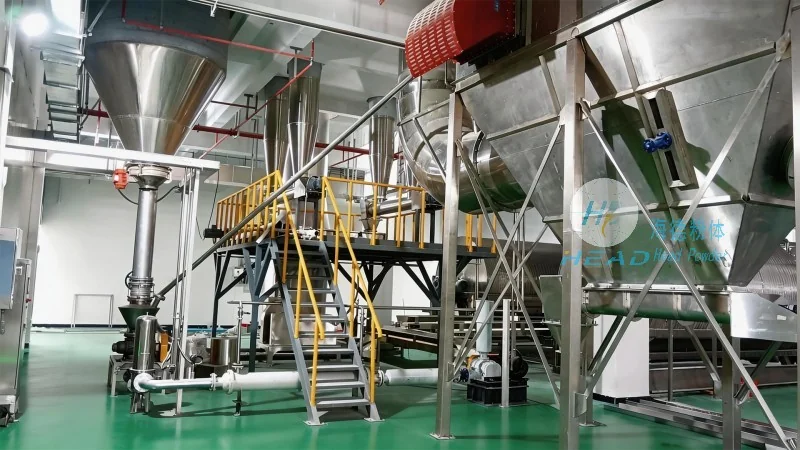
Graphite, with its unique physical and chemical characteristics, requires specialized handling to prevent degradation and ensure consistent flow. Pneumatic conveying systems use air or other gases to transport solid materials like graphite through a network of pipes. The choice between positive pressure, negative pressure, or a combination depends on factors such as material density, dust generation, and system layout. A thorough understanding of these principles is the foundation for a successful design.
Key Design Factors for Optimal Graphite Conveying
Several critical factors must be considered when designing a graphite pneumatic conveying system. First, the selection of the conveying method—whether it’s dilute phase, dense phase, or a hybrid—impacts system efficiency and material integrity. Dilute phase systems are suitable for low to medium particle sizes and high flow rates, while dense phase systems are preferred for delicate or abrasive materials, minimizing particle breakage. The system layout, including the number of transfer points, vertical and horizontal runs, and the overall pipe network, must be carefully planned to avoid pressure drops and ensure smooth material transport.
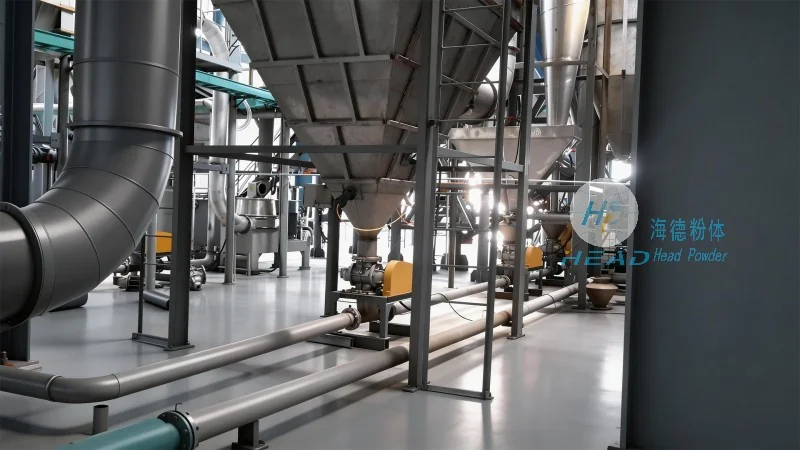
Second, the air source and pressure are vital components. High-pressure blowers or compressors generate the necessary airflow to move graphite particles. The pressure level is determined by the material’s density, particle size, and the system’s length. Proper sizing of the air compressor and associated components, such as filters and dryers, is essential to maintain system efficiency and prevent contamination. Additionally, the selection of pipe materials—such as stainless steel, aluminum, or plastic—depends on the graphite’s chemical compatibility and the operating environment. For instance, stainless steel is often preferred for its resistance to corrosion and wear.
Equipment Selection and Integration
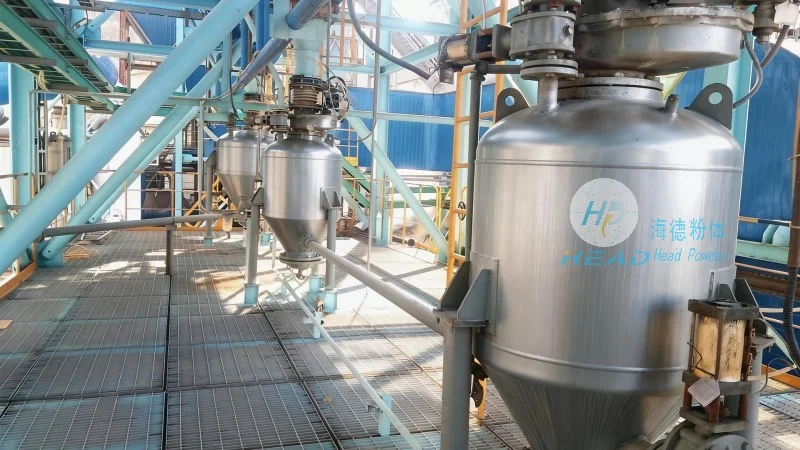
Choosing the right equipment is paramount to the success of a graphite pneumatic conveying system. The system typically includes a feeder, which controls the material flow rate, a conveying line with appropriate valves and bends, and a receiver for material collection. The feeder, such as a rotary valve or a screw feeder, must be capable of handling graphite without clogging or damaging the material. Valves and bends are designed to minimize pressure losses and maintain material flow consistency. The receiver, often equipped with a dust collection system, ensures safe and efficient material discharge.
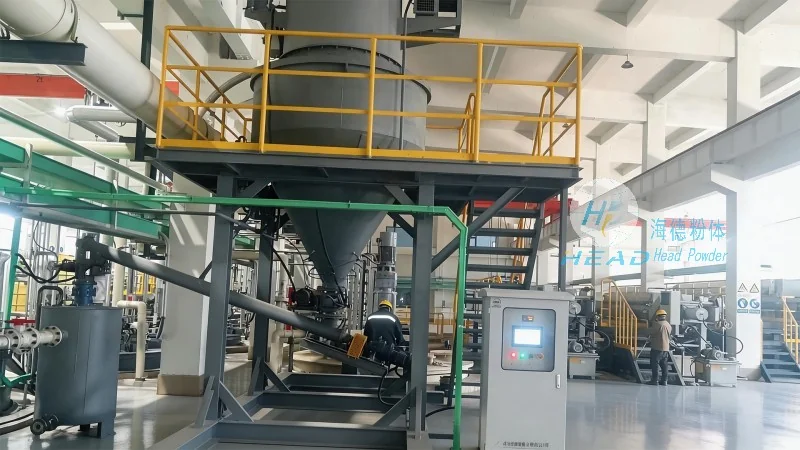
Integration with existing facilities is another critical aspect. The system must be compatible with the plant’s layout, power supply, and safety protocols. HeadPowder, with its expertise in engineering and installation, ensures that all components are seamlessly integrated, minimizing downtime and maximizing operational efficiency. The company’s team of engineers conducts thorough site assessments to tailor the system design to the specific needs of each client, ensuring compliance with industry standards and safety regulations.
System Performance and Maintenance Considerations
A well-designed graphite pneumatic conveying system not only ensures efficient material transport but also requires regular maintenance to sustain performance. Regular inspections of the air compressor, filters, and pipe network are essential to prevent issues such as clogging or pressure drops. The use of high-quality filters and lubricants for the compressor helps maintain optimal operation and extend equipment life. Additionally, monitoring system performance through pressure gauges and flow meters allows for early detection of potential problems, ensuring timely maintenance and reducing downtime.
HeadPowder provides comprehensive support, including maintenance services and spare parts availability, to ensure the long-term reliability of the system. The company’s commitment to quality and customer satisfaction is reflected in its approach to system design and after-sales support. By adhering to these principles, businesses can achieve efficient, safe, and cost-effective graphite handling with a reliable pneumatic conveying system.

 Shandong Headpowder Engineering Co., Ltd.
 156-6277-7102(Quản lý Trương)
  0531-83386006
  Thành phố Tế Nam, Tỉnh Sơn Đông, Trung Quốc
Điện thoại
WeChatTư vấn
Lên đầu