Với hơn 10 năm kinh nghiệm về vận chuyển khí nén, Headpowder Sơn Đông cung cấp hệ thống, thiết bị và quạt gió toàn chuỗi, đảm nhận các dự án kỹ thuật bột trọn gói trên toàn quốc.
Monosodium glutamate (MSG), a widely used flavor enhancer in the food industry, requires efficient and reliable conveying methods to ensure smooth production processes. The choice of conveying system is critical for maintaining product quality, reducing operational costs, and enhancing overall productivity in MSG handling facilities. This article provides an overview of common conveying methods used for MSG, with a focus on pneumatic conveying systems, which have become increasingly popular due to their advantages in handling fine powders like MSG.
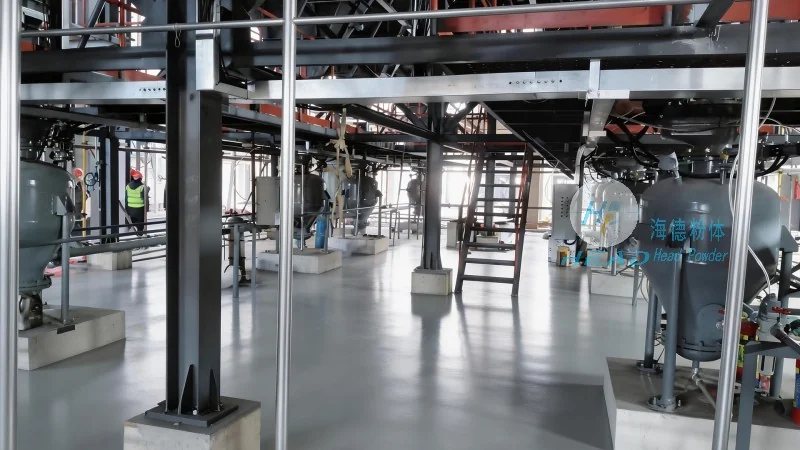
About HeadPowder: Your Trusted Partner in Powder Handling Solutions
HeadPowder, a leading provider of engineering solutions for the powder handling industry, specializes in designing and manufacturing advanced conveying systems tailored to the unique needs of food and chemical processing applications. With a strong presence in Shandong, China, HeadPowder combines years of industry experience with cutting-edge technology to deliver high-performance solutions that meet the stringent requirements of the MSG industry. The company’s commitment to quality, safety, and innovation has made it a trusted name among manufacturers seeking reliable and efficient conveying systems for their MSG operations.
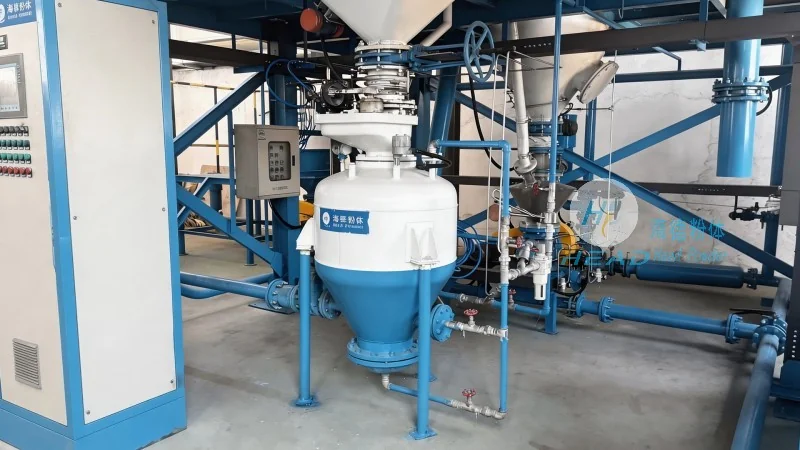
Overview of Common MSG Conveying Methods
MSG, being a fine powder, presents specific challenges during transportation due to its tendency to create dust, clog equipment, and require controlled handling to prevent degradation. Traditional conveying methods such as belt conveyors, screw conveyors, and bucket elevators have been used in the industry, but they often face limitations when dealing with fine powders like MSG. These methods may lead to product contamination, increased maintenance costs, and lower throughput efficiency. As a result, more sophisticated systems have emerged to address these challenges, with pneumatic conveying systems emerging as a preferred choice for many MSG manufacturers.
Pneumatic Conveying Systems for MSG: How They Work and Their Benefits
Pneumatic conveying systems utilize air or other gases to transport MSG particles through a pipeline network. These systems are categorized into two main types: pressure and vacuum systems. Pressure systems use compressed air to push the material forward, while vacuum systems use a vacuum to draw the material into the pipeline. For MSG, which is a hygroscopic and sensitive powder, pressure systems are often preferred as they offer better control over material flow and reduce the risk of product degradation. The core components of a pneumatic conveying system for MSG include a hopper, feeder, pipeline, and receiver. The hopper stores the MSG, the feeder controls the flow rate, the pipeline transports the material, and the receiver collects the conveyed product. This system ensures that MSG is handled gently, minimizing particle breakage and maintaining its quality throughout the conveying process.
One of the key advantages of pneumatic conveying systems for MSG is their ability to handle fine powders without the need for mechanical contact. Unlike screw or belt conveyors, which rely on physical contact to move material, pneumatic systems use air to transport particles, reducing the risk of product contamination and ensuring a clean conveying process. This is particularly important for MSG, which is often used in food applications where product purity is paramount. Additionally, pneumatic conveying systems offer high throughput rates, allowing manufacturers to process large volumes of MSG efficiently. They also provide flexibility in system design, enabling the integration of multiple conveying lines and the ability to transport MSG from various sources to different destinations within a facility.
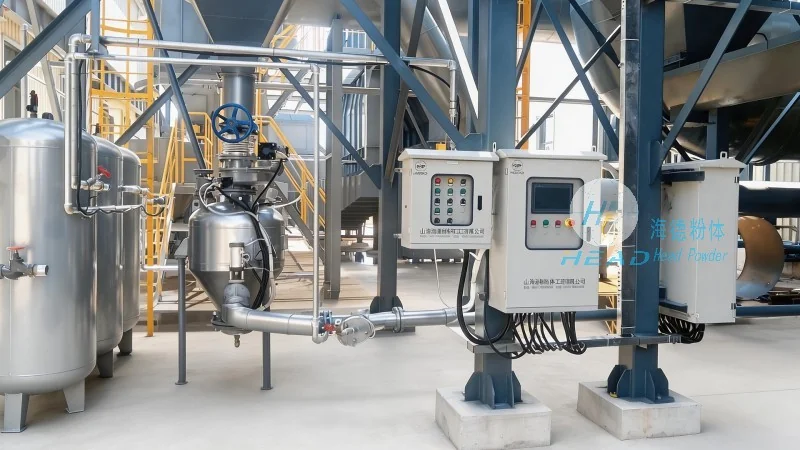
Key Features and Considerations for Pneumatic Conveying Systems in MSG Handling
When selecting a pneumatic conveying system for MSG, several factors must be considered to ensure optimal performance and reliability. First, the system must be designed to handle the specific properties of MSG, such as its particle size, moisture content, and flowability. The pipeline material and internal surfaces should be smooth and non-stick to prevent product buildup and clogging. For MSG, which is hygroscopic, the system should include features to control humidity and prevent moisture absorption, as excessive moisture can lead to product clumping and degradation. Additionally, the system should be equipped with proper filtration and dust collection to comply with environmental regulations and maintain a safe working environment. HeadPowder, with its expertise in powder handling, offers customized pneumatic conveying solutions that address these considerations, ensuring that the system is tailored to the specific needs of each MSG facility.

Applications and Real-World Examples of Pneumatic Conveying in MSG Production
Pneumatic conveying systems are widely used in various stages of MSG production, from raw material handling to finished product packaging. In raw material handling, the system can transport raw MSG from storage silos to processing equipment, ensuring a continuous and efficient supply of material. During the production process, pneumatic conveying is used to move MSG between different processing units, such as mixing, drying, and packaging. The system can also be used for packaging, where MSG is conveyed from storage to packaging machines for final product filling. Real-world examples of successful pneumatic conveying implementations in MSG facilities include increased production throughput, reduced downtime due to clogging, and improved product quality due to gentle handling. These benefits have made pneumatic conveying systems a standard choice for many MSG manufacturers looking to enhance their operational efficiency and product quality.
Conclusion: Choosing the Right Conveying System for Your MSG Operations
Efficient conveying of MSG is essential for maintaining the quality and productivity of MSG production facilities. While traditional methods have been used in the past, pneumatic conveying systems have proven to be the most effective solution for handling fine powders like MSG. With their ability to minimize product contamination, reduce maintenance costs, and enhance throughput, pneumatic conveying systems offer significant advantages over traditional methods. HeadPowder, as a leading provider of pneumatic conveying systems for MSG, offers customized solutions that meet the specific needs of each facility. By choosing a reliable pneumatic conveying system from HeadPowder, MSG manufacturers can ensure smooth operations, maintain product quality, and stay competitive in the market. Whether you are a new or existing MSG manufacturer, investing in a high-quality pneumatic conveying system is a smart decision that will pay off in the long run.

 Shandong Headpowder Engineering Co., Ltd.
 156-6277-7102(Quản lý Trương)
  0531-83386006
  Thành phố Tế Nam, Tỉnh Sơn Đông, Trung Quốc
Điện thoại
WeChatTư vấn
Lên đầu