Với hơn 10 năm kinh nghiệm về vận chuyển khí nén, Headpowder Sơn Đông cung cấp hệ thống, thiết bị và quạt gió toàn chuỗi, đảm nhận các dự án kỹ thuật bột trọn gói trên toàn quốc.
When it comes to handling and transporting rice grain, selecting the right conveying method is crucial for efficiency and product integrity. Various options are available, each with its own advantages and applications. This article explores common rice grain conveying methods, with a focus on the benefits and applications of pneumatic conveying systems.
Overview of Rice Grain Conveying Methods
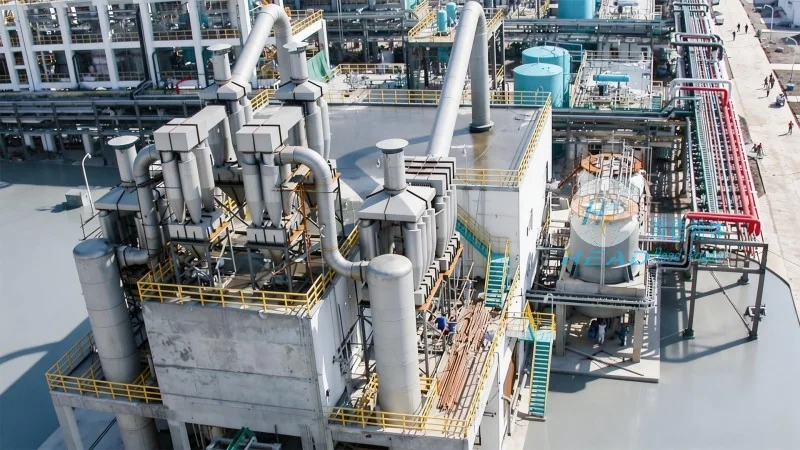
Rice grain, being a delicate agricultural product, requires careful handling to prevent damage and maintain quality. Conveying systems must be designed to minimize breakage, moisture content changes, and contamination. The primary methods used in the industry include gravity conveyors, mechanical conveyors, and pneumatic (air-assisted) conveyors. Each method has specific characteristics that make it suitable for different operational scenarios.
Gravity Conveying Systems
Gravity conveyors utilize the natural force of gravity to move rice grain from one elevation to another. These systems typically consist of sloped chutes or troughs that allow the grain to flow downward. While simple and low-cost, gravity conveyors are limited by the need for a suitable slope and are often used for short distances or when the grain is already at a higher elevation. They are effective for handling bulk quantities but lack the flexibility to move grain over longer horizontal distances or between multiple levels without additional equipment.
Mechanical Conveying Systems
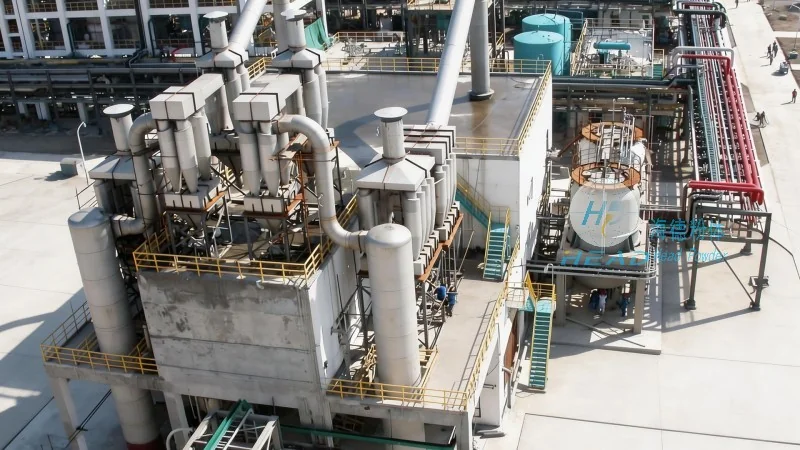
Mechanical conveyors employ mechanical components such as belts, screws, or buckets to transport rice grain. Belt conveyors, for example, use a continuous belt to move grain along a path, while screw conveyors use a rotating screw to push grain forward. These systems are widely used in rice processing facilities due to their reliability and ability to handle large volumes. However, mechanical conveyors can cause more grain breakage compared to pneumatic systems, as the grain is in direct contact with the conveyor components. They also require regular maintenance to ensure smooth operation and prevent wear and tear.
Pneumatic Conveying Systems: The Preferred Solution for Rice Grain Handling
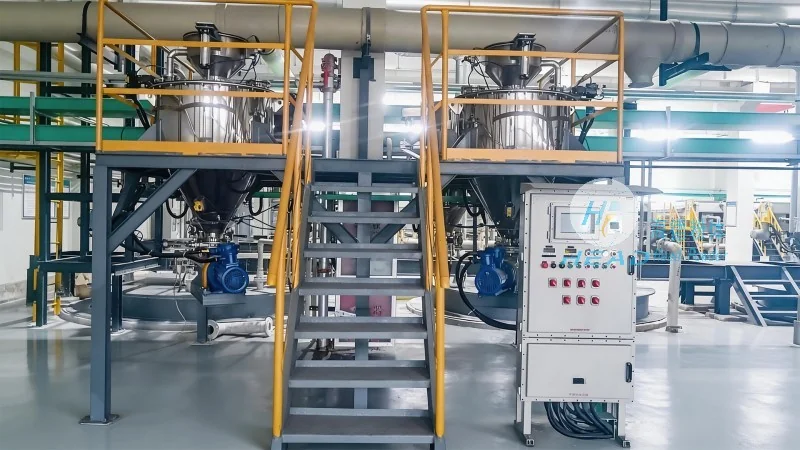
Pneumatic conveying, or air-assisted conveying, is a highly efficient method for transporting rice grain. This technology uses a combination of air pressure and a pipeline system to move grain through a closed loop. The system typically includes a hopper to store the grain, a blower to generate airflow, and a pipeline network that transports the grain to the destination. Pneumatic conveying offers several advantages over traditional methods, including high capacity, minimal product damage, and the ability to transport grain over long distances and vertical elevations.
One of the key benefits of pneumatic conveying is its ability to handle delicate products like rice grain without causing breakage. The grain is suspended in the air stream, reducing friction and impact during transport. This results in higher quality grain with fewer broken kernels, which is essential for maintaining market value. Additionally, pneumatic systems are more hygienic and easier to clean compared to mechanical conveyors, as they have fewer moving parts and no direct contact with the product.
Components of a Pneumatic Rice Grain Conveying System
A typical pneumatic conveying system for rice grain consists of several key components. The hopper serves as the storage and feeding unit, ensuring a consistent flow of grain into the system. The blower or compressor generates the necessary air pressure to move the grain through the pipeline. The pipeline network, often made of stainless steel or other corrosion-resistant materials, transports the grain from the source to the destination. Additional components may include filters to remove dust and debris, and cyclones or separators to separate the grain from the air stream at the end of the pipeline.
Applications and Benefits of Pneumatic Conveying
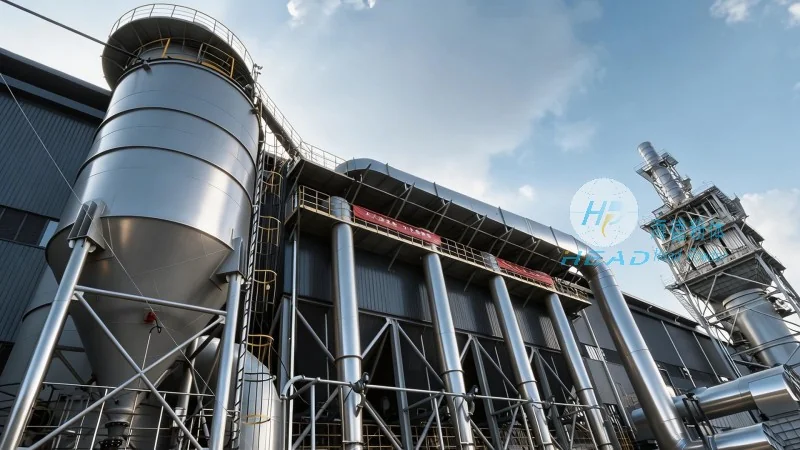
Pneumatic conveying is widely used in rice processing facilities for various applications, including moving grain from storage silos to processing equipment, transporting finished products to packaging lines, and handling byproducts such as bran or hulls. The system's flexibility allows it to be integrated into existing processing lines with minimal disruption. The benefits of using pneumatic conveying for rice grain include increased efficiency, reduced labor costs, and improved product quality. It also offers better control over the conveying process, allowing operators to adjust the flow rate and pressure as needed to optimize performance.
Conclusion
Choosing the right rice grain conveying method is critical for the success of any rice processing operation. While gravity and mechanical conveyors have their place, pneumatic conveying systems offer superior performance and efficiency, especially for handling delicate products like rice grain. The technology's ability to minimize product damage, maintain hygiene, and transport grain over long distances makes it the preferred choice for many industry professionals. As a leading provider of engineering solutions for the agricultural sector, Shandong HeadPowder Engineering Co., Ltd. specializes in designing and manufacturing high-quality pneumatic conveying systems tailored to the specific needs of rice processing facilities. With our expertise and commitment to quality, we help clients optimize their operations and improve overall productivity.

 Shandong Headpowder Engineering Co., Ltd.
 156-6277-7102(Quản lý Trương)
  0531-83386006
  Thành phố Tế Nam, Tỉnh Sơn Đông, Trung Quốc
Điện thoại
WeChatTư vấn
Lên đầu