Với hơn 10 năm kinh nghiệm về vận chuyển khí nén, Headpowder Sơn Đông cung cấp hệ thống, thiết bị và quạt gió toàn chuỗi, đảm nhận các dự án kỹ thuật bột trọn gói trên toàn quốc.
Efficient cotton handling and transportation are critical in the textile industry, as the quality and consistency of cotton directly impact the final product's performance. Among various methods, pneumatic conveying stands out as a versatile and efficient solution for moving cotton from storage to processing units. This article explores common cotton conveying methods, with a focus on the advantages and applications of pneumatic systems.
HeadPowder, a leading provider in the field, specializes in engineering solutions tailored to the unique needs of cotton processing facilities. With a strong presence in Shandong, China, the company delivers high-quality equipment and systems that enhance operational efficiency and ensure product integrity throughout the conveying process.
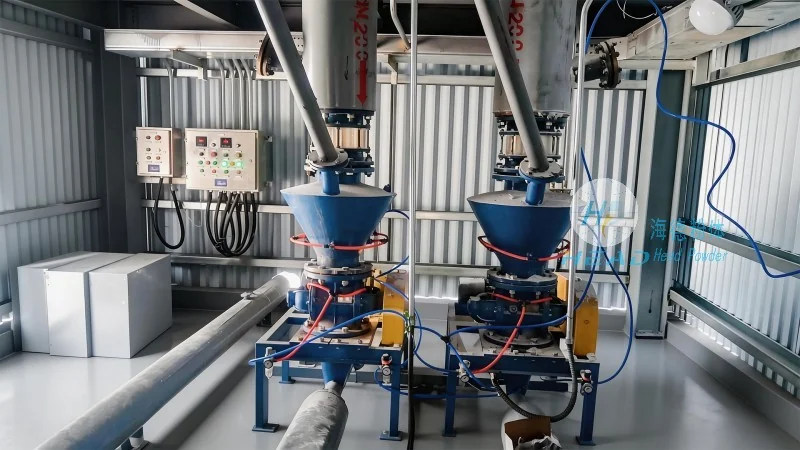
Types of Cotton Conveying Methods
Several methods are employed to transport cotton, each with distinct characteristics and applications. Traditional methods include mechanical conveyors such as belt conveyors and screw conveyors, which are effective for short-distance and bulk material handling. However, these systems may face challenges with dust control and material degradation, especially when dealing with fine cotton fibers.
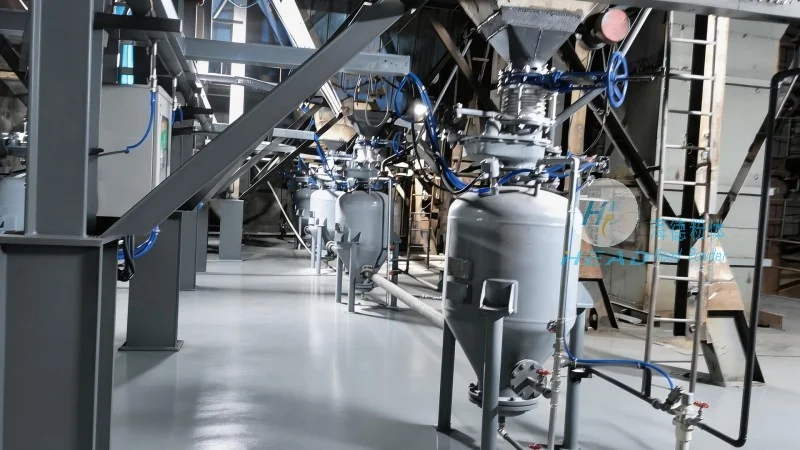
Pneumatic Conveying Systems for Cotton
Pneumatic conveying, or air-based transport, uses compressed air to move cotton through a pipeline. This method offers several advantages, including gentle handling of delicate fibers, minimal product degradation, and the ability to transport materials over long distances without the need for multiple transfer points. HeadPowder's pneumatic conveying systems are designed to optimize these benefits, ensuring reliable and efficient cotton movement.
Types of Pneumatic Conveying Systems
There are two primary types of pneumatic conveying systems: suction (or vacuum) and pressure systems. Suction systems draw cotton from a hopper or storage area using a vacuum pump, making them ideal for applications where the material source is elevated or requires gentle handling. Pressure systems, on the other hand, use a blower or compressor to push cotton through the pipeline, suitable for longer distances and higher material loads. HeadPowder offers both configurations, allowing customers to choose the system that best fits their operational requirements.
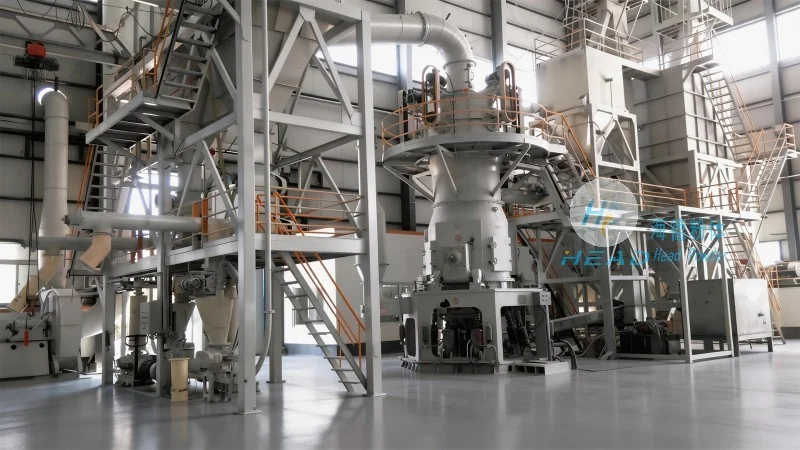
Key Components and Advantages of Pneumatic Conveying
HeadPowder's pneumatic conveying systems consist of several key components, including a hopper, airlock, conveyor line, and receiver. The hopper stores the cotton, while the airlock ensures a controlled flow of material into the pipeline. The conveyor line, typically made of stainless steel or other corrosion-resistant materials, transports the cotton using compressed air. This design minimizes material contact with surfaces, reducing the risk of contamination and maintaining the purity of the cotton.
One of the significant advantages of pneumatic conveying is its ability to handle a wide range of cotton types, from raw bales to processed fibers. The system's flexibility allows for integration with existing processing lines, making it a cost-effective solution for upgrading or expanding cotton handling capabilities. Additionally, pneumatic systems are energy-efficient compared to traditional mechanical conveyors, as they use less power while achieving higher throughput.
Applications in Cotton Processing
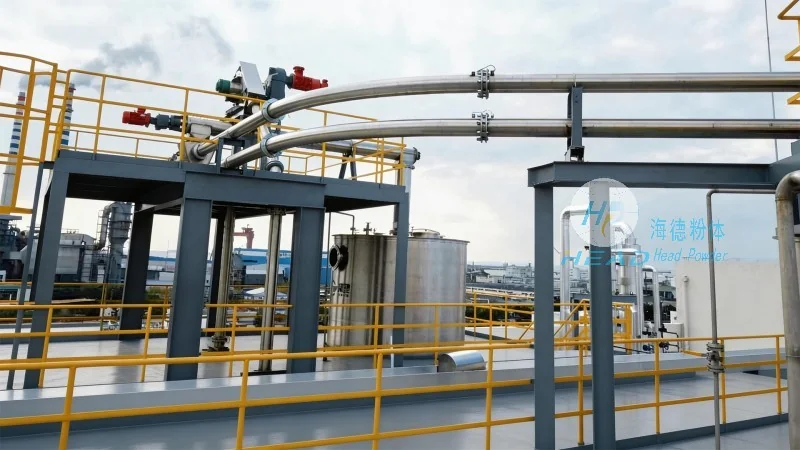
Pneumatic conveying is widely used in various stages of cotton processing, from raw material handling to fiber preparation. In raw material handling, the system efficiently transports cotton bales from storage to the opening and cleaning stages. During fiber preparation, it moves processed fibers to spinning machines, ensuring a continuous and smooth production flow. HeadPowder's systems are designed to meet the specific demands of each stage, providing reliable performance and consistent material quality.
Conclusion and Company Commitment
As the textile industry continues to evolve, the importance of efficient cotton conveying cannot be overstated. HeadPowder Engineering Co., Ltd., based in Shandong, China, remains committed to delivering innovative and reliable pneumatic conveying solutions. By leveraging advanced technology and customer-focused design, the company ensures that cotton processing facilities can achieve optimal performance, minimize downtime, and maintain the highest standards of product quality. For businesses seeking to enhance their cotton handling capabilities, HeadPowder offers a comprehensive range of systems tailored to meet diverse operational needs.

 Shandong Headpowder Engineering Co., Ltd.
 156-6277-7102(Quản lý Trương)
  0531-83386006
  Thành phố Tế Nam, Tỉnh Sơn Đông, Trung Quốc
Điện thoại
WeChatTư vấn
Lên đầu